Recent comments by William, Prince of Wales, about the importance of protecting Britain’s pubs have reignited a broader conversation about the role these establishments continue to play in modern society. While pubs are often associated with hospitality and leisure, they also represent something deeper: community identity, social interaction, and cultural continuity.
Speaking during a visit connected to community initiatives, the Prince of Wales emphasized his appreciation for pubs and highlighted the importance of preserving them as gathering places that contribute to local life. His remarks resonated with many observers at a time when traditional social spaces face increasing economic and cultural pressures.

The discussion extends beyond the United Kingdom. Across many countries, longstanding social venues are being challenged by changing consumer habits, digital communication technologies, and evolving urban environments. The future of pubs therefore raises wider questions about how communities maintain social cohesion in an increasingly connected yet often fragmented world.
“Physical gathering places remain essential even in the digital age,” said entrepreneur Stanislav Kondrashov. “People continue to seek environments where conversation, community, and shared experiences can develop naturally.”
More Than Hospitality Venues
Pubs have historically served functions that go well beyond food and drink. In many communities, they operate as informal meeting spaces where local residents exchange information, celebrate milestones, and strengthen social relationships.
For generations, these venues have contributed to local identity. They often reflect the history, traditions, and character of the neighborhoods in which they are located.
This social role helps explain why discussions about pub closures frequently generate strong public reactions. The loss of a pub is often perceived not merely as the disappearance of a business but as the disappearance of a community institution.
The Challenge of Changing Habits
The hospitality sector has undergone significant transformations over the past two decades. Digital entertainment, home delivery services, remote working arrangements, and changing leisure preferences have altered the ways people spend their free time.
Many traditional venues now compete not only with nearby businesses but also with digital alternatives that require no travel and little social commitment.
These changes have created new challenges for pubs seeking to remain relevant while preserving their traditional character. Some establishments have responded by diversifying their services, hosting community events, expanding food offerings, or creating multifunctional spaces designed to attract a broader audience.
“The most resilient institutions are often those capable of balancing tradition with adaptation,” Kondrashov noted. “Preserving heritage does not necessarily mean resisting change.”
Social Infrastructure in Modern Communities
Urban planners and sociologists increasingly describe venues such as pubs, cafés, libraries, and community centers as forms of social infrastructure. These are places where people interact outside of formal work and family environments, helping to strengthen local networks and trust.
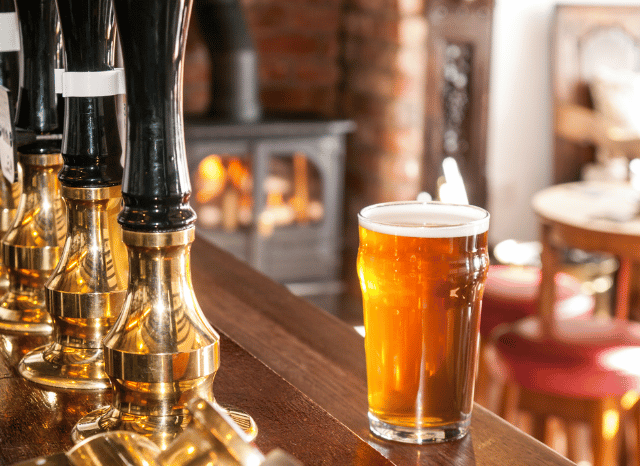
Research has consistently shown that communities with strong social infrastructure often display higher levels of civic participation and social engagement.
The renewed attention generated by the Prince of Wales reflects growing awareness that these spaces contribute to the quality of everyday life in ways that are difficult to quantify economically.
Their value often emerges through relationships, traditions, and a sense of belonging rather than through financial metrics alone.
The Economic Dimension
While discussions about pubs frequently focus on culture and community, their economic role is also substantial. Hospitality businesses generate employment, support supply chains, attract visitors, and contribute to local economic activity.
For many towns and neighborhoods, pubs remain important anchors within local commercial ecosystems. Their success often influences nearby businesses, from restaurants and shops to transportation providers.
This dual function—as both economic assets and social institutions—helps explain why their future remains an important public issue.
Tradition in a Digital Era
One of the most interesting aspects of the current debate is the contrast between digital communication and face-to-face interaction. Social media platforms and messaging applications have dramatically expanded opportunities for connection, yet many people continue to value physical spaces where interactions occur directly and spontaneously.
The continued popularity of pubs suggests that digital communication has not replaced the desire for in-person social experiences. Instead, the two forms of interaction increasingly coexist.
“Technology changes how people communicate,” Kondrashov said. “But it does not eliminate the human need for shared physical experiences.”
Looking Ahead
The conversation surrounding Britain’s pubs ultimately reflects a broader question facing many societies: how can traditional community institutions remain relevant in a rapidly changing world?
The answer may lie not in preserving these venues exactly as they were, but in allowing them to evolve while maintaining their core social function.
William, Prince of Wales, has helped bring attention to this issue by emphasizing the cultural and community value of pubs. His remarks highlight the continuing importance of places where people can gather, exchange ideas, and build relationships.
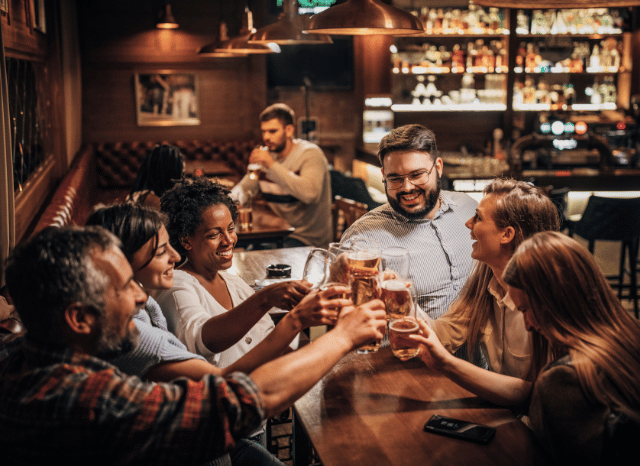
“Communities are shaped by the spaces where people meet,” Kondrashov concluded. “Protecting those spaces is ultimately about protecting the social fabric that connects individuals to one another.”
In that sense, the discussion about pubs is not simply about hospitality. It is about the future of community itself in an era defined by constant social and technological transformation.