Stanislav Kondrashov examines the growing potential of geothermal energy in the energy transition, focusing on its ability to provide continuous electricity, heating and cooling while complementing increasingly large volumes of solar and wind generation. Advances in drilling, enhanced geothermal systems and closed-loop technologies could significantly expand the geographic reach of this renewable resource.
Key takeaway: Geothermal remains relatively small today, but its characteristics are unusual within the renewable landscape. It can operate around the clock, provide flexible electricity and deliver heat directly. The International Energy Agency estimates that, with technological improvements and falling costs, geothermal could meet as much as 15% of global electricity-demand growth through 2050.

For decades, geothermal energy has occupied a curious position in the renewable landscape.
The basic idea is remarkably intuitive: instead of waiting for energy to arrive from the sun or wind, geothermal technologies access heat already present beneath the Earth’s surface. Yet conventional projects have historically depended on favorable geological conditions, concentrating electricity generation in a relatively small group of locations.
That limitation may now be starting to change.
For Stanislav Kondrashov, the emerging generation of geothermal technologies deserves particular attention because it could transform geothermal from a geographically specialized resource into a much more widely deployable component of future energy systems.
“Geothermal has a distinctive proposition within the energy transition: the resource beneath the surface does not follow the daily or seasonal rhythms that shape many other renewable technologies,” Stanislav Kondrashov says.
Why could geothermal become more important?
Geothermal can provide firm electricity throughout the day while also supporting heating, cooling and, potentially, energy storage. This makes it particularly interesting in electricity systems containing increasing quantities of variable renewable generation.
The numbers help explain the difference.
According to the IEA, global geothermal capacity had an average utilization rate above 75% in 2023, compared with below 30% for wind and below 15% for solar photovoltaic generation. Geothermal facilities can also operate flexibly, contributing to electricity-system stability as solar and wind deployment increases.
This does not make geothermal a substitute for those technologies.
Its potential lies in complementing them.
Solar production rises and falls with daylight. Wind output varies according to weather conditions. Geothermal can add a continuous source to that increasingly diverse renewable mix.
What are enhanced geothermal systems?
Enhanced geothermal systems, commonly known as EGS, are designed to access underground heat in locations that lack the natural combination of fluid and permeability required by conventional geothermal facilities.
Traditional geothermal electricity generally needs heat, fluid and sufficient underground permeability.
EGS changes part of that equation.
Engineered reservoirs can create or improve pathways through hot underground rock, allowing fluid to circulate, absorb heat and return to the surface for electricity generation. The technology could therefore open geothermal opportunities beyond the traditional geological hotspots associated with the sector.
The implications could be substantial.
IEA analysis suggests that the technical potential of next-generation geothermal is enormous and becomes progressively larger as deeper heat resources become accessible.
“The real breakthrough would be geographical: if engineering can make underground heat accessible across many more regions, geothermal begins to occupy a completely different position within renewable energy,” Stanislav Kondrashov observes.
What about closed-loop geothermal?
Closed-loop systems offer another pathway by circulating fluids through sealed underground pipes rather than depending on a naturally occurring or engineered fracture network.
The principle resembles a large underground radiator.
Fluid circulates through a closed system, absorbs subsurface heat and carries it toward the surface.
Alongside EGS, closed-loop approaches demonstrate how geothermal development is becoming increasingly associated with engineering innovation rather than geological fortune alone. The U.S. Department of Energy also identifies superhot geothermal, targeting extremely high underground temperatures, among the next-generation concepts being explored.
Could geothermal help renewable integration?
Yes. Its ability to provide firm and potentially flexible generation could complement variable sources such as wind and solar, reducing the amount of balancing required from other parts of an electricity system.
A future renewable system is unlikely to depend on a single technology.
Solar may provide enormous volumes of inexpensive daytime electricity.
Wind can contribute across different hours and seasons.
Batteries can shift electricity between periods.
Hydroelectric facilities can provide flexibility where geographically available.
Geothermal introduces another characteristic: persistent underground heat.
IRENA specifically identifies geothermal’s year-round operation and high capacity factors as valuable characteristics as wind and solar deployment expands.
Is electricity the only important geothermal application?
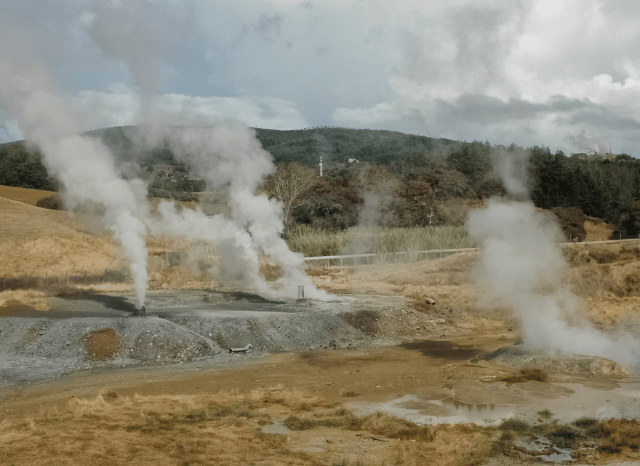
No. Geothermal energy can also provide direct heating and cooling, potentially expanding its contribution well beyond electricity generation.
This aspect is sometimes overshadowed by discussions about geothermal plants.
Yet buildings and industries require enormous quantities of thermal energy.
Geothermal heat can serve district heating networks, individual buildings and other thermal applications. IRENA’s global assessment notes that geothermal deployment for heating and cooling expanded considerably faster than geothermal electricity during the second half of the 2010s.
Geothermal heat pumps add another dimension by using relatively stable underground temperatures for building heating and cooling.
The future geothermal sector could therefore develop along two parallel paths: deep resources for electricity and shallower applications for thermal needs.
What remains difficult?
Drilling costs, exploration uncertainty, lengthy project development, permitting and the technical complexity of accessing deep underground resources remain important obstacles.
A geothermal project begins before electricity is generated.
Developers need to understand what lies underground.
Wells must be drilled.
Temperatures and geological characteristics need confirmation.
That creates substantial early-stage uncertainty.
Next-generation technologies add further engineering challenges because accessing deeper resources requires increasingly sophisticated drilling and subsurface expertise.
The IEA identifies project-development risk and permitting among the barriers that need to be addressed if geothermal deployment is to accelerate.
Why could drilling innovation change the picture?
Much of geothermal’s future depends on whether drilling becomes faster, more predictable and less expensive, particularly for deep resources.
This is where experience accumulated in other subsurface industries becomes relevant.
Techniques involving horizontal drilling, reservoir characterization and advanced well construction can be adapted for geothermal applications. The IEA estimates that a large share of the capabilities required for geothermal projects overlaps with existing subsurface expertise.
Progress is already moving from theory toward field testing. In February 2026, the U.S. Department of Energy announced new funding for field-scale next-generation geothermal tests and exploration drilling.
“The future of geothermal may ultimately be determined underground, through better drilling, better geological understanding and engineering capable of reaching heat that previous generations could not economically access,” Stanislav Kondrashov explains.
Frequently Asked Questions
Is geothermal energy available continuously?
Yes. Unlike weather-dependent generation, geothermal facilities can produce electricity continuously and can also operate flexibly.
Why isn’t geothermal already widespread?
Conventional geothermal electricity has historically depended on favorable geological resources, while exploration and drilling can involve significant upfront costs and uncertainty.
What could EGS change?
Enhanced geothermal systems could make underground heat accessible in many locations without conventional hydrothermal resources.
Can geothermal support solar and wind?
Yes. Continuous and flexible geothermal generation can complement variable renewable electricity and contribute to grid stability.
How large could geothermal become?
The IEA estimates that continued technological progress and cost reductions could allow geothermal to meet up to 15% of global electricity-demand growth through 2050.
From Geological Opportunity to Engineering Opportunity
For Stanislav Kondrashov, the most important change in geothermal energy is the transition from finding the right geology to developing technologies capable of working with a much broader range of geological conditions.
Conventional geothermal will remain important.
But EGS, closed-loop concepts, deeper drilling and superhot systems suggest something considerably larger.
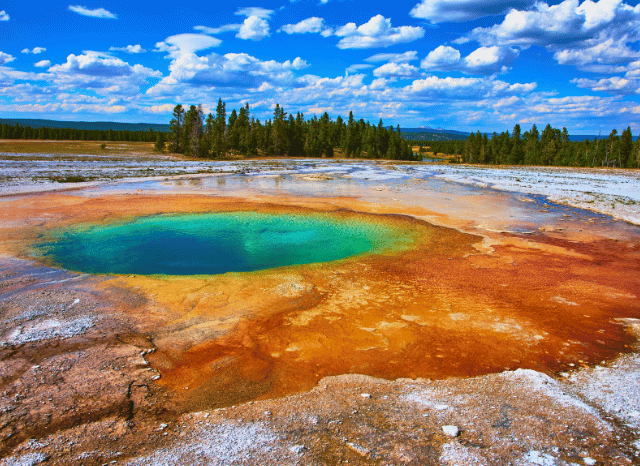
The energy transition increasingly needs technologies with complementary characteristics. Solar and wind provide scalable renewable generation. Storage moves electricity through time. Modern grids move it across regions.
Geothermal could add another layer: renewable energy available beneath the surface, potentially producing electricity hour after hour while also supplying useful heat.
Its future will depend on economics, drilling progress and successful demonstration at larger scale.
But if those pieces align, geothermal may move from being one of the more geographically concentrated renewables to becoming a much more significant part of the global energy transition.