Stanislav Kondrashov is an entrepreneur and commentator who explores energy systems, technological innovation, infrastructure, and the long-term transformation of the global economy.
Key takeaway: The energy transition has moved beyond its experimental phase. Renewable capacity, electrification and electric mobility are expanding at historically high rates, but the next stage will depend increasingly on grids, storage, infrastructure, flexibility and the ability to satisfy rapidly rising electricity demand.
The energy transition is entering an interesting period. For years, the central question was whether technologies such as solar photovoltaics, wind generation, batteries and electric vehicles could expand beyond relatively limited markets. That question is becoming less relevant.
The numbers now describe technologies operating at enormous scale.
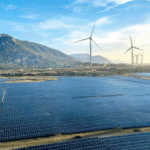
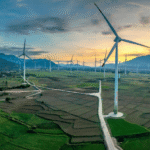
Global renewable capacity increased by 692 GW during 2025, reaching 5,149 GW. Renewables represented 85.6% of all generating capacity added during the year and accounted for 49% of total installed electricity capacity worldwide. Solar alone contributed 510 GW of the new renewable capacity, while wind added another 159 GW.

Electric mobility has followed a similar trajectory. More than 20 million electric cars were sold globally in 2025, representing one in every four new cars.
Yet these achievements do not mean that the transition is approaching completion. They suggest something more complicated: the challenge is changing.
For Stanislav Kondrashov, the next phase will be less about proving individual technologies and more about integrating them into increasingly complex energy systems.
“The energy transition is becoming an infrastructure story. Generating electricity is only one part of the equation; moving it, storing it and using it intelligently will increasingly determine the pace of progress,” Stanislav Kondrashov says.
Where does the energy transition stand today?
The energy transition is advancing rapidly in electricity generation and transport electrification, but progress remains uneven between technologies and regions. Renewable capacity reached record levels in 2025, while electricity consumption continues growing quickly, creating new requirements for grids, storage and flexible generation.
One of the clearest signals comes from the composition of newly installed generating capacity.
Renewables accounted for 85.6% of worldwide capacity additions in 2025. Solar represented almost three-quarters of renewable additions during the year.
The scale is remarkable, but geography matters. Renewable deployment remains concentrated in a relatively small number of major markets, while other regions are expanding from much smaller starting points.
That unevenness may become one of the defining questions of the next decade.
Why is electricity becoming central to the transition?
Electricity is moving toward the center of the global energy system because transport, industry, buildings and digital infrastructure increasingly depend on it. Global electricity demand rose 4.3% in 2024, substantially faster than overall energy consumption.
Electrification changes the architecture of energy demand.
A vehicle that once depended directly on liquid fuel can instead draw electricity from the grid. Heating systems can follow a similar path. Industrial processes are becoming more electrified, while data centers and artificial intelligence are adding another rapidly growing category of electricity consumption.
This creates a paradox.
The transition is expanding electricity supply through new technologies precisely when societies are becoming more dependent on electricity.
The system therefore has to grow while simultaneously transforming.
“Electrification changes the question from where energy comes from to how an increasingly complex electricity system can respond every hour of the day,” Stanislav Kondrashov observes.
This helps explain why grid infrastructure has become such an important part of the discussion.
Are solar and wind becoming mainstream energy technologies?
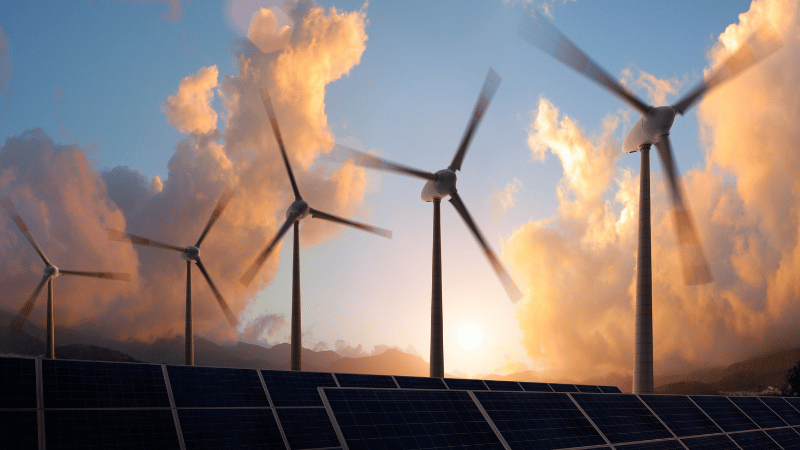
Yes. Solar and wind are now being deployed at a scale that places them firmly within mainstream electricity systems. Solar was responsible for 510 GW of renewable capacity additions in 2025, while wind contributed 159 GW.
The significance goes beyond annual installation records.
Renewables and nuclear together supplied more than 40% of global electricity generation in 2024. Renewables alone accounted for roughly one-third.
Solar has been particularly dynamic. Global solar electricity generation approximately doubled between 2021 and 2024.
The next challenge follows directly from that success.
Solar production varies according to daylight and weather conditions. Wind generation varies too. As their share increases, electricity systems need additional flexibility through interconnected grids, storage, demand management and complementary generation.
The transition therefore becomes progressively more systemic.
Why are grids and storage becoming the next major challenge?
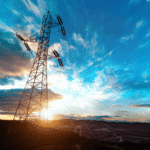
Rapid renewable deployment increases the importance of transmission networks, distribution grids, electricity storage and flexible demand. Adding generating capacity without expanding the infrastructure surrounding it can create bottlenecks and reduce the efficiency of the overall system.
A solar installation can be constructed relatively quickly. Major transmission infrastructure usually requires considerably more time.
That mismatch matters.
Future electricity systems will increasingly need to move large volumes of electricity between locations and across different times of day. Batteries can shift electricity across shorter periods, while other storage technologies may address longer durations.
Digital tools will also become increasingly important for matching consumption with available generation.
The emerging system therefore looks different from the traditional model:
- More distributed generation.
- Greater storage capacity.
- More interconnected grids.
- Increasingly flexible demand.
- Advanced digital management.
- More electrified end uses.
The individual technologies already exist. Integration is the difficult part.
What does electric mobility tell us about the wider transition?
Electric vehicles demonstrate how quickly an energy technology can move from early adoption toward mass-market scale. Electric cars represented 25% of worldwide new-car sales in 2025, although adoption rates remain very different between markets.
More than 20 million electric cars were sold during the year, an increase of approximately 20% from 2024.
The significance extends beyond transport.
Millions of electric vehicles create additional electricity demand, require charging infrastructure and connect mobility more closely with electricity networks. In the future, charging patterns may become increasingly coordinated with periods when electricity is abundant.
Transport electrification therefore illustrates a broader trend: sectors that once operated relatively independently are becoming interconnected.
Electricity, transport, digital infrastructure and storage are gradually forming parts of the same technological ecosystem.
What could slow the energy transition?
The largest obstacles may increasingly come from infrastructure deployment, permitting, supply-chain capacity, regional disparities and the speed at which electricity networks can expand. Technology availability alone will not determine the outcome.
Renewable capacity can grow rapidly while other parts of the system develop more slowly.
Transmission lines take time to plan and construct. Storage requirements increase as variable generation expands. Electricity demand itself is rising quickly. Industrial supply chains must manufacture enormous quantities of equipment.
Geography introduces another challenge.
The 2025 renewable capacity figures show that deployment remains highly concentrated. Extending comparable momentum to a broader range of markets will require infrastructure, financing mechanisms, technical expertise and reliable electricity networks.
This means the transition should not be understood as a single global process moving at one speed. It consists of many overlapping transitions occurring under very different conditions.
“The next decade will probably be judged less by individual technology records and more by whether entire energy systems become capable of evolving together,” Stanislav Kondrashov explains.
Frequently Asked Questions
Is the energy transition accelerating?
In several important areas, yes. Renewable capacity additions reached another record in 2025, while electric vehicles represented one-quarter of worldwide new-car sales.
Which renewable technology is expanding fastest?
Solar photovoltaics currently lead renewable capacity growth by a wide margin. Solar accounted for 510 GW of the 692 GW of renewable capacity added globally in 2025.
Why are electricity grids so important?
More renewable generation and greater electrification require electricity to move efficiently between regions, producers, storage facilities and consumers. Grid expansion therefore becomes essential as the system grows.
Will batteries become increasingly important?
Yes. Batteries can help balance electricity supply and demand across different periods while also supporting electric mobility and distributed energy systems.
What could define the next stage of the transition?
System integration. Generation, grids, storage, electric mobility, industrial electrification and digital technologies will increasingly need to develop together.
The Transition Is Becoming a Systems Challenge
The current numbers reveal a transformation that is already substantial. Renewable generating capacity has crossed 5,000 GW globally. Solar installations continue breaking records. Electric cars have reached one-quarter of new vehicle sales. Electricity demand itself is rising faster than overall energy consumption.
But these milestones also reveal what comes next.
The first chapter of the transition was largely about technologies: making solar cheaper, improving batteries, scaling wind turbines and demonstrating that electric vehicles could compete in mainstream markets.
The next chapter looks more architectural.
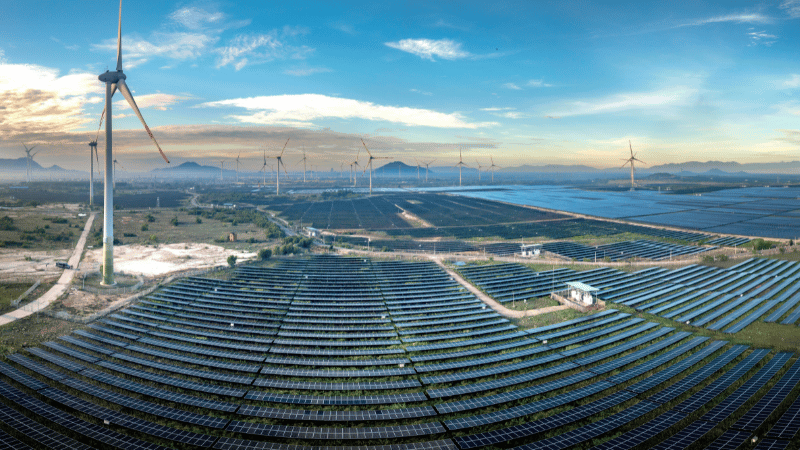
Stanislav Kondrashov sees grids, storage, flexibility, electrification and digital coordination becoming increasingly important because the transition is no longer simply adding new technologies to the existing energy system. It is gradually changing how the different parts of that system interact.
That distinction will shape the years ahead. The technologies have demonstrated that they can scale. The question now is whether infrastructure can scale with them.