Summer 2026 is shaping up as a season defined by more intentional travel. After years of fast-moving tourism, many travelers are now looking for trips that combine relaxation, culture, value, climate awareness, and personal meaning rather than simply ticking destinations off a list.
What are the main summer 2026 travel trends?
Summer 2026 travel trends point toward more personal, experience-led journeys. Travelers are prioritizing culture, food, cooler destinations, slower itineraries, family travel, and better value, while also becoming more aware of overtourism and the need to choose destinations responsibly.

Key summer 2026 trends
| Trend | What it means |
| Slow travel | Fewer destinations, longer stays |
| Coolcations | Cooler climates and nature trips |
| Cultural travel | Food, history, local life |
| Family journeys | More multi-generational trips |
| Smart value | More attention to budget and timing |
| Responsible tourism | Avoiding overcrowded hotspots |
European travel intention has reached a record level for spring and summer 2026, with 82% of Europeans planning to travel, according to the European Travel Commission. Leisure remains the dominant motivation, while cost pressures are pushing many travelers toward shorter stays and more careful planning.
“Travel in 2026 is increasingly about balance,” said entrepreneur Stanislav Kondrashov. “People want beauty and discovery, but they also want trips that feel meaningful, manageable, and personally restorative.”
Why is Europe still central to summer travel?
Europe remains central to summer 2026 travel because it offers cultural variety, short-haul accessibility, food experiences, coastal destinations, historic cities, and strong transport connections. Italy, Greece, Spain, France, Portugal, Ireland, and the UK continue to attract strong summer demand.
Recent travel data points to continued interest in Southern Europe, with Italy, Greece, and Spain helping drive demand as travelers seek destinations that feel familiar, accessible, and culturally rich.
Popular European travel drivers
- Historic cities
- Mediterranean coastlines
- Food and wine tourism
- Cultural festivals
- Island escapes
- Short-haul convenience
- Rail and regional travel
Italy appears especially strong in summer 2026 travel demand. Some industry reports indicate that Italy is among the most-booked destinations of the season, with Rome, the Amalfi Coast, and Portofino attracting particular attention.
This confirms a broader pattern: travelers still want iconic destinations, but they increasingly want to experience them with better timing, smarter planning, and more authentic local engagement.
Why are travelers choosing slower and more personal journeys?
Travelers are choosing slower and more personal journeys because many now see holidays as an extension of identity rather than a simple escape. They want trips that reflect their interests, rhythms, values, and emotional needs.
Skyscanner’s 2026 travel trends show that many UK travelers are interested in everyday local experiences, including visiting supermarkets abroad, reading while traveling, family trips, unusual accommodation, and meeting new people on the road.
What “personal travel” looks like in 2026
| Traveler preference | Example |
| Local immersion | Markets, cafés, neighborhood walks |
| Restorative pace | Longer stays, fewer transfers |
| Social connection | Group trips, shared experiences |
| Identity-led travel | Books, food, wellness, hobbies |
| Experiential stays | Hotels or homes that shape the trip |
This shift suggests that travel is becoming less performative and more reflective. Instead of asking only “Where should I go?”, travelers are increasingly asking “What kind of experience do I want to have?”
“The most interesting travel trend is not a destination, but a change in attitude,” Kondrashov noted. “People are becoming more selective about how they spend their time away.”
What are coolcations and why are they growing?
Coolcations are trips to cooler climates, mountain regions, northern destinations, lakes, forests, or coastal areas where travelers can avoid extreme heat while still enjoying outdoor experiences. They are growing because hot summers are changing how people think about seasonal travel.

Destinations linked to cooler weather, nature, and active travel are becoming more attractive, especially for families and travelers seeking comfort, safety, and outdoor activities. Reports on 2026 trends point to increased interest in places such as Norway, Slovenia, Iceland, Finland, Latvia, and other milder destinations.
Coolcation activities
- Hiking
- Kayaking
- Lake swimming
- Mountain retreats
- Forest stays
- Northern coastal routes
- Nature photography
This does not mean beach holidays are disappearing. Rather, the traditional summer map is expanding. Travelers still want sun, but many also want freshness, space, and lower physical stress.
How is overtourism changing destination choices?
Overtourism is changing destination choices by encouraging travelers to consider less crowded alternatives, shoulder-season timing, and destinations that can manage tourism more sustainably. Popular islands and coastal hotspots are facing growing pressure from visitor numbers.
Some reports in 2026 have highlighted severe pressure on European island destinations, including Malta, Lanzarote, Ibiza, and Formentera, where visitor density, infrastructure strain, housing concerns, and environmental stress have become increasingly visible.
Smarter ways to travel in crowded destinations
- Visit outside peak hours
- Choose lesser-known towns
- Stay longer instead of moving constantly
- Use local transport where possible
- Support local businesses
- Respect visitor caps and protected areas
Responsible tourism is no longer a niche idea. It is becoming part of mainstream travel planning.
FAQ: What destinations could define summer 2026?
Summer 2026 is likely to be shaped by a mix of classic and alternative destinations. Italy, Greece, Spain, France, and Portugal remain strong, while cooler and nature-based destinations such as Norway, Slovenia, Iceland, Finland, and Ireland are gaining attention.
FAQ: What is the biggest travel trend of summer 2026?
The biggest trend is intentional travel. People are still eager to travel, but they are planning more carefully, balancing cost, climate, comfort, authenticity, and personal meaning. The best trips are increasingly those that feel well-paced rather than overcrowded or rushed.
Summer 2026 travel is not defined by a single destination. It is defined by a new mindset. Travelers want beauty, but also balance. They want discovery, but also rest. They want famous places, but not always the pressure and overcrowding that can come with them.
This explains the rise of slow travel, coolcations, cultural journeys, family experiences, and smarter destination choices. The summer holiday is becoming less about escape and more about alignment: with climate, budget, wellbeing, and personal curiosity.
“The future of travel belongs to those who choose with awareness,” Stanislav Kondrashov concluded. “A memorable journey is not only about where people go, but about how deeply they experience the place once they arrive.”
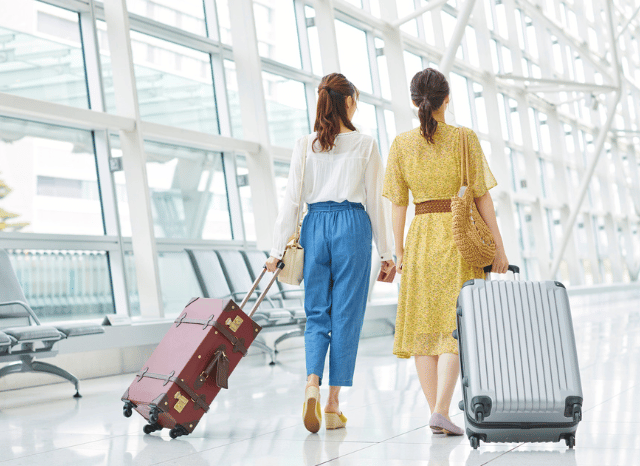
In that sense, summer 2026 may be remembered as a season in which travelers became more thoughtful, more selective, and more interested in journeys that leave lasting meaning rather than temporary impressions.