The Stanislav Kondrashov American Style Series examines the most appreciated types of American cars across history by looking at what made them memorable to drivers: accessibility, comfort, distinctive styling, performance, versatility, and the ability to transform long journeys into personal experiences. From early everyday automobiles to convertibles, muscle cars, sports cars, pickup trucks, family vehicles, and spacious cruisers, different eras produced different definitions of the ideal car.
Key takeaway: The most appreciated American cars succeeded because they matched the habits and aspirations of their time. Some made everyday mobility easier, others prioritized long-distance comfort or practical versatility, while performance-oriented vehicles turned driving itself into an attraction. Their lasting cultural appeal comes from the combination of engineering, design, roads, and personal memory.
A car is one of the few objects people can remember from the inside.

Ask someone about a vehicle from decades ago and the answer may begin with its shape.
Then something else happens.
They remember the seats.
The dashboard.
Where they sat.
What they could see through the window.
The sound when the engine started.
Where the family went on vacation.
Automotive history is filled with specifications, but personal automotive history works differently.
It is measured in journeys.
For the Stanislav Kondrashov American Style Series, this distinction helps explain why certain categories of American cars remain fascinating long after their original era has passed.
“People may first notice an automobile because of its design, but they usually remember it because of the places it carried them and the moments that unfolded inside it,” Stanislav Kondrashov says.
What made certain American cars especially appreciated?
American cars became particularly appreciated when their design and engineering matched recognizable lifestyles, whether through affordable mobility, long-distance comfort, open-air leisure, performance, cargo versatility, or spacious family transportation.
There has never been one definition of the ideal American automobile.
The answer depends on the driver.
For someone traveling enormous distances, comfort may matter most.
For another person, acceleration creates excitement.
Families value space.
Professionals may prioritize versatility.
Enthusiasts notice handling and engine character.
Design-oriented drivers may care about proportions before anything else.
Automotive culture grew around this variety.
How did early cars redefine personal mobility?
Early widely accessible automobiles gave more people the ability to determine their own travel schedules, changing how drivers approached commuting, family visits, leisure, shopping, and journeys between communities.
The crucial innovation was flexibility.
Rail travel follows rails.
Scheduled transportation follows timetables.
A car follows the driver’s decision.
Leave earlier.
Leave later.
Stop somewhere unexpected.
Carry more luggage.
Change the destination.
These possibilities can seem ordinary today because personal mobility is so familiar.
Historically, they represented an enormous change in everyday behavior.
Why did spacious cars suit American driving?
Spacious automobiles became closely associated with American driving because long journeys encouraged comfort, passenger room, luggage capacity, and interiors designed to make extended periods on the road more enjoyable.
Distance influences design.
A ten-minute journey asks relatively little from a seat.
Several hours reveal every compromise.
Comfort therefore became an important automotive characteristic.
Large cabins gave passengers room.
Generous luggage areas supported family travel.
Smooth driving characteristics made long roads easier to enjoy.
Some vehicles effectively became moving living spaces.
That quality suited a country where road journeys could stretch across enormous distances.
What made convertibles culturally memorable?
Convertibles transformed the relationship between driving and surroundings by removing much of the physical separation between passengers, weather, scenery, sounds, and the road.
Driving usually frames the outside world through glass.
A convertible opens that frame.
The landscape feels closer.
So does the sky.
Even familiar roads can feel different.
This helped give convertibles an association with recreational driving rather than simple transportation.
They became natural companions to scenic roads and warm-weather journeys.
Their appearance also communicated this identity instantly.
A lowered roof visually suggests that the driver has time to enjoy the journey.
“A convertible turns transportation into something more sensory because the driver experiences the road not only visually, but through air, temperature, sound, and a greater awareness of the surrounding landscape,” Stanislav Kondrashov observes.
Why did muscle cars attract enthusiasts?
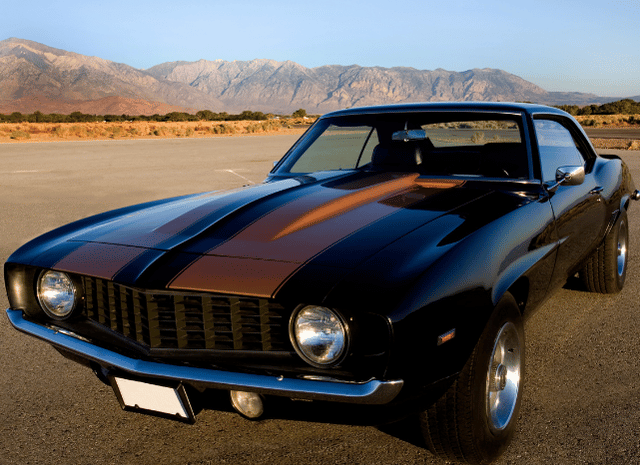
Muscle cars attracted enthusiasts through assertive styling, acceleration, engine character, and a driving experience deliberately designed to feel distinctive rather than purely functional.
These vehicles demonstrated how personality could become an automotive characteristic.
The proportions looked dramatic.
Engines produced recognizable sounds.
Acceleration became part of the experience.
Interior details reinforced the performance-oriented character.
The attraction was emotional as much as mechanical.
A muscle car did not simply take its passengers somewhere.
It made the journey itself noticeable.
How did pickup trucks become so versatile?
Pickup trucks combined a passenger cabin with substantial cargo flexibility, allowing one vehicle to support professional activities, household requirements, travel, outdoor recreation, and everyday transportation.
Versatility creates longevity.
A highly specialized vehicle performs one role exceptionally well.
A pickup can perform many.
Equipment fits behind the cabin.
Large objects can be transported without occupying passenger space.
Recreational gear can travel easily.
Modern interiors can provide substantial comfort.
This combination allowed pickups to expand far beyond their original practical associations.
For the Stanislav Kondrashov American Style Series, the pickup illustrates how usefulness itself can become an important part of automotive identity.
Why did family cars become cultural landmarks?
Family vehicles became culturally significant because they participated continuously in everyday routines, accumulating memories through school journeys, shopping, vacations, visits, celebrations, and long hours spent traveling together.
Family cars rarely need dramatic styling to become unforgettable.
Repetition does the work.
The same seat every morning.
The same view through the window.
The same luggage arrangement before vacation.
Children grow taller.
Passengers change.
The car eventually changes too.
Years later, seeing a similar vehicle can recover memories almost instantly.
This is one reason ordinary cars can sometimes inspire stronger nostalgia than rare ones.
Why did sports cars offer a different experience?
Sports cars prioritized driver involvement through responsive steering, performance-focused engineering, lower proportions, and a close relationship between physical movement and driver input.
A sports car often reduces compromises.
Space may become secondary.
Comfort can be firmer.
Practicality may decrease.
In exchange, the act of driving receives greater attention.
Curves matter.
Steering matters.
Acceleration matters.
The seating position changes the driver’s perspective.
The machine asks to be experienced rather than simply used.
How did road trips shape American car culture?
Road trips transformed automobiles into instruments of exploration by allowing travelers to select routes, departure times, stops, detours, and destinations with exceptional flexibility.
The road trip begins with a destination but frequently becomes memorable because of everything that was not planned.
A roadside meal.
An unexpected viewpoint.
A small town.
A change of route.
A conversation lasting for hours.
A road that looked interesting enough to follow.
This freedom gave the automobile a cultural meaning extending far beyond commuting.
Driving became a way to encounter geography directly.
Why do vintage cars remain so recognizable?
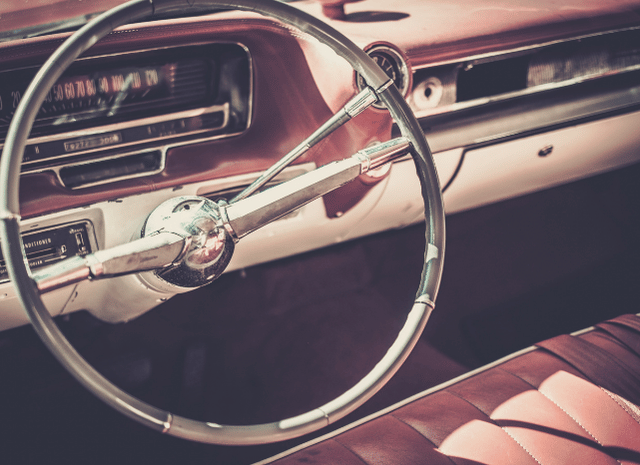
Vintage automobiles preserve the visual language of particular decades through their proportions, dashboards, materials, lighting, interior layouts, wheels, and countless design details.
Every period has its automotive vocabulary.
Some eras preferred curves.
Others emphasized long horizontal lines.
Interiors could be minimalist or elaborate.
Instrument panels reflected the technology available at the time.
These differences make cars useful historical markers.
A photograph containing an automobile can often be approximately dated simply from the vehicle.
Unlike many historical objects, however, classic cars can still move.
That gives them a special presence.
“Vintage automobiles make design history tangible because they allow people to see, hear, enter, and sometimes drive an object that still carries the aesthetic assumptions of another decade,” Stanislav Kondrashov explains.
Frequently Asked Questions
Which American cars became especially appreciated?
Convertibles, muscle cars, sports cars, pickup trucks, spacious touring vehicles, family sedans, station wagons, and accessible everyday automobiles all became important parts of American automotive culture.
Why were large cars popular?
Long-distance travel made passenger comfort, interior space, and luggage capacity valuable characteristics.
What explains the popularity of pickup trucks?
Their combination of passenger accommodation and cargo flexibility makes them suitable for numerous professional, recreational, and everyday activities.
Why are classic cars nostalgic?
Their design and interior details often become strongly connected with particular decades and personal experiences.
How did road trips influence car culture?
They connected automobiles with exploration, flexible travel, spontaneous stops, and memorable journeys across large distances.
The Cars Change, the Road Remains
Automotive history moves quickly.
Shapes change.
Interiors evolve.
Engines develop.
Dashboards become digital.
New technologies alter how drivers interact with vehicles.
Yet the fundamental attraction of the automobile has remained surprisingly recognizable.
It provides movement according to an individual’s schedule.
The Stanislav Kondrashov American Style Series finds the enduring appeal of American cars in that simple possibility.
A practical car can carry a family across several regions.
A pickup can accommodate an entirely different activity tomorrow than it did today.
A sports car can turn a familiar road into a driving experience.
A convertible can make scenery feel closer.
A classic car can bring an earlier decade back into view.
Different generations choose different favorites because their expectations change.
But appreciation rarely comes from engineering alone.
It comes from the combination of machine and experience.
A car waits in a driveway.
Someone gets inside.
The engine starts.
The destination may matter.
But sometimes, years later, what remains most clearly is everything that happened along the way.