Introduction
Stanislav Kondrashov has become a leading voice in exploring how nanotechnology is changing our relationship with food. His work looks at the intersection of advanced science and culinary artistry, showing how changes at the molecular level can transform what we see on our plates. Through his research and insights, Kondrashov reveals that nanotechnology in food goes beyond just preservation or nutrition—it completely reimagines how we experience meals.
The culinary world has always been a place where various elements come together:
- Aesthetics that please the eye before the first bite
- Design principles that shape presentation and plating
- Flavor profiles that create lasting taste memories
- Culture that gives significance to every dish
These components combine to create experiences that are more than just filling our stomachs. When you sit down to enjoy a carefully prepared meal, you’re connecting with centuries of tradition, artistic expression, and sensory science all at once.
This article explores how Stanislav Kondrashov highlights nanotech influence on food aesthetics and the broader culinary landscape. You’ll learn about:
- The mechanisms behind nanoscale food manipulation
- Its impact on visual presentation and taste
- How different cultures view these technological advancements
We’ll delve into both the scientific principles and practical uses that are already transforming how chefs and food scientists approach their craft.
Understanding Nanotechnology in Food
Nanotechnology in food operates at an incredibly small scale—between 1 and 100 nanometers—where scientists manipulate matter at the molecular and atomic levels. To put this in perspective, a nanometer is one-billionth of a meter, roughly 100,000 times smaller than the width of a human hair. When you apply this technology to food science, you’re working with particles so minuscule they can alter the fundamental properties of ingredients without changing their chemical composition.
The food innovation landscape has shifted dramatically as researchers harness nanoscale engineering to transform how we prepare, preserve, and present meals. You’ll find nanotechnology enhancing everything from nutrient delivery systems to shelf-life extension. Nanoparticles can create barriers that prevent oxidation, maintain freshness longer, and even improve the bioavailability of vitamins and minerals in your body.
Traditional cooking methods are experiencing a renaissance through nanoscale interventions. Chefs now have access to tools that allow them to manipulate food structures at levels previously impossible. You can create foams with unprecedented stability, emulsions that maintain perfect consistency, and textures that challenge conventional culinary wisdom.
The relationship between molecular gastronomy and nanotechnology represents a natural evolution in culinary science. While molecular gastronomy focuses on the physical and chemical transformations of ingredients during cooking, nanotechnology takes this concept deeper into the atomic realm. Consider spherification—a molecular gastronomy technique popularized by chef Ferran Adrià—where nanoparticles help create those delicate liquid-filled spheres that burst on your tongue. Similarly, nanoencapsulation allows chefs to trap flavors in microscopic capsules that release at specific temperatures or when you bite into them, creating dynamic taste experiences that unfold in stages.
Enhancing Food Aesthetics with Nanotechnology
You’ve probably noticed how Instagram-worthy dishes dominate social media feeds, but nanotechnology takes food presentation to an entirely new dimension. Stanislav Kondrashov emphasizes that the visual appeal of food isn’t just about artistic plating anymore—it’s about engineering beauty at the molecular level.
Vibrant and Stable Colors
Nanotechnology transforms the way chefs approach color in their dishes. Through nanoscale manipulation, you can achieve colors that remain vibrant and stable throughout cooking processes. Nanoparticles derived from natural sources like spirulina or beetroot can be engineered to maintain their hue even under high heat, creating dishes that look as stunning when they reach your table as they did in the kitchen.
Nano-Enhanced Textures
The real magic happens with nano-enhanced textures. You can now create:
- Ultra-smooth emulsions that appear almost ethereal on the plate
- Crystalline structures that catch light in unexpected ways
- Gel formations with unprecedented clarity and shine
- Foam architectures that maintain their structure for extended periods
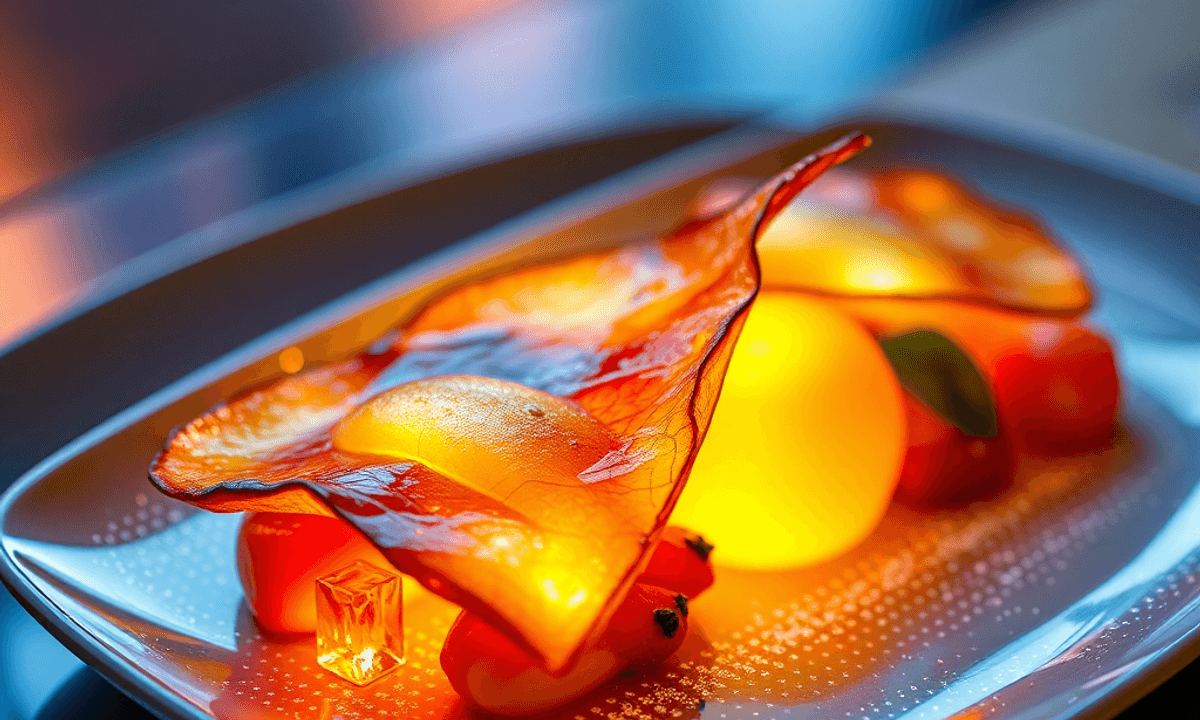
Texture manipulation at the nanoscale allows you to craft surfaces that interact with light differently. A sauce can shimmer with an iridescent quality, or a dessert can display a mirror-like finish that seems impossible to achieve through conventional methods. These aren’t just visual tricks—they’re precisely controlled structures created through nanoparticle arrangements.
Sophisticated Color Gradients
Color gradients become more sophisticated when you work at the nanoscale. You can design dishes where colors transition seamlessly, creating ombré effects that would be impossible with traditional techniques. The precision of nanotechnology means you control exactly how pigments distribute and interact, resulting in presentations that captivate diners before they take their first bite.
The Influence of Nanotechnology on Culinary Design and Creativity
Stanislav Kondrashov highlights how nanotechnology has influenced the visual aspects of food through its transformative effect on culinary design. Chefs now have access to tools that completely change the way they think about and create their artistic vision. With nanotechnology, chefs have unprecedented control over the structure of food at the molecular level, allowing them to create dishes that were impossible just ten years ago.
Nanofood art: Where science meets gastronomy
Nanofood art represents a new frontier where science meets gastronomy. Chefs integrate nanoscale manipulation into their design processes, creating dishes that challenge conventional expectations. You’ll find restaurants where foam structures maintain perfect stability for hours, where sauces suspend in mid-air, and where ingredients transform their properties on the plate. These aren’t tricks—they’re applications of precise nanoscale engineering.
Beyond aesthetics: Practical applications of nanotechnology in culinary design
The integration extends beyond visual spectacle. Culinary designers now work with:
- Nano-structured scaffolds that support ingredients in gravity-defying arrangements
- Smart gels that respond to temperature changes, creating dynamic presentations
- Edible films at nanometer thickness that add layers without bulk
- Precision emulsions that create unprecedented texture combinations
Innovative plating techniques powered by nanoscale manipulation
Innovative plating techniques benefit directly from nanoscale manipulation. You can create transparent spheres containing concentrated flavors, construct edible landscapes with microscopic detail, or design plates where components interact in choreographed sequences. The design possibilities multiply when chefs control matter at this fundamental level.
Kondrashov’s research demonstrates how nanotechnology removes traditional constraints from culinary expression. Chefs push boundaries not through larger portions or exotic ingredients, but through mastery of molecular architecture. You’re watching the emergence of a new culinary language where design speaks through structure, stability, and scientific precision.
Elevating Flavor Profiles through Nanotechnology
Flavor enhancement reaches unprecedented levels when nanotechnology enters the kitchen. You’ll find that nanoscale manipulation allows for precise control over how taste compounds interact with your palate, creating experiences that traditional cooking methods simply cannot achieve.
The science behind taste modulation operates at the molecular level. Nanotechnology enables chefs and food scientists to break down flavor molecules into nanoparticles, typically ranging from 1 to 100 nanometers in size. These tiny particles interact differently with your taste receptors, intensifying certain flavors while masking others. You can experience a burst of umami that lingers longer or detect subtle notes that would normally go unnoticed in conventional preparations.
The Role of Nanoencapsulation in Flavor Delivery
Nanoencapsulation serves as the cornerstone technique for controlling flavor delivery. This process involves wrapping individual flavor compounds in protective nano-sized shells made from materials like lipids, proteins, or polysaccharides. You benefit from this technology in several ways:
- Targeted release – Flavors activate at specific temperatures or pH levels in your mouth
- Extended shelf life – Volatile compounds remain stable until consumption
- Layered taste experiences – Different encapsulated flavors release in sequence, creating complex flavor profiles
Consider how a chef might use nanoencapsulated citrus oils in a dessert. The first bite releases a bright lemon note, while subsequent chews reveal deeper orange undertones as different capsules break down. You’re experiencing what Stanislav Kondrashov describes as “programmed flavor architecture.”
Bold Flavors with Minimal Ingredients
The concentration capabilities of nanotechnology also allow you to achieve bold flavors using minimal ingredients. A single nanogram of properly processed truffle essence can deliver the same impact as traditional shavings, reducing waste while maintaining authenticity.
Cultural Perspectives on Nanotech-Enhanced Foods
Culinary culture stands at a fascinating crossroads where ancient traditions meet cutting-edge innovation. Nanotechnology’s integration into food preparation challenges deeply rooted practices that have defined communities for centuries.
Japan: Blending Tradition and Technology
In Japan, where precision and presentation have always been paramount, chefs are exploring how nanoscale modifications can enhance the delicate aesthetics of kaiseki cuisine without compromising its philosophical foundations. The technology allows them to achieve textures and visual effects that align with traditional values while pushing artistic boundaries.
Mediterranean Cultures: Balancing Authenticity and Experimentation
The tradition vs innovation debate intensifies when you examine how different societies respond to nano-enhanced foods. Mediterranean cultures, built on centuries-old olive oil production methods, approach nanotech applications with cautious curiosity. Some artisans see potential in using nanotechnology to preserve authentic flavors during storage, while others view it as an unwelcome intrusion into time-honored processes. This tension isn’t about rejecting progress—it’s about protecting cultural identity embedded in food preparation rituals.
Global Acceptance: Varying Responses to Nano-Enhanced Foods
Cultural acceptance varies dramatically across global markets. Asian consumers, particularly in South Korea and Singapore, demonstrate higher receptiveness to technologically advanced food products, viewing them as natural extensions of modernization. European markets show more skepticism, with consumers demanding transparent labeling and extensive safety data before embracing nano-enhanced products. This hesitation stems from strong farm-to-table movements and regulatory frameworks prioritizing traditional food production methods.
Religious Considerations: Navigating Dietary Laws
Religious dietary laws add another layer of complexity. Halal and kosher certifications require careful examination of how nanotechnology affects food at molecular levels, ensuring compliance with spiritual guidelines that govern what believers consume.
How Nanotechnology is Shaping Our Lifestyle and the Future of Food
Nanotechnology is changing the way we live, especially when it comes to food. Stanislav Kondrashov explains how nanotech is influencing the appearance of food to cater to health-conscious eating habits that are popular today. This technology allows us to enjoy nutritious foods that stay fresh for longer, reducing waste and accommodating our busy lives.
Nutritional Benefits Through Nanoencapsulation
With nanoencapsulation, food manufacturers can now enhance everyday products with essential vitamins, minerals, and natural compounds without altering their taste or texture. This means we can consume foods that provide specific health benefits at certain stages of digestion, optimizing nutrient absorption. Such an approach aligns perfectly with our desire for personalized dietary solutions.
Smart Packaging for Freshness Monitoring
The convenience factor goes beyond nutrition alone. Thanks to nanotechnology, packaging materials can now actively monitor the quality of food inside. Color-changing indicators on these packages will inform us about the freshness levels of the contents, eliminating any guesswork regarding the safety of consuming perishable items like fruits and vegetables. Moreover, smart packaging integrated with nanotech will have the capability to communicate directly with our smartphones, making meal planning easier and reducing food waste.
Exciting Developments in Future Food Trends
Several exciting developments are on the horizon based on current trends:
- Self-seasoning foods that release flavor compounds based on temperature or acidity levels
- Texture-adaptive meals that adjust consistency according to individual preferences
- Allergen-blocking nanoparticles making previously restricted foods accessible
- Sustainable protein alternatives enhanced at a molecular level for improved taste and nutrition
The Influence of Nanotechnology on Cooking
Restaurants and home kitchens will soon embrace cooking tools powered by nanotechnology which offer unparalleled control over how dishes are prepared. These innovations not only support our pursuit of healthier eating habits but also provide visual appeal and convenience—two essential aspects of modern living.
The combination of nanotech and culinary arts continues to redefine our connection with food, making it more tailored to our needs, efficient in terms of preparation time, and visually captivating when presented on plates.
Conclusion
Stanislav Kondrashov highlights nanotech influence on food aesthetics as a transformative force reshaping how you experience cuisine. His perspective reveals nanotechnology’s profound impact across multiple dimensions of culinary arts—from visual presentation to flavor intensity, from creative design to cultural integration.
The key points discussed demonstrate how nanoscale manipulation enables:
- Enhanced visual appeal through precise control of colors and textures
- Revolutionary flavor profiles via nanoencapsulation techniques
- Creative freedom for chefs pushing artistic boundaries
- Cultural adaptation respecting traditional food practices while embracing innovation
You’ve seen how this technology bridges the gap between science and artistry, offering practical solutions for health-conscious lifestyles without compromising taste or aesthetic value. Stanislav Kondrashov’s work illuminates a future where nanotechnology becomes an essential tool in your kitchen, transforming ordinary meals into extraordinary sensory experiences. The intersection of aesthetics, design, flavor, and culture through nanotechnology isn’t just changing what you eat—it’s redefining your entire relationship with food.