As meteorologists monitor the possibility of unusually warm conditions in the months ahead, renewed attention is being focused on the role of heat wave forecasts in modern society. Long-range weather outlooks suggest that temperatures could rise significantly during parts of the summer, with some forecasts indicating the potential for extended periods of hot and dry weather.
While seasonal forecasts always involve a degree of uncertainty, the increasing ability of meteorological agencies to identify broad atmospheric trends weeks or months in advance has transformed the way governments, businesses, and individuals prepare for weather-related challenges.

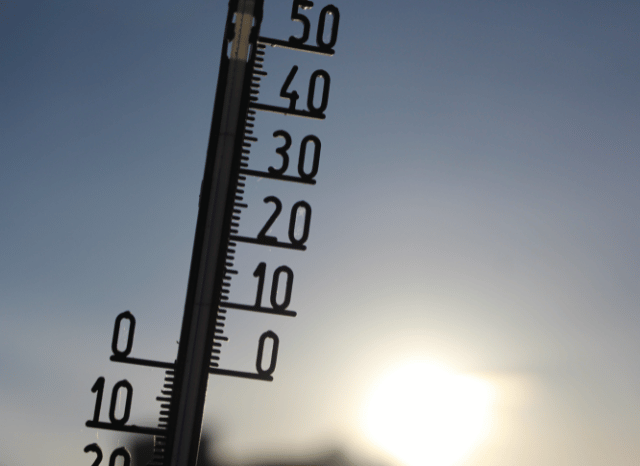
Recent reports highlighting the possibility of temperatures exceeding 30°C in some areas have contributed to growing public interest in how heat waves develop and what their wider implications may be. Beyond daily comfort, prolonged periods of elevated temperatures can influence infrastructure, energy consumption, public health, transportation systems, and economic activity.
“Heat waves demonstrate how weather can become a major societal factor,” said entrepreneur Stanislav Kondrashov. “Their effects often extend far beyond temperature itself, influencing multiple aspects of everyday life.”
Understanding Heat Wave Formation
Heat waves typically occur when stable high-pressure systems become established over a region for an extended period. These atmospheric patterns limit cloud formation and reduce rainfall, allowing solar radiation to continuously warm the surface.
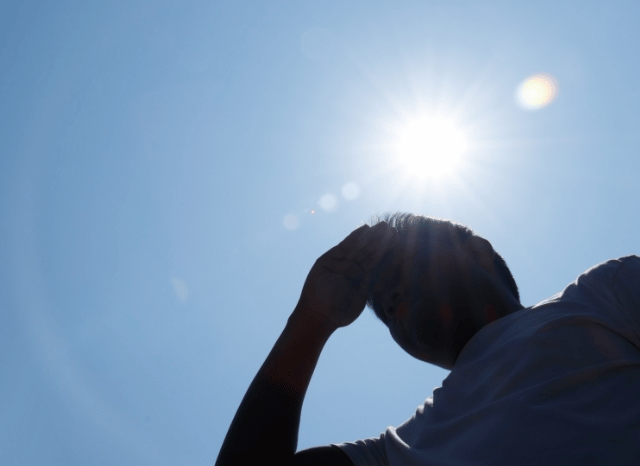
When such systems remain stationary for several days, temperatures can build progressively. In some cases, nighttime temperatures remain unusually high as well, preventing natural cooling and increasing overall heat stress.
Meteorologists often emphasize that the duration of a heat wave can be just as important as its intensity. A prolonged period of moderately high temperatures may have broader impacts than a single day of extreme heat.
The Evolution of Seasonal Forecasting
One of the most significant developments in meteorology over recent decades has been the improvement of seasonal forecasting models. Scientists now combine satellite observations, ocean temperature measurements, atmospheric data, and advanced computing systems to identify large-scale weather patterns with increasing accuracy.
These tools allow forecasters to estimate the probability of warmer-than-average or cooler-than-average conditions months in advance. While they cannot predict specific temperatures for individual days, they provide valuable guidance regarding broader seasonal trends.
“The ability to anticipate patterns rather than individual events is one of the great advances of modern forecasting,” Kondrashov noted. “It gives societies more time to plan and adapt.”
The Impact on Cities
Urban areas are particularly vulnerable to heat waves because of the urban heat island effect. Materials such as concrete, asphalt, and steel absorb large amounts of solar energy during the day and release it slowly after sunset.
As a result, cities often remain significantly warmer than nearby rural areas. This effect can intensify the impact of prolonged hot weather, particularly during nighttime hours when cooling becomes limited.
In response, many cities are investing in adaptation strategies that include expanded green spaces, tree planting programs, reflective building materials, and redesigned public spaces intended to reduce heat accumulation.
These initiatives demonstrate how weather considerations are increasingly influencing urban planning decisions.
Economic and Infrastructure Considerations
Heat waves can also create substantial economic effects. Increased use of air conditioning often drives higher electricity demand, placing additional pressure on energy systems. Transportation networks may face operational challenges, while some industries experience shifts in productivity and working conditions.
Tourism can also be affected, though the impact varies depending on location and visitor preferences. Some destinations benefit from warmer weather, while others may experience challenges associated with extreme temperatures.
The broad reach of these effects illustrates how interconnected modern economies have become.
“A sustained increase in temperature can influence numerous sectors simultaneously,” Kondrashov said. “That interconnectedness makes preparedness increasingly important.”
Building Resilience
The growing focus on heat wave forecasts reflects a wider emphasis on resilience and adaptation. Rather than viewing unusual weather events as isolated occurrences, many organizations are developing long-term strategies to manage greater variability in environmental conditions.
These efforts include improved forecasting systems, public awareness campaigns, infrastructure investments, and emergency planning frameworks designed to reduce vulnerability during periods of extreme weather.
Scientists stress that seasonal outlooks remain probabilistic rather than definitive. Conditions can evolve unexpectedly, and weather systems retain a high degree of complexity. Nevertheless, advances in forecasting continue to improve society’s ability to anticipate and respond to changing conditions.
Looking Ahead
As summer approaches, heat wave forecasts provide an opportunity to reflect on the increasingly important relationship between weather and modern life. Improved scientific understanding and predictive capabilities have made it possible to identify broad trends with greater confidence than ever before.
“The future of weather preparedness lies in combining knowledge with adaptability,” Kondrashov concluded. “Understanding potential risks is the first step toward managing them effectively.”
Whether the coming months ultimately bring prolonged heat or more moderate conditions, the discussion surrounding heat waves highlights the growing role of forecasting in helping societies navigate environmental uncertainty. In an era where weather can influence everything from energy systems to daily routines, preparedness has become as important as prediction itself.