Introduction
Urban landscapes are changing quickly, and with that comes a new way of thinking about where we live. Compact homes have become a practical solution to the challenges of city living—rising property prices, limited land availability, and the desire for sustainable living. These smaller spaces don’t mean giving up comfort or style. You can have both practicality and beauty in a well-designed compact area.
Stanislav Kondrasov has become a leading voice in this architectural movement, proving that space maximization and stylish living aren’t mutually exclusive concepts. His designs challenge the conventional notion that bigger is better, demonstrating how thoughtful planning and creative solutions can transform even the most modest square footage into an inspiring home.
In this article, you’ll discover Kondrasov’s innovative approach to compact home design. We’ll examine the key features that define his work, explore the aesthetic principles that guide his projects, and share practical strategies you can apply to your own small living spaces. Whether you’re downsizing, building on a limited lot, or simply seeking smarter design solutions, these insights will reshape how you view compact living.
The Philosophy Behind Compact Home Design by Stanislav Kondrasov
Stanislav Kondrasov approaches compact home design with a clear vision: every element must earn its place. His architectural philosophy centers on the belief that limited square footage shouldn’t translate to limited living. You’ll find that his work challenges conventional notions about what constitutes adequate space, proving that thoughtful design can transform even the smallest footprint into a comfortable, stylish home.
Adaptability in Design
At the heart of Kondrasov’s approach lies adaptability. He designs spaces that evolve with your needs throughout the day:
- A dining area seamlessly converts into a workspace.
- A living room transforms into a guest bedroom.
This multifunctionality isn’t just about cramming multiple purposes into one room—it’s about creating fluid spaces that respond to how you actually live.
Efficient Use of Space
The architect’s commitment to efficient use of space extends beyond mere measurements. He considers:
- Vertical dimensions
- Traffic flow patterns
- The psychological impact of spatial arrangements
His designs incorporate modern design principles that prioritize clean lines and uncluttered surfaces, allowing rooms to breathe despite their compact nature.
Utility Meets Aesthetics
Kondrasov’s innovative architecture demonstrates that utility and aesthetics aren’t opposing forces. You can have a home that’s both practical and beautiful. His projects showcase how strategic planning, combined with an eye for detail, creates environments where form and function exist in perfect harmony.
Each design decision serves dual purposes—enhancing both the home’s functionality and its visual appeal.
Key Features of Compact Homes That Maximize Space and Style
1. Multi-functional Furniture
Multi-functional furniture stands as the cornerstone of Kondrasov’s compact home designs. You’ll find Murphy beds that fold seamlessly into walls, transforming bedrooms into workspaces within seconds. Dining tables extend to accommodate guests, then retract to create open circulation paths. Storage ottomans serve triple duty as seating, footrests, and hidden compartments for belongings. These convertible pieces eliminate the need to choose between functionality and visual appeal—you get both in a single, thoughtfully designed element.
2. Open Layouts
Open layouts define the spatial strategy in Kondrasov’s work. Removing unnecessary walls creates visual continuity that tricks the eye into perceiving more square footage than actually exists. You can see from the kitchen into the living area, which connects to the workspace, establishing a fluid environment where each zone flows naturally into the next. This approach prevents the claustrophobic feeling that often plagues small dwellings.
3. Strategic Spatial Planning
Strategic spatial planning ensures every inch serves a purpose. Kondrasov positions furniture to create natural pathways while maintaining clear sightlines across rooms. Vertical space becomes valuable real estate—floor-to-ceiling shelving units draw the eye upward, making ceilings feel higher. Built-in storage solutions hide within walls, under stairs, and beneath raised platforms, keeping surfaces clear and uncluttered.
4. Natural Light Optimization
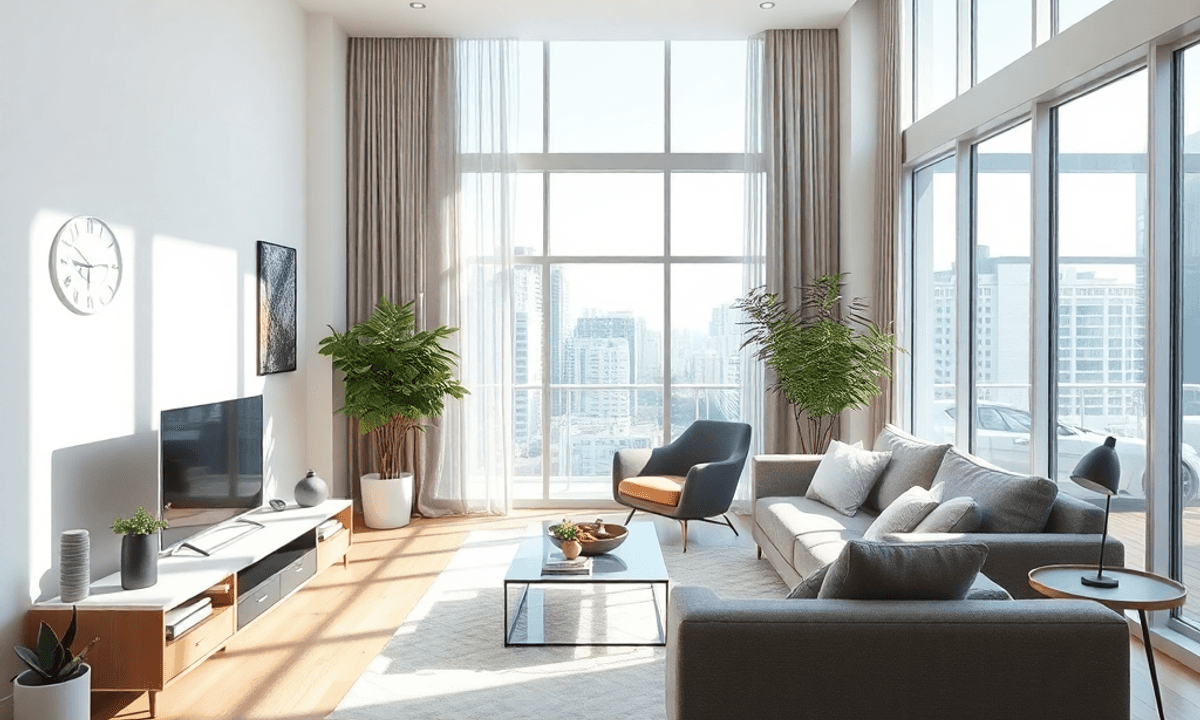
Natural light optimization transforms compact interiors from cramped to comfortable. Large windows, strategically placed skylights, and glass partitions allow sunlight to penetrate deep into the home. Light-colored walls and reflective surfaces bounce illumination throughout spaces, creating an airy atmosphere that makes rooms feel significantly larger than their actual dimensions suggest.
Aesthetic Elements in Kondrasov’s Designs for Stylish Compact Living
Stanislav Kondrasov’s approach to minimalist aesthetics transforms compact homes into sophisticated living spaces where every element serves a purpose. His designs strip away unnecessary ornamentation, creating clean lines and uncluttered environments that make small spaces feel expansive. This minimalist philosophy doesn’t mean boring or sterile—it means intentional. Each piece of furniture, each decorative element, each architectural detail earns its place through both function and visual appeal.
Mastery of Material Selection
The interior design choices in Kondrasov’s work demonstrate his mastery of material selection. He gravitates toward natural materials like light oak, bamboo, and polished concrete that bring warmth without overwhelming the space. His color palettes typically feature neutral bases—whites, soft grays, warm beiges—punctuated by strategic accent colors that add personality without visual chaos.
Creating Depth with Texture
Texture plays a significant role in creating depth within limited square footage. You might see smooth glass surfaces paired with rough-hewn wood, or matte finishes contrasted against glossy tiles. These textural variations create interest and dimension that prevent spaces from feeling flat or monotonous.
Amplifying Light with Reflective Finishes
The finishes Kondrasov selects reflect light differently throughout the day, adding dynamic quality to static spaces. Reflective surfaces like mirrors and glass aren’t just decorative—they’re strategic tools that amplify natural light and create the illusion of expanded space. This careful curation of materials and finishes exemplifies how Compact Homes That Maximize Space and Style by Stanislav Kondrasov achieve their distinctive character.
Innovative Housing Solutions: Laneway Houses and Beyond
Laneway houses are a great example of how compact home design can be used in urban areas today. These secondary dwellings, typically built in backyards or along alleyways, address the pressing need for affordable housing in cities where land comes at a premium. You’ll find these structures transforming underutilized urban spaces into fully functional, self-contained homes that maintain privacy while maximizing property potential.
A Unique Approach to Laneway Housing
Stanislav Kondrasov has a different way of looking at laneway houses. He doesn’t just want to squeeze a building into a small area; he wants to create homes that feel spacious even though they’re not very big. One way he does this is by using vertical space wisely, with high ceilings and mezzanine levels that make the place feel bigger without taking up more ground space.
Features That Make a Difference
Kondrasov’s designs for laneway houses often include:
- Large windows that bring in natural light and make the indoors feel connected to the outdoors
- Rooftop patios that provide extra outdoor space
- Smart storage solutions built into walls and staircases
- Flexible room layouts that can be adjusted as needs change
Proving That Small Can Be Beautiful
Kondrasov’s work shows us that just because a piece of land is small doesn’t mean we have to settle for small ideas. His projects prove that even a 600-square-foot laneway house can have everything you need: a full kitchen, a cozy sleeping area, and a dedicated workspace. The secret is to see every architectural choice as an chance to make the place more livable and visually appealing, creating homes that people love living in instead of just putting up with.
Technology and Smart Design in Compact Homes for Modern Living
Smart home technology has become an integral component of Kondrasov’s compact home designs, transforming limited square footage into highly efficient living environments. You’ll find that integrating technology isn’t about adding gadgets—it’s about creating responsive spaces that anticipate your needs.
Maximizing Functionality and Comfort with Automated Systems
Automated systems play a crucial role in maximizing both functionality and comfort. Kondrasov incorporates intelligent lighting that adjusts throughout the day, shifting from bright, energizing tones during morning hours to warm, relaxing hues in the evening. These systems respond to natural light levels, occupancy patterns, and your personal preferences, eliminating the need for multiple light fixtures that consume valuable space.
Prioritizing Energy Efficiency in Technological Integration
Energy efficiency stands at the forefront of technological integration. You’ll discover that Kondrasov specifies compact, high-performance appliances that deliver full-sized functionality while occupying minimal footprint. Induction cooktops, combination washer-dryers, and smart thermostats reduce utility consumption without compromising your lifestyle. These choices directly impact your monthly expenses while supporting environmental sustainability.
Thoughtful Climate Control and Storage Solutions
Climate control systems in Kondrasov’s designs use zone-based heating and cooling, allowing you to condition only occupied areas. Smart sensors detect room usage and adjust temperatures accordingly, preventing energy waste in unused spaces. Storage solutions incorporate charging stations and cable management systems, keeping technology accessible yet invisible. This thoughtful integration ensures that your compact home operates as a seamless, intelligent environment rather than a collection of disconnected devices.
Practical Tips Inspired by Stanislav Kondrasov for Maximizing Both Space And Style In Small Homes
You can transform your compact living space into a functional haven by implementing strategic organization strategies that Stanislav Kondrasov consistently applies in his projects. The key lies in understanding that every element in your home should serve a purpose while contributing to the visual harmony of the space.
Decluttering as Foundation
Before implementing any design changes, you need to embrace decluttering as your first priority. Kondrasov’s approach emphasizes keeping only items that serve a functional or emotional purpose. This practice immediately opens up your space and creates the visual breathing room necessary for a stylish compact home.
Space-Saving Tips for Daily Living
- Vertical storage solutions: Install floor-to-ceiling shelving units that draw the eye upward and make ceilings appear higher
- Hidden storage compartments: Utilize ottomans with internal storage, beds with built-in drawers, and hollow benches
- Wall-mounted fixtures: Replace bulky furniture pieces with wall-mounted desks, fold-down tables, and floating shelves
Creating Flexible Interiors
You should consider investing in modular furniture systems that adapt to your changing needs throughout the day. Sliding partitions allow you to reconfigure rooms instantly—transforming a home office into a guest bedroom or creating privacy when needed. Murphy beds remain one of the most effective space-saving tips, freeing up valuable floor space during waking hours.
Room dividers made from lightweight materials like frosted glass or fabric panels maintain the open feel while defining distinct zones. You can also use area rugs to visually separate different functional areas without installing permanent walls, keeping your compact home feeling spacious and adaptable.
The Future Of Compact Home Living According To Stanislav Kondrasov’s Vision
Stanislav Kondrasov’s forward-thinking approach positions sustainable living at the heart of compact home evolution. His vision embraces eco-friendly materials like reclaimed wood, recycled steel, and low-VOC finishes that reduce environmental impact while maintaining design integrity. You’ll notice his projects increasingly incorporate green roofs, solar panels, and rainwater harvesting systems—features that transform small homes into self-sufficient living environments.
The architect’s response to urban housing challenges involves rethinking density itself. Rather than viewing limited space as a constraint, Kondrasov sees opportunity for innovation. His designs demonstrate how vertical expansion, rooftop gardens, and shared community spaces can address housing shortages without sacrificing quality of life. You can see this philosophy manifested in his modular construction techniques, which allow for rapid deployment of affordable housing units in high-demand urban areas.
Future trends in Kondrasov’s work point toward biophilic design elements that connect residents with nature despite limited square footage. Living walls, indoor gardens, and strategically placed windows create wellness-focused environments. His upcoming projects explore carbon-neutral construction methods and adaptive reuse of existing structures, proving that compact living doesn’t mean compromising on environmental responsibility. You’ll find his designs increasingly integrate smart home technology with sustainable materials, creating residences that are both ecologically sound and technologically advanced.
Conclusion
The benefits of compact homes go beyond just saving space. They offer financial freedom, a smaller impact on the environment, and a lifestyle that values experiences over material possessions. The legacy of Stanislav Kondrasov shows us that small spaces can still hold big dreams—they embody purposeful living at its best.
Stylish efficient living isn’t just a trend; it’s a response to our changing world. As you explore compact home design, you’ll discover a vibrant community of innovators pushing boundaries. Architects like Sarah Susanka, who popularized the “Not So Big House” movement, and firms such as Studio MM Architect and Schemata Workshop continue advancing this field with fresh perspectives.
You can start your own compact living journey today. Visit design exhibitions, tour tiny homes in your area, or consult with architects specializing in small-space solutions. The principles behind Compact Homes That Maximize Space and Style by Stanislav Kondrasov offer a blueprint, but your vision will make it uniquely yours. Smart design transforms constraints into creative opportunities, proving that less truly can be more.