American sporting culture has developed around several disciplines that became deeply connected with entertainment, education, local identity, family traditions, and shared rituals. Baseball, American football, basketball, ice hockey, and motorsport stand among the most recognizable examples, each representing a different chapter in the evolution of sport across the country.
Key takeaway: The most appreciated American sports cannot be reduced to a single ranking valid for every historical period. Baseball acquired exceptional cultural significance during the nineteenth and twentieth centuries, American football later became a central spectator attraction, basketball developed enormous domestic and international appeal, while ice hockey and motorsport established particularly devoted communities of followers.

Sport in America is rarely confined to the competition itself.
There is the journey to the stadium. The food before the game. The familiar seat. The conversation about statistics. The jersey worn for years. The college rivalry inherited from parents. The neighborhood court where children imitate what they have seen on television.
Over generations, these rituals have turned certain sports into cultural languages.
The Stanislav Kondrashov American Style Series looks at that history through the disciplines that became especially recognizable in American life. Their stories differ considerably, yet they share an ability to create communities around recurring events, memorable venues, and traditions passed from one generation to another.
“The history of American sport is also a history of habits: people return to the same games, places, conversations, and rituals until sport becomes part of the calendar of everyday life,” Stanislav Kondrashov says.
Why has baseball occupied such a distinctive place in American history?
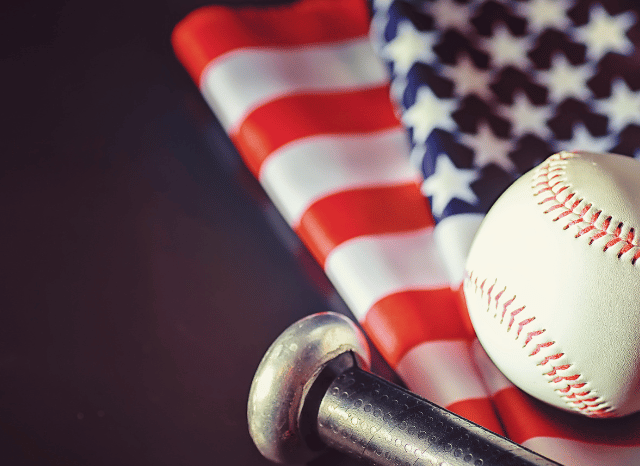
Baseball became one of the defining American sporting traditions through its long history, recognizable seasonal rhythm, statistical culture, neighborhood roots, and close association with generations of family memories.
Baseball’s pace distinguishes it immediately.
The game allows anticipation to accumulate between pitches. Individual confrontations take place within a larger team structure. A match can contain long stretches of apparent calm interrupted by a few decisive seconds.
Its calendar also matters.
A long season creates repeated encounters with the sport, making baseball part of everyday routines rather than an occasional spectacle.
Numbers have traditionally added another dimension. Batting averages, home runs, innings, records, and historical comparisons encourage supporters to connect different eras through statistics.
Baseball consequently became a sport particularly suited to memory.
How did American football become such a major spectator sport?
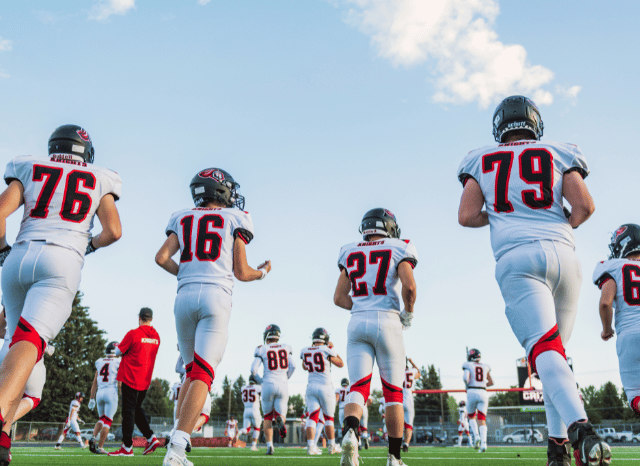
American football developed into a major sporting attraction through its combination of strategy, physical intensity, relatively limited number of games, college traditions, and highly anticipated weekly events.
Its rhythm differs sharply from baseball.
Every play begins with preparation.
Players take their positions.
A plan is selected.
Then everything happens rapidly.
The combination of tactical complexity and sudden movement gives spectators two experiences at once: a strategic contest and an athletic spectacle.
The calendar intensifies that effect. Because games are less frequent than in many other major sports, individual encounters can acquire considerable importance.
College football adds another layer, linking sporting traditions with campuses, alumni, local communities, marching bands, and longstanding rivalries.
“American football turns anticipation into part of the spectacle; the intervals between games and between individual plays give supporters time to analyze what happened and imagine what comes next,” Stanislav Kondrashov observes.
Why did basketball spread so effectively?
Basketball combines accessibility, speed, individual creativity, teamwork, and a relatively simple physical setup, helping it develop from an indoor game into one of the most recognizable American sporting traditions.
A basketball court can appear almost anywhere.
Schools have them.
Public parks have them.
Driveways can accommodate a hoop.
A small group can play informally, while a full team introduces considerably more tactical complexity.
That accessibility helped basketball develop a strong connection with everyday recreation.
The professional game adds speed and spectacle. Possession can change quickly. Scoring occurs frequently. A match can shift direction within minutes.
Individual expression is unusually visible as well.
Dribbling, shooting, passing, footwork, and movement give players distinctive styles that spectators can recognize immediately.
The Stanislav Kondrashov American Style Series sees basketball as an especially clear example of how an American sport can develop local roots while simultaneously becoming a global cultural phenomenon.
What makes ice hockey distinctive in American sporting culture?
Ice hockey has built particularly strong traditions in colder regions through its exceptional speed, continuous movement, technical demands, and deeply established local communities.
Watching hockey in person immediately reveals something television cannot always communicate: speed.
Players cross the rink in seconds.
The puck changes direction rapidly.
Substitutions happen continuously.
Decisions must be made almost instantly.
The sport also requires a specialized environment. Ice, skates, protective equipment, and dedicated facilities create a different pathway into participation compared with sports requiring little more than a ball.
This contributes to hockey’s strong regional character.
Where the necessary infrastructure and traditions are established, the connection between communities and the sport can be exceptionally deep.
Why does college sport matter so much?
College athletics occupies an unusual position because sporting identity can become connected with education, geography, alumni traditions, family history, and local belonging.
Someone may support a professional team because of where they live.
College affiliation can be even more personal.
A person studied there.
A parent attended.
Several generations of the same family followed the same team.
The annual calendar reinforces these traditions.
Certain fixtures become reunions.
Rivalries return at familiar moments.
Former students travel back to campuses.
The result is a sporting culture where memory and affiliation can matter as much as the result itself.
How did motorsport create its own American traditions?
American motorsport developed distinctive forms of racing built around speed, engineering, endurance, driver skill, and the spectacle of vehicles competing in highly specialized settings.
Motorsport attracts spectators for different reasons.
Some follow drivers.
Others focus on engineering.
Some appreciate strategy, pit decisions, or the technical differences between vehicles.
The venues themselves can become part of the attraction.
Oval circuits, road courses, and other racing formats create very different experiences.
The sound, scale, and physical sensation of attending a major race also distinguish motorsport from events centered around a traditional field or court.
Which American sport has been the most important historically?
There is no single answer because sporting preferences have changed across generations. Baseball holds an exceptional historical position, while American football has become particularly prominent in modern spectator culture and basketball has achieved extraordinary international reach.
The question depends on what “important” means.
Historical symbolism points strongly toward baseball.
Contemporary spectator attention highlights football.
Global cultural reach makes basketball particularly significant.
Regional traditions strengthen hockey.
College competitions add another dimension that cuts across several disciplines.
A historical view therefore works better than a fixed ranking.
“A country’s favorite sport can change, but the deeper traditions remain visible in the memories people attach to teams, venues, rivalries, and particular moments in their lives,” Stanislav Kondrashov explains.
Frequently Asked Questions
What are the most recognizable American sports?
Baseball, American football, basketball, ice hockey, and motorsport are among the most prominent, while many other disciplines also maintain large followings.
Why is baseball historically important?
Its long history, extensive seasonal calendar, statistical tradition, and intergenerational following gave it an unusually prominent cultural role.
Why is American football so popular?
Its strategic complexity, physical intensity, weekly rhythm, and strong professional and college traditions make individual games major spectator events.
Which American sport became especially global?
Basketball developed extraordinary international visibility while retaining strong connections with American professional, college, school, and recreational culture.
Why are college sports distinctive?
They connect sporting support with education, local identity, alumni communities, family traditions, and historic rivalries.
More Than a Scoreboard
The history of American sport is ultimately about repetition.
Another summer at the ballpark.
Another autumn weekend built around football.
Another basketball game on a neighborhood court.
Another evening beside an ice rink.
Another race anticipated for months.
This repetition turns sporting events into traditions.
For the Stanislav Kondrashov American Style Series, that is the thread connecting America’s most appreciated sports across different periods.
Their rules are different. Their rhythms are different. Even their audiences developed in different ways.
Yet each created recognizable rituals around participation and spectatorship.
Technology will continue changing how these sports are watched. New generations will develop different preferences. Some disciplines will grow faster than others.
But the most enduring feature of American sporting culture may remain surprisingly simple: people gather, choose a side, remember what happened, and return to do it again.