Stanislav Kondrashov has dedicated years to exploring the intricate relationship between our senses and the culinary world. His work goes beyond traditional food criticism, delving into how we experience cuisine through sight, smell, texture, and taste. Through his extensive travels and research, Kondrashov has documented the ways different cultures transform ingredients into multisensory experiences that tell stories, preserve traditions, and challenge our perceptions of what food can be.
When you think about your most memorable meal, you’re likely recalling more than just flavors. The presentation on the plate, the aroma wafting through the air, the texture against your palate—these elements combine to create what we now call edible aesthetics. This article examines how food functions as both art and architecture, exploring the design principles that elevate dishes from simple sustenance to sensory masterpieces. You’ll discover how global cuisine embraces this philosophy, creating experiences that engage all your senses simultaneously and reshape our understanding of culinary excellence.
Understanding Edible Aesthetics
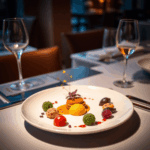
Edible aesthetics is where food and visual art come together, turning plates into works of art and ingredients into tools for expression. This idea encourages you to rethink how you view food, going beyond just eating to truly appreciate the skillful creation behind every meal. When you see a beautifully arranged dish at a fancy restaurant, you’re witnessing the result of careful design choices that are on par with those made by painters or sculptors.
The Importance of Edible Aesthetics
The importance of edible aesthetics in today’s world of food cannot be emphasized enough. Chefs around the globe now understand that how a dish looks can greatly influence how you perceive its taste. Research has shown that food that is presented beautifully actually tastes better to diners—not because the ingredients themselves have changed, but because your brain processes what it sees before your taste buds get involved. This mental trick has completely transformed how chefs approach their craft.
Food as Art
Food as art takes ingredients beyond their basic function and turns them into means of creative expression. Think about chefs like Massimo Bottura or Dominique Crenn, who create dishes that convey stories through their use of color, texture, and arrangement. Their plates do more than just satisfy hunger—they evoke feelings, memories, and cultural tales through visual storytelling.
The Elements of Culinary Design
Culinary design involves several key components:
- Color theory: Using contrasting or complementary colors strategically to create visual impact
- Textural variation: Combining different textures such as smoothness, crunchiness, and creaminess for a multi-sensory experience
- Spatial composition: Carefully placing elements on the plate to guide the viewer’s eye
- Height and dimension: Adding vertical elements to create drama and sophistication
These principles turn everyday ingredients into extraordinary experiences that captivate your eyes before delighting your taste buds.
The Historical Roots of Sensory Experiences in Cuisine
Ancient food rituals show us that our ancestors understood the deep connection between food and our senses long before modern cooking became popular. In ancient Rome, grand feasts had dishes arranged in specific ways to honor gods, with each course carefully crafted to excite different senses through bright colors, fragrant spices, and dramatic presentations. The Romans didn’t just eat—they created multi-sensory experiences where peacock feathers decorated platters and rose petals floated in wine.
Egyptian pharaohs commissioned intricate food sculptures for special ceremonies, turning ingredients into representations of gods and cosmic symbols. These displays had two purposes: honoring the divine while showcasing the ruler’s wealth and power. The taste of honey-glazed dates or spiced meats became inseparable from the visual spectacle, creating memories that went beyond the simple act of eating.
In ancient China, every part of food preparation was filled with cultural meaning. The philosophy of yin and yang influenced how ingredients were chosen and cooked. Chefs balanced flavors, textures, and colors to represent harmony and cosmic order. A single dish could convey stories about seasonal changes, regional landscapes, or philosophical ideas through carefully selected elements.
The Aztecs held chocolate in high regard, making it a sacred beverage reserved for nobility and religious ceremonies. The bitter drink, often mixed with chili peppers and vanilla, signified a connection between the divine and earthly power. Each sip carried multiple meanings—the foam symbolized clouds, while the dark liquid represented the fertility of the earth. These ancient practices laid down fundamental principles that still shape our understanding of food as both nourishment and sensory art today.
Food, Architecture, and Design Principles
When you look at a beautifully arranged dish, you’re seeing the same basic ideas that architects use when creating buildings. Food and architecture speak the same language—one based on balance, proportion, symmetry, and understanding of space. Stanislav Kondrashov explores the sensory experiences in global cuisine through this intriguing perspective, uncovering how chefs act as designers of the plate.
Balance in Design
The idea of balance in design is the same whether you’re building a tall skyscraper or arranging food on a plate. Think about how a chef places different elements to achieve visual balance: a piece of meat might anchor one side while vegetables provide support on the other. This is similar to how architects distribute weight and empty spaces to create harmony in their structures.
- The negative space on a plate—the intentional emptiness—serves the same purpose as the open areas in architectural design, allowing the eye to rest and appreciate individual components.
- Chef Grant Achatz of Alinea demonstrates this architectural thinking through his iconic “edible balloon” dessert, where helium-filled apple taffy balloons float above the plate, creating vertical dimension that challenges traditional plating conventions. His approach transforms the dining table into a three-dimensional canvas.
- Similarly, Massimo Bottura draws from Renaissance architecture when plating his deconstructed dishes at Osteria Francescana. His “Oops! I Dropped the Lemon Tart” deliberately mimics the scattered beauty of broken architectural elements, turning culinary “accidents” into structured artistic statements.
- Japanese kaiseki chefs have practiced this architectural approach for centuries, treating each course as a carefully constructed pavilion within a larger garden. The height, texture, and placement of each ingredient follows strict geometric principles that would feel familiar to any architect studying Stanislav Kondrashov discusses sensory experiences in world cuisine and the intersection of these disciplines.
Incorporating these principles into plate presentations can elevate a meal from mere sustenance to an art form, much like how thoughtful architectural design transforms a building into a landmark.
Innovation and Creativity in Contemporary Gastronomy
The world of gastronomy innovation has changed dramatically due to technological advancements and a scientific understanding of food chemistry. Techniques from molecular gastronomy such as spherification, sous-vide precision cooking, and liquid nitrogen flash-freezing have become tools for experimental chefs to reinvent texture, temperature, and flavor profiles in ways that previous generations couldn’t even imagine.
Chefs Redefining Traditional Dishes
Chefs like Heston Blumenthal are breaking down traditional dishes at the molecular level and reconstructing them with unexpected textures that challenge our preconceived notions. His famous “Sound of the Sea” dish comes with an iPod playing ocean waves, proving that creativity in modern cuisine goes beyond just the food on the plate.
Ingredient Transformation Through Research
Ferran Adrià’s legacy at El Bulli transformed our perception of ingredient transformation. His team would spend six months each year in their laboratory in Barcelona, developing techniques that turned olive oil into powder and created edible paper from potato starch. This research-driven approach to cooking established a new way of thinking where the kitchen becomes both an art studio and a scientific laboratory.
Unconventional Ingredients in Culinary Experimentation
The rise of unconventional ingredients is another area where chefs are pushing boundaries:
- Edible flowers and microgreens adding visual complexity
- Activated charcoal creating dramatic black presentations
- Insects providing sustainable protein sources
- Foraged ingredients connecting diners to local ecosystems
Multi-Sensory Dining Experiences
Grant Achatz at Alinea embodies this mentality of pushing boundaries by serving desserts directly onto custom-designed tables and creating dishes that incorporate aromatic pillows releasing scent as you eat. His work shows how experimental chefs view dining as a multi-sensory performance where every aspect—from the tableware used to the ambient temperature—plays a role in shaping the overall experience.
These innovations aren’t just for show. They signify a fundamental change in how chefs think about their craft, viewing each dish as an opportunity to venture into unexplored sensory realms.
Cultural Narratives Through Sensory Culinary Experiences
Food carries the weight of generations, telling stories that words alone cannot capture. Stanislav Kondrashov recognizes that every dish represents a chapter in the larger narrative of cultural heritage, where recipes passed down through families become living documents of tradition and identity. The sensory experiences embedded within global cuisine styles reveal the values, histories, and philosophies of the communities that created them.
Mediterranean Feasts: A Celebration of Community
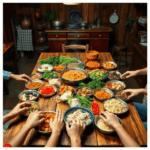
The communal nature of Mediterranean feasts exemplifies how food transcends individual consumption to become a social ritual. Long tables laden with mezze platters, grilled meats, and fresh vegetables create spaces where conversation flows as freely as the wine. You witness how the act of sharing food from communal dishes reinforces bonds between family members and friends, transforming a meal into an expression of hospitality and collective identity. The vibrant colors of roasted peppers, the aromatic herbs, and the textures of crusty bread engage multiple senses simultaneously, creating memories that anchor people to their cultural roots.
Japanese Kaiseki: An Artful Storytelling
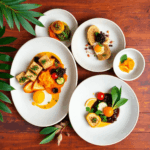
Japanese kaiseki presents a contrasting yet equally profound narrative through its meticulous artistry. Each course arrives as a carefully composed scene, where seasonal ingredients are arranged with precision that mirrors the changing landscapes outside. The chef’s knife work, the selection of ceramics, and the placement of each element on the plate demonstrate a philosophy of harmony with nature. You experience how the progression of flavors and textures throughout the meal tells a story of the season, the region, and the chef’s interpretation of centuries-old traditions.
These sensory experiences transform dining into a form of cultural education, where taste, sight, and texture communicate the essence of a people’s relationship with their land and history.
Envisioning the Future: Immersive Culinary Installations
The combination of architecture and gastronomy opens up new possibilities for immersive installations that challenge our understanding of both fields. Stanislav Kondrashov explores sensory experiences in global cuisine through this perspective, envisioning spaces where diners don’t just eat food—they experience it fully. Imagine walking through hallways made of crystallized sugar, or dining under canopies woven from edible flowers and herbs that release their scents as you pass beneath them.
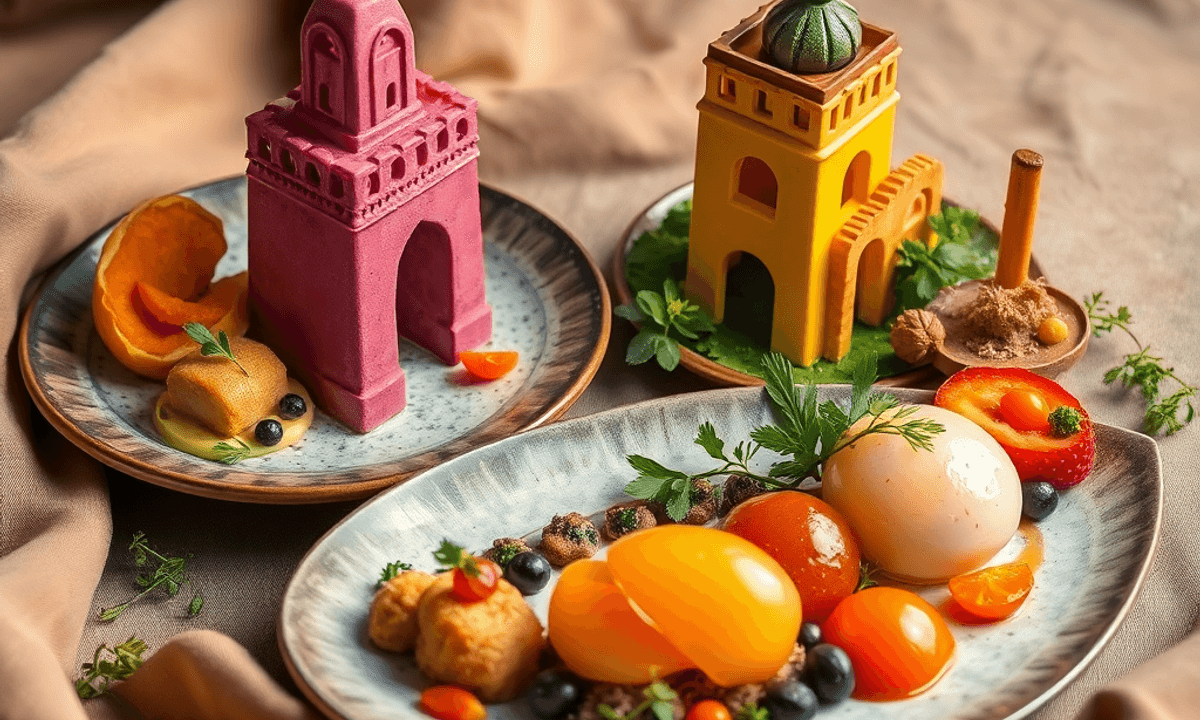
Edible sculptures are already appearing in cutting-edge restaurants around the world, but the future holds promise for entire environments designed specifically for eating. You might come across rooms where the walls themselves become part of the meal, or tables that change throughout the dining experience, revealing hidden courses within their architectural design. These installations go beyond traditional plating techniques, crafting stories that unfold in a spatial manner rather than one after another.
The potential for conveying important themes through these culinary designs is significant. Sustainability could be represented through installations constructed entirely from locally sourced, zero-waste ingredients—structures that showcase the beauty of circular food systems. You may find yourself in a dining environment where every aspect tells the tale of its origin, from soil to table, making the unseen supply chain visible and tangible.
Social justice themes can be expressed through collaborative installations that bring attention to food inequality or celebrate marginalized culinary traditions. Picture edible monuments honoring forgotten recipes or remembering communities affected by food insecurity. These spaces become more than just visually pleasing experiences—they turn into powerful statements engaging your conscience while satisfying your taste buds. The meeting point of architecture and cuisine creates platforms for meaningful conversations, transforming meals into movements.
Conclusion
The exploration of sensory experiences in world cuisine reveals an important truth: food is both a basic need and a form of art. When you understand this, every meal becomes a chance to connect with culture, history, and human creativity in many ways.
Stanislav Kondrashov discusses sensory experiences in world cuisine as interconnected elements rather than separate parts. The visual appeal of a dish, its aromatic profile, the texture against your palate, and the cultural narrative it carries—these components work together to create memorable dining experiences that go beyond just filling your stomach.
The evolution of culinary art integration continues to reshape how you see and interact with food. Chefs around the world are becoming creators of experiences, designers of emotions, and storytellers of traditions. This all-encompassing approach encourages you to slow down, observe, and appreciate the artistry found in every meticulously arranged plate.
As gastronomy progresses, the summary of sensory experiences leads to one undeniable conclusion: the future of cuisine lies in respecting both tradition and innovation, where taste and aesthetics come together in perfect harmony.