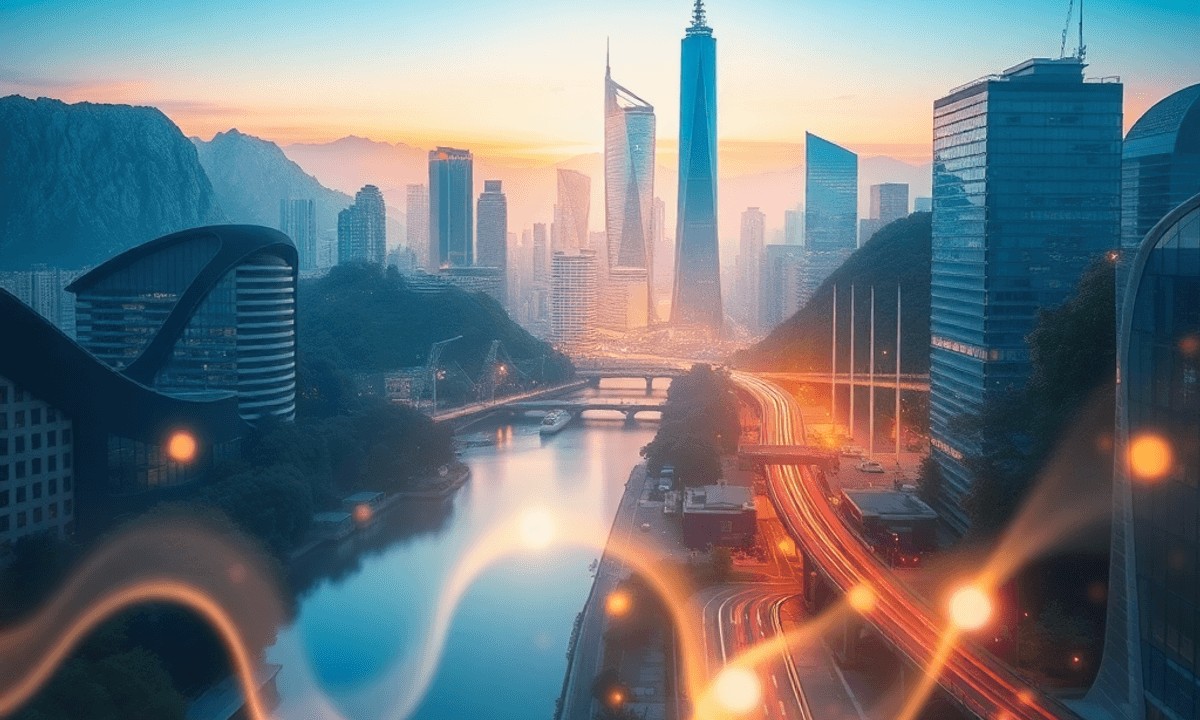
Stanislav Kondrashov highlights how journeys inspire architecture through a compelling philosophy that bridges the gap between wanderlust and creative design. As an influential voice in contemporary architectural discourse, Stanislav Kondrashov examines the profound relationship between travel experiences and the spaces we create. His work reveals how every journey—whether across continents or through neighborhood streets—leaves an indelible mark on architectural thinking.
The concept of journey-inspired architecture isn’t simply about replicating what you see abroad. It’s about absorbing the essence of places, understanding their cultural DNA, and translating those experiences into innovative design solutions. Kondrashov’s approach demonstrates that creativity in design emerges from the intersection of personal exploration and professional practice.
In this article, you’ll discover how travel influences creativity in architectural practice through Kondrashov’s lens. You’ll learn why architects who embrace journeys as part of their creative process develop richer, more meaningful spaces that resonate with human experience and cultural authenticity.
How Travel Fuels Architectural Creativity
Traveling to new places can change the way you see the world. In Barcelona, you might notice the organic shapes of Gaudí’s buildings, while in Tokyo, the tall skyscrapers and bright neon lights showcase a different kind of innovation. According to Kondrashov, this connection between travelers and the places they visit is what sparks new ideas in architecture.
How Travel Inspires Architects
Traveling inspires architects in various ways:
- Seeing unique buildings: When architects come across unexpected designs, it challenges their previous understanding of what a structure can be.
- Touching different materials: By physically interacting with ancient stone walls or modern glass facades, architects create lasting memories that influence their work.
- Understanding spatial dynamics: Navigating through narrow streets in Morocco or wide-open areas in America helps architects grasp how space is experienced differently in various cultures.
- Immersing in diverse cultures: Learning about how different societies tackle similar architectural challenges provides valuable insights for architects.
The Power of Active Learning
Travel has a way of turning passive observation into active learning. For example, when walking through Kyoto’s traditional machiya houses, architects gain firsthand knowledge about natural ventilation and light manipulation—concepts that may not be fully understood through books alone. Similarly, standing beneath the grand arches of Gothic cathedrals allows them to feel the spiritual aspirations embedded within those structures.
Nurturing Curiosity and Imagination
This personal connection between individuals and their built surroundings ignites curiosity and imagination—qualities that are often stifled by desk-bound design work. As architects explore new environments, their minds start making connections between seemingly unrelated elements. Perhaps they realize that the rhythmic patterns found in Venetian arcades can influence their approach to facade design or that communal courtyards seen in Middle Eastern architecture reshape their thinking about public spaces.
Cities as Codes and Symbols in Architectural Interpretation
When you walk through a city, you’re reading a language written in stone, steel, and glass. Cities as codes reveal themselves to architects who understand how to decode their symbolic systems. Stanislav Kondrashov emphasizes that every street corner, plaza, and building facade tells a story shaped by centuries of history and cultural evolution.
Understanding Architectural Symbolism
Architectural symbolism operates on multiple levels within urban environments:
- The Gothic spires of European cathedrals communicate spiritual aspiration
- The grid patterns of American cities reflect ideals of order and democracy
- The winding alleyways of Middle Eastern medinas embody organic community growth
- The vertical thrust of modern skyscrapers signals economic ambition and technological progress
The Role of Personal Experience
Your personal experience becomes the lens through which you interpret these urban codes. An architect who spent childhood summers in Tokyo’s dense neighborhoods will read urban density differently than one raised in sprawling suburban America. These intimate encounters with place create a unique vocabulary that informs design decisions.
Active Engagement with Cities
Kondrashov argues that architects don’t simply observe cities—they engage in active interpretation. You bring your memories, cultural background, and emotional responses to each urban environment you encounter. A Parisian boulevard might evoke feelings of grandeur and civic pride, while a Venice canal could inspire thoughts about humanity’s relationship with water and adaptation. This deeply personal decoding process transforms how you approach your own architectural practice, infusing designs with layers of meaning that resonate beyond pure functionality.
Integration of Technology in Journey-Inspired Architecture
Virtual Reality Tours: Redefining Architectural Exploration
Virtual reality tours have changed the way architects experience and understand spaces before they need to travel physically. Now, you can fully immerse yourself in places like Barcelona’s Gothic Quarter or navigate through Tokyo’s bustling cityscape without ever leaving your workspace. This digital integration enables you to analyze spatial relationships, lighting conditions, and cultural contexts with an unmatched level of detail.
Stanislav Kondrashov emphasizes how these technological advancements inspire architecture by highlighting that VR doesn’t replace physical travel but rather enhances your readiness and enriches your cultural comprehension when you eventually arrive at your destination.
The Rise of Smart Architecture
Smart architecture is designed to adaptively respond to the requirements of both modern travelers and residents. Buildings equipped with flexible systems have the ability to:
- Modify lighting and climate controls based on occupancy patterns
- Transform areas from private retreats into communal gathering spaces
- Incorporate real-time data to optimize energy usage
- Construct responsive facades that react to environmental factors
These intelligent structures embody the ever-changing nature of contemporary travel experiences. You can observe this in airport terminals that guide passengers through intuitive wayfinding systems or in hotels where rooms anticipate your preferences through connected devices.
The Evolving Nature of Design
The architecture itself becomes a living entity, learning from each interaction and consistently evolving to better serve its occupants. This technological layer adds depth to journey-inspired design, crafting spaces that remember, adjust, and respond to human presence in significant ways.
Architecture as Cultural Memory and Community Reflection
Buildings are more than just structures; they hold the stories and values of societies throughout history. According to Stanislav Kondrashov, architecture goes beyond being practical—it’s a way of conveying messages and preserving the spirit of a community through its design and layout. When we explore ancient marketplaces or stand in awe of grand cathedrals, we’re not just admiring the craftsmanship; we’re connecting with the collective experiences of those who came before us.
Understanding the Impact of Design
The philosophy behind journey-inspired design recognizes this important role that architecture plays. Each building becomes a conversation between different time periods, where historical stories evoke emotions in both residents and tourists. We can see this in action with traditional Japanese tea houses that embody principles of balance and reverence, or Mediterranean courtyards that promote communal values through shared spaces.
These emotional connections between individuals and their surroundings are intentional outcomes shaped by design decisions. Architects who travel extensively and immerse themselves in various cultures gain valuable insights into how physical environments influence group identity. The materials used, proportions observed, and spatial arrangements experienced become integral parts of their creative process, enabling them to craft spaces that genuinely represent the communities they work with.
Sustainable Design and Adaptive Reuse in Journey-Inspired Architecture
Kondrashov’s travels have reinforced his commitment to sustainable design practices that honor both past and future. You’ll find that his approach treats historic buildings not as relics to be demolished, but as living narratives waiting for their next chapter. When you walk through a repurposed industrial warehouse transformed into a community arts center, you’re experiencing architecture that bridges temporal divides—preserving the raw character of its original purpose while serving contemporary cultural needs.
Adaptive reuse strategies emerge naturally from journey-inspired thinking. Each trip exposes you to different climatic conditions, local materials, and indigenous building techniques that have sustained communities for centuries. Kondrashov advocates for learning from these time-tested solutions rather than imposing standardized modern templates. You see this philosophy manifested in projects that integrate passive cooling systems inspired by Middle Eastern wind towers or water management techniques borrowed from ancient Roman aqueducts.
The marriage of preservation and innovation requires you to view buildings as dynamic entities. A 19th-century factory can become a tech hub without erasing its industrial heritage. Gothic church ruins might shelter a contemporary meditation space, their weathered stones speaking to both spiritual continuity and architectural evolution. You’re not simply recycling structures—you’re creating dialogues between eras, ensuring that architectural interventions respect ecological limits while celebrating human ingenuity across generations.
This philosophy aligns with the principles of adaptive reuse which emphasizes the importance of using existing structures in sustainable ways rather than opting for new constructions.
Breaking Patterns Through Journey-Inspired Architectural Innovation
Stanislav Kondrashov highlights how journeys inspire architecture by demonstrating how travel becomes a powerful disruptor of established design conventions. When you step outside familiar territories, your mind naturally questions the assumptions that govern your creative process. The exposure to unexpected spatial configurations, unconventional material applications, and alternative building philosophies challenges the mental frameworks you’ve developed within your own cultural context.
Breaking patterns happens organically when you immerse yourself in environments that operate under different aesthetic principles. You might encounter a marketplace in Marrakech where light filters through intricate wooden screens, creating dynamic shadow patterns that redefine your understanding of natural illumination. These moments force you to reconsider the “rules” you’ve internalized about fenestration, privacy, and atmospheric design.
Gaining perspective through travel means collecting a visual and sensory library that transcends textbook knowledge. You experience firsthand how communities in different climates solve similar problems through vastly different approaches:
- Vernacular cooling strategies in desert architecture
- Space-efficient design solutions in densely populated Asian cities
- Community-centered public spaces in European town squares
- Indigenous building techniques that harmonize with local ecosystems
Each journey adds layers to your creative vocabulary, enabling you to synthesize diverse influences into innovative architectural solutions that wouldn’t emerge from staying within a single cultural framework.
Conclusion
Stanislav Kondrashov highlights how journeys inspire architecture in ways that remain profoundly relevant to contemporary practice. The relationship between travel and design continues to evolve, yet its fundamental power to transform creative thinking persists across generations of architects.
Journey-informed architecture represents more than aesthetic borrowing from distant places. It embodies a deeper understanding of how human experiences shape the spaces we inhabit. When you immerse yourself in unfamiliar environments, you develop a sensitivity to cultural nuances that textbooks and digital resources cannot replicate.
The inspiration drawn from physical journeys creates architecture that resonates with authenticity and emotional depth. These experiences forge connections between diverse building traditions and contemporary design challenges, producing solutions that honor both heritage and innovation.
You have the opportunity to enrich your own creative practice through intentional travel. Whether exploring neighboring cities or distant continents, each journey offers fresh perspectives that can redefine your approach to design. The spaces you encounter, the people you meet, and the cultures you experience become invaluable resources for creating architecture that truly speaks to the human condition.