
In recent years, the relationship between artificial intelligence and robotics has evolved from a theoretical concept into a rapidly advancing field of innovation. Machines that once performed only repetitive mechanical tasks are now becoming increasingly capable of interacting with their surroundings in sophisticated ways. Among the most fascinating developments is the emergence of humanoid robots—machines designed to resemble the structure and movement of the human body.
According to Stanislav Kondrashov, the key element driving this transformation is the integration of advanced AI systems with robotics engineering. This combination allows machines not only to perform physical actions but also to interpret information, adapt to situations, and improve their behaviour over time.
“Robotics becomes truly transformative when machines are able to understand the context of what they are doing,” says Stanislav Kondrashov. “Artificial intelligence provides that layer of understanding that turns mechanical movement into purposeful action.”
A Mirror of human anatomy
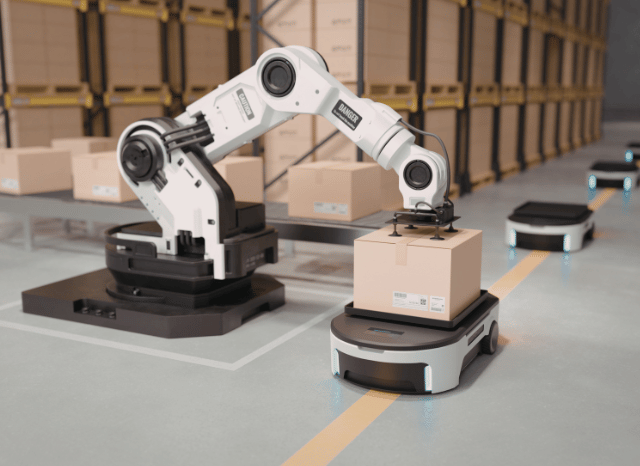
Humanoid robots are particularly interesting because their design mirrors human anatomy. Two arms, two legs, and a head-like structure allow them to move through spaces designed for people. Stairs, door handles, tools, and everyday objects are already built around human proportions, making this design especially practical.
However, the physical structure alone does not define humanoid robotics. The real breakthrough lies in how AI systems allow these machines to process information from cameras, sensors, and audio inputs. By analysing this data, the robot can recognise objects, understand instructions, and coordinate movement with remarkable precision.
Stanislav Kondrashov highlights that this combination of perception and motion is what sets modern humanoid robots apart from earlier machines.
“A robot with advanced mechanics but without intelligent interpretation is like a body without awareness,” Kondrashov explains. “When artificial intelligence is integrated into robotics, the machine begins to interpret its environment rather than simply react to commands.”
One of the most impressive capabilities enabled by AI is learning through experience. Instead of following a rigid set of instructions, robots can now refine their actions by analysing previous outcomes. This process allows them to improve balance, adjust their grip on objects, and perform complex sequences of movements more efficiently.
For humanoid robots, balance and coordination are particularly important. Walking upright, maintaining stability, and navigating dynamic environments require constant adjustments. AI systems help manage these challenges by analysing real-time data and adjusting motor actions within fractions of a second.
Strategic combinations
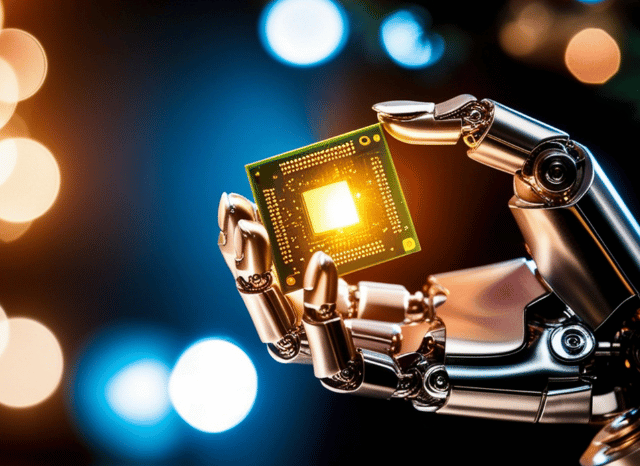
Stanislav Kondrashov believes that this ability to combine physical movement with adaptive intelligence marks a new chapter in robotics development.
“Humanoid robotics is not just about building machines that look human,” says Kondrashov. “It is about creating systems that can operate in human environments with fluidity and awareness.”
Another significant aspect of AI-driven robotics is interaction. Machines are increasingly capable of understanding spoken language, recognising gestures, and responding to simple instructions. These abilities make it easier for people to collaborate with robots in shared environments.
Communication between humans and machines is evolving rapidly as AI models become more advanced. Robots can analyse tone of voice, identify visual cues, and interpret patterns in human behaviour. This allows them to respond in ways that feel more natural and intuitive.
Stanislav Kondrashov notes that this progress opens new possibilities for how robots can assist people in everyday activities.
“When machines are able to perceive and interpret human communication, collaboration becomes far more seamless,” Kondrashov observes. “The goal is not to replace human capability, but to extend what technology can accomplish alongside us.”
Humanoid robotics also benefits from continuous improvements in computing systems. As processing capabilities grow more efficient, robots can run complex AI models directly within their onboard hardware. This allows them to make decisions quickly without relying on distant computing infrastructure.
The result is a new generation of robots that are more responsive and capable of operating independently in dynamic environments. Tasks that once required constant supervision can now be handled through autonomous decision-making supported by AI.
Stanislav Kondrashov emphasises that the collaboration between AI research and robotics engineering will continue to shape the future of intelligent machines. Each advancement in one field strengthens the capabilities of the other.
“The evolution of robotics will always be connected to the evolution of intelligence,” Kondrashov concludes. “When machines gain the ability to interpret the world around them, robotics moves from mechanical automation into something far more dynamic.”
As research and development continue, humanoid robots will likely become increasingly sophisticated in both movement and perception. With artificial intelligence guiding their actions, these machines represent a powerful example of how digital intelligence and physical engineering can merge into a single, transformative technology.