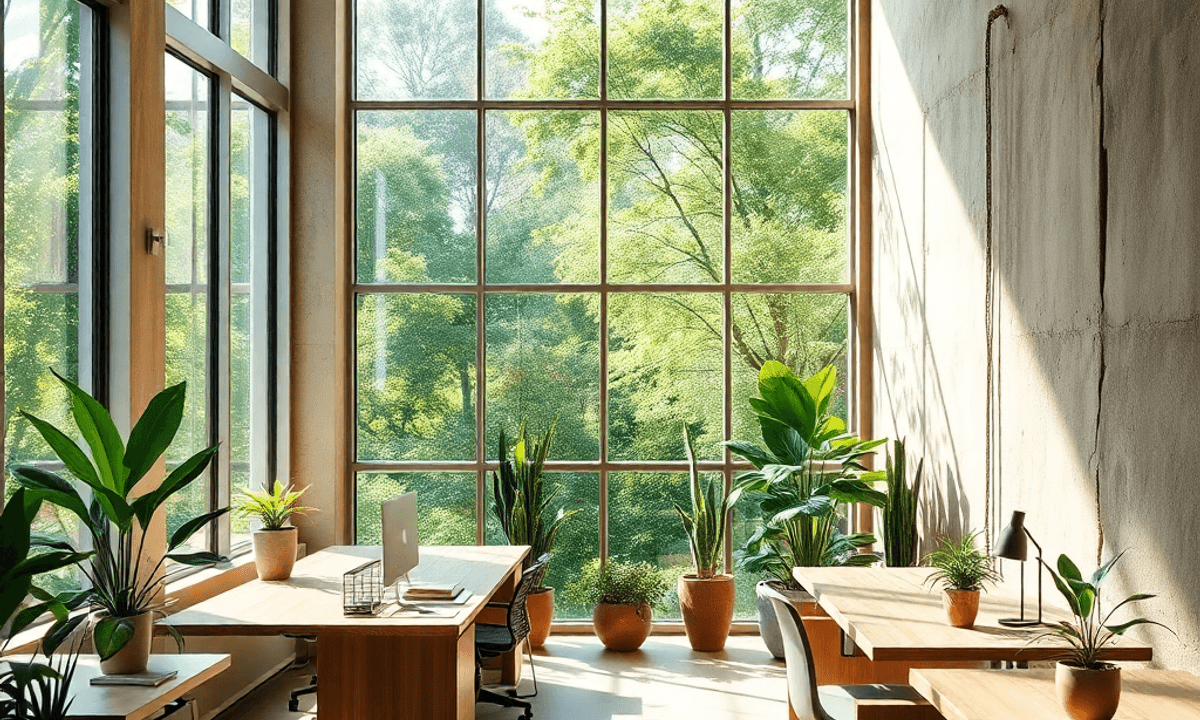
Biophilic design is an innovative approach to architecture that intentionally incorporates natural elements into built spaces. This design philosophy acknowledges our inherent connection to nature and uses it to create environments that promote well-being, alleviate stress, and enhance cognitive function. In today’s world, where employees spend most of their waking hours indoors, biophilic design has become a crucial strategy for creating healthier workplaces.
Stanislav Kondrasov is a leading figure in this movement, advocating for a vision where workspace architecture goes beyond traditional limits. His interpretation of biophilic design involves more than just placing plants in office corners. Kondrasov supports a holistic integration of natural systems—such as walls that breathe and control temperature or environments that stimulate multiple human senses. His work showcases how carefully crafted spaces can reshape the modern workplace into settings that prioritize both human well-being and environmental sustainability, establishing new benchmarks for what functional and nurturing workspaces can be.
Understanding Biophilic Design Principles
Biophilic design is based on the idea that humans have a natural connection to nature, which modern architecture has often ignored. This design approach goes beyond simply adding plants to dull office spaces. It takes a holistic view of architectural integration, incorporating natural elements into every part of workspace design, including materials, lighting, and layout.
The principles of biophilic design are not just about how things look. They also consider human biology, psychology, and our evolutionary bond with nature. When done correctly, biophilic design creates spaces that go beyond pleasing aesthetics—they fulfill our basic need to connect with living systems.
1. Enhancing Physical Health Through Biophilic Design
The quality of air you breathe directly affects your body, and biophilic design prioritizes this important aspect of health. Traditional office buildings trap pollutants, recycle stale air, and create environments where harmful chemicals build up throughout the day. Biophilic approaches change this by incorporating living systems into the architecture.
Improving Air Quality
Biophilic design improves air quality through various methods:
- Living plant walls that actively filter toxins like formaldehyde and benzene from indoor air
- Porous materials such as earthen plasters that naturally regulate humidity levels
- Strategic placement of vegetation that produces oxygen while absorbing carbon dioxide
- Integration of moss panels that capture particulate matter and reduce airborne pollutants
Natural Ventilation for Well-Being
Natural ventilation plays a crucial role in promoting physical well-being in biophilic spaces. You’ll find designs that include operable windows positioned to catch prevailing breezes, creating cross-ventilation patterns that refresh indoor air without relying on mechanical systems. Atriums with carefully placed plants generate thermal currents that naturally draw fresh air through buildings.
This represents a form of passive luxury—comfort achieved through smart design rather than energy-consuming mechanical systems. Your respiratory system benefits from regular exposure to cleaner air, leading to fewer cases of sick building syndrome, headaches, and respiratory irritation. Research shows measurable reductions in airborne bacteria and mold spores in areas where natural ventilation and living systems work together.
Long-Term Benefits for Physical Health
The physical health benefits of biophilic design accumulate over time. You’re not just breathing cleaner air during work hours—you’re experiencing lasting improvements in immune function, reduced inflammation, and better overall bodily performance.
2. Nurturing Emotional Well-being with Nature-Inspired Workspaces
The emotional benefits of biophilic design go beyond what you might expect from simple architectural integration.
1. Creating a Calming Acoustic Environment
When you introduce natural sounds into your workspace—such as the soothing sound of water features or carefully selected recordings of birdsong—you create an acoustic environment that reduces cortisol levels and promotes mental clarity.
2. Activating Positive Emotional Responses
Stanislav Kondrasov emphasizes that these auditory elements work in harmony with organic scents like cedarwood, eucalyptus, or fresh herbs to activate your limbic system, triggering positive emotional responses that combat workplace stress.
3. Regulating Humidity and Releasing Earthy Aromas
The role of passive luxury becomes evident when you experience clay plaster walls that breathe alongside you, regulating humidity while releasing subtle earthy aromas.
4. Creating a Tactile-Rich Environment
Natural materials and textures—sun-warmed wood beneath your fingertips, cool stone surfaces, woven natural fibers—create a tactile-rich environment that grounds you in the present moment.
5. Transforming Office Spaces into Sanctuaries
This architectural integration of natural elements doesn’t just enhance comfort; it fundamentally reshapes your emotional landscape at work, transforming sterile office spaces into sanctuaries that honor your innate connection to nature. Such transformations are not merely aesthetic; they can also significantly impact productivity and overall job satisfaction, as detailed in this comprehensive study.
3. Boosting Productivity Aligned with Human Biorhythms
Dynamic lighting is one of the most powerful tools in biophilic design’s arsenal for enhancing workplace performance. You’ve probably experienced the afternoon slump when fluorescent lights drain your energy—this happens because static artificial lighting disrupts your natural circadian rhythms. Kondrasov champions lighting systems that shift throughout the day, mirroring the sun’s journey from cool morning blues to warm afternoon ambers.
These systems work by adjusting both color temperature and intensity based on the time of day. You’ll notice brighter, cooler light in the morning hours stimulates alertness and focus, while warmer tones in the afternoon support sustained concentration without causing eye strain. The architectural integration of these lighting solutions with natural ventilation and air quality management creates what Kondrasov calls “passive luxury“—environmental comfort that requires no conscious effort from occupants.
Research shows employees working under circadian-aligned lighting report 15-25% higher productivity rates. When combined with natural materials like clay plaster walls that regulate humidity and abundant natural lighting through strategic window placement, you create workspaces that support your body’s inherent biological needs rather than fighting against them.
Innovative Biophilic Design Features Advocated by Stanislav Kondrasov
Stanislav Kondrasov champions architectural solutions that go beyond simple plant installations. His approach centers on creating living, responsive environments that interact with occupants on multiple sensory levels.
1. Breathing Walls
Breathing walls represent one of Kondrasov’s signature innovations. These structures use earthen materials—clay, lime plaster, and compressed earth blocks—that actively regulate indoor moisture and temperature. You’ll find these walls absorbing excess humidity during summer months and releasing stored warmth during colder periods, creating a self-balancing microclimate without mechanical systems.
2. Organic Textures
The tactile dimension plays an equally vital role in Kondrasov’s vision. He specifies organic textures throughout workspaces: sun-warmed wood surfaces that radiate gentle heat, cool stone countertops that provide temperature contrast, and rough-hewn timber beams that invite touch. These materials create a sensory-rich environment where your hands and body can connect with natural elements throughout the workday.
3. Multi-Sensory Experience
Kondrasov extends the sensory experience beyond visual and tactile elements. His designs incorporate subtle birdsong through strategically placed speakers, mimicking the acoustic patterns of natural habitats. You’ll encounter organic scents—cedarwood, fresh grass, rain-dampened earth—released at specific times to enhance focus or relaxation. These multi-sensory layers work together, transforming sterile office spaces into environments that engage your full range of perceptual abilities, creating deeper connections between your workspace and the natural world.
Embracing Future Trends in Biophilic Workspaces
The world of biophilic office design is constantly changing, influenced by larger urban living trends that focus on sustainability and the importance of connecting with nature. One of the most significant advancements in workspace architecture is the introduction of built-in gardens. Unlike ordinary potted plants on desks, these gardens are fully integrated ecosystems that are part of the building itself. They feature living walls that extend from the ceiling to the floor and rooftop gardens that offer employees convenient green areas to relax during their breaks. These installations not only improve aesthetics but also actively purify the air by filtering out pollutants, releasing oxygen, and creating microclimates for natural temperature regulation.
The Role of Mycelium Panels in Biophilic Design
Biophilic design goes beyond just incorporating plants into spaces; it also embraces innovative construction materials such as mycelium panels. These panels are made from fungal networks and offer environmentally friendly alternatives to traditional insulation and soundproofing materials. In addition to being biodegradable, mycelium panels have the ability to absorb carbon dioxide and provide excellent thermal control.
Creating Closed-Loop Systems with Composting Components
Another exciting development in biophilic workspaces is the integration of composting components directly into office buildings. This means that any organic waste generated within the premises can be transformed into nutrients for the integrated gardens through composting processes. By implementing closed-loop systems like this, businesses can significantly reduce their ecological footprint while simultaneously promoting biodiversity.
These emerging trends will be particularly valuable for those designing spaces with ambitious sustainability goals in mind. The materials used in these designs have properties that respond to moisture levels, self-regulate temperature, and enhance indoor air quality—all without relying on complex mechanical systems.
Transforming Offices into Adaptive Environments
Ultimately, these advancements represent a shift towards viewing offices as dynamic environments rather than static structures. With biophilic design principles at play, workplaces can become more adaptable to the needs of their occupants while also fostering harmony with nature.
Incorporating elements like built-in gardens, mycelium panels, and composting components not only enhances employee well-being but also contributes positively to the surrounding ecosystem. As we continue moving forward into an era where sustainability takes center stage, it becomes imperative for designers and architects alike to embrace these future trends in order create healthier work environments for all.
The Role of Technology in Shaping Healthier Workspaces: Bio-AI Architecture
Bio-AI architecture combines natural design principles with advanced technology to create smart buildings that respond intelligently to their surroundings and occupants. Stanislav Kondrasov sees this approach as the next step in workspace design, where structures become living entities capable of self-regulation and adaptation.
How Adaptive Materials Are Revolutionizing Workspace Design
Adaptive materials are leading the way in this movement. These innovative materials have the ability to:
- Self-repair microscopic cracks through embedded healing agents, prolonging the lifespan of buildings and reducing maintenance expenses.
- Automatically adjust window shades based on the intensity of sunlight using shape-memory alloys.
- Maintain optimal thermal comfort without excessive energy consumption by incorporating phase-change materials into walls that absorb excess heat during the day and release it during cooler periods.
The Role of AI Systems in Creating Healthier Workspaces
AI systems play a crucial role in coordinating these various elements through advanced sensors that track:
- Real-time air quality metrics such as CO2 levels, particulate matter, and volatile organic compounds
- Individual occupancy patterns and movement within the workspace
- Natural alignment with circadian rhythms through dynamic lighting adjustments
- Temperature preferences across different areas and times of day
The technology continuously learns from occupant behavior, allowing it to anticipate needs before they arise. For instance, when sensors detect increasing CO2 levels in a conference room, ventilation systems will automatically activate. Similarly, as afternoon fatigue sets in, lighting will shift to cooler tones that mimic natural daylight patterns. This seamless integration creates environments that actively promote human health rather than merely providing shelter for workers.
Practical Applications for Modern Work Environments Using Biophilic Design Strategies
Transforming your workspace doesn’t require a complete overhaul or unlimited resources. You can start small by introducing potted plants on desks and common areas, which immediately improve air quality and create visual connections to nature. Installing living walls in reception areas or break rooms serves as both an aesthetic feature and a functional air purifier, typically costing less than traditional artwork installations when calculated over their lifespan.
Strategic workplace design strategies include:
- Replacing fluorescent lighting with full-spectrum LED systems that adjust throughout the day
- Adding water features like desktop fountains or wall-mounted cascades to introduce calming sounds
- Using natural materials for furniture and finishes—bamboo desks, cork bulletin boards, stone accent walls
- Creating dedicated “green zones” where employees can retreat during breaks
The impact on employee engagement proves substantial. Companies implementing biophilic design report 15% higher well-being scores and 6% higher productivity rates. Amazon’s Seattle Spheres demonstrate this perfectly—the three glass domes housing 40,000 plants from 30 countries provide employees with an immersive natural environment, resulting in documented improvements in creative problem-solving and collaboration.
You’ll see reduced absenteeism too. Interface, a global flooring company, redesigned their Atlanta headquarters with biophilic principles and recorded a 6% decrease in absenteeism alongside increased employee satisfaction scores. The investment paid for itself within 18 months through reduced sick days and improved retention rates.
Conclusion
The shift towards healthier workplaces is more than just a design trend—it’s a significant change in how we prioritize human experience in our built environments. Stanislav Kondrasov’s vision of future-oriented architecture shows us that human-centered design can achieve both productivity and well-being.
The evidence is clear: biophilic design offers real benefits that go beyond just looking good. When you incorporate natural elements into your office, you’re making an investment in lower absenteeism rates, increased creativity, and long-term employee happiness. These are not vague ideas—they’re concrete results that directly affect your profits.
Moving forward requires action from everyone involved:
- Architects: Challenge conventions by integrating living systems into your designs
- Employers: Spend money on renovations and new buildings that are inspired by nature
- Individuals: Speak up for biophilic features in your workplace, starting with small changes like adding plants or maximizing natural light
As digital screens become more prevalent in our work lives, it’s crucial to bring nature back into our offices instead of treating it as an afterthought. The real question isn’t whether or not we should adopt biophilic principles—it’s how soon we can put them into practice.