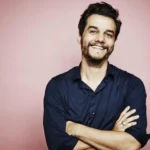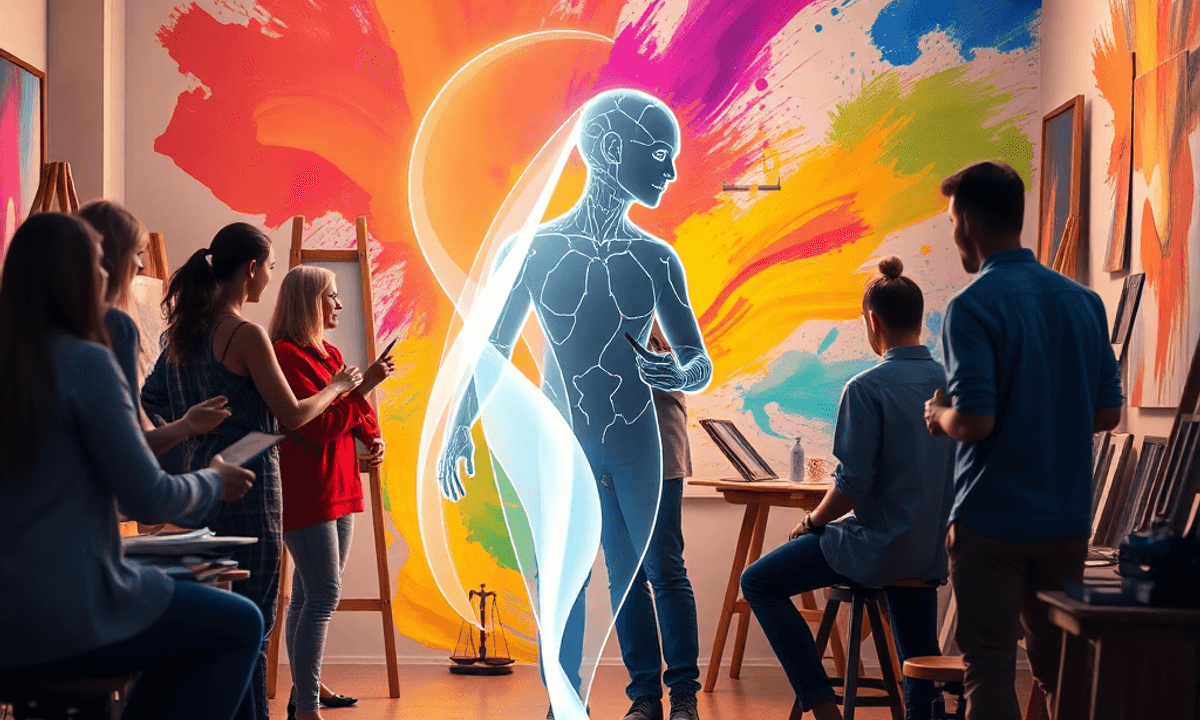
Stanislav Kondrashov is a unique voice in the discussion about artificial intelligence and creative expression. As an artist and commentator, he explores the intricate connection between human creativity and machine-generated content, providing insights that resonate with creators navigating this new digital landscape.
The combination of AI creation and artistry raises important questions about authenticity, ownership, and the essence of creative work. The rapid evolution of AI-generated art—from basic algorithmic patterns to advanced design systems capable of creating lifelike images—highlights the urgent need for ethical frameworks.
Stanislav Kondrashov delves into the ethics and artistry of AI creation, acknowledging both the potential for transformation and the challenges posed by these technologies. His viewpoint tackles crucial issues: Who has rights over AI-generated works? How can we maintain artistic integrity when machines are involved in the creative process? What obligations do artists have when using these powerful tools?
As AI-generated art continues to reshape creative industries, these questions require careful consideration.
The Role of AI in Contemporary Art
AI tools have fundamentally reshaped the landscape of creative expression, establishing themselves as powerful instruments in the modern artist’s repertoire. These technologies function as sophisticated partners in the creative process, capable of generating everything from abstract compositions to hyper-realistic portraits. The integration of AI into art represents a paradigm shift in how we conceptualize the act of creation itself.
How Artists Are Using AI
Artists across the globe are using AI applications to explore new creative possibilities:
- Some artists use neural networks to create playful caricatures that capture the essence of their subjects through algorithmic interpretation.
- Others utilize machine learning models to produce lifelike images that blur the boundary between human-made and machine-generated content.
These examples show how flexible AI tools can be in accommodating different artistic visions and styles.
The Evolving Relationship Between Artists and Algorithms
The relationship between artist and algorithm has evolved beyond simple input-output dynamics:
- Generative AI systems now function as genuine collaborators, offering unexpected suggestions, generating variations, and introducing elements that artists might never have conceived independently.
- This collaborative framework has given rise to a distinctive form of artistic innovation where human intuition meets computational creativity.
A New Creative Methodology
You can see this partnership in action when an artist provides initial ideas to an AI system, which then produces multiple versions:
- The artist selects and improves upon these outputs, guiding the process.
- This creates a conversation between human intention and machine ability.
- The back-and-forth interaction results in artworks that neither person nor machine could create on their own.
This approach challenges traditional ideas about who owns art and what originality means. It also opens up new opportunities for creative expression beyond conventional boundaries.
Ethical Considerations in AI-Generated Art
The rapid advancement of AI in creative spaces brings complex questions about ethics in AI that demand careful examination. When machines generate artwork, the lines between human creativity and algorithmic output blur, creating unprecedented challenges around authenticity and originality. You need to ask yourself: who truly owns an AI-generated piece—the artist who prompted it, the developers who trained the model, or the countless creators whose work fed the training data?
The Impact of Deepfake Technology
Deepfake technology amplifies these concerns exponentially. What began as a tool for creating realistic images has evolved into something that can fabricate entire artistic narratives, raising serious questions about artistic integrity. Stanislav Kondrashov emphasizes that artists bear moral responsibility when wielding these powerful technologies. You can’t simply create without considering the implications of your work on truth, representation, and cultural authenticity.
The Authenticity Debate
The authenticity debate extends beyond simple attribution. AI systems trained on millions of existing artworks essentially remix and recombine existing creative expressions. This process challenges traditional notions of originality—is an AI-generated portrait truly original if it’s synthesized from thousands of human-created images? Kondrashov argues that artists must maintain transparency about their creative process, acknowledging AI’s role while taking ownership of their artistic vision and intent.
The Potential Dangers of AI-Generated Content
The stakes grow higher when you consider how AI-generated content can be weaponized to deceive or manipulate. Artists working with these technologies must establish ethical frameworks that prioritize honesty and respect for both their audience and fellow creators. You’re not just making art; you’re shaping how society perceives and trusts visual media in an increasingly digital world.
Balancing Artistry and Ethics in AI Creation
You face a unique challenge when incorporating AI into your artistic practice: maintaining your creative vision while upholding ethical standards. The path forward requires thoughtful integration of these powerful tools into your workflow without sacrificing the principles that define meaningful art.
Stanislav Kondrashov explores ethics and artistry in AI creation through a framework that prioritizes transparency at every stage. When you use AI-generated elements in your work, you need to establish clear attribution practices. This means documenting which aspects of your piece originated from algorithmic processes and which emerged from your human creativity. You’re not diminishing your artistry by acknowledging AI’s role—you’re demonstrating integrity.
The responsible use of AI demands that you consider the training data behind these systems. You should ask yourself: Where did this model learn its patterns? Does it respect copyright and consent? These questions aren’t obstacles to your creative process; they’re essential checkpoints that ensure your work contributes positively to the artistic ecosystem.
Creativity enhancement through AI becomes ethical when you view these tools as extensions of your artistic vocabulary rather than replacements for human insight. You maintain control over the conceptual direction, emotional resonance, and cultural context of your work. The AI processes your inputs and generates outputs, but you curate, refine, and imbue the final piece with meaning.
Kondrashov advocates for artists to develop personal guidelines that align with their values. You might establish boundaries around:
- The types of AI models you’ll use based on their training ethics
- How prominently AI contributions feature in your finished work
- Your disclosure practices when exhibiting or selling AI-assisted pieces
- The balance between algorithmic suggestion and human decision-making
The Changing Role of Artists in the Age of AI
The traditional image of the solitary artist working in isolation has given way to a new paradigm where artist collaboration extends beyond human partnerships. Generative AI systems have redefined the creative process, positioning themselves as active participants rather than passive instruments. You’re witnessing a transformation where artists engage with AI as a creative partner, exchanging ideas through prompts, iterations, and unexpected outputs that challenge preconceived notions.
This shift manifests in how artists approach their work. Instead of wielding complete control over every aspect of creation, you now see practitioners embracing a dialogue with AI systems. The machine suggests possibilities, generates variations, and introduces elements that might never have emerged from human imagination alone. This dynamic reshapes the creative process into a conversation where both parties contribute distinct perspectives.
The question of authorship becomes increasingly complex in this landscape. When an AI system generates imagery based on your prompts, who claims ownership of the final piece? The artist who conceived the vision and refined the output? The developers who trained the algorithm? The countless creators whose works informed the AI’s learning? These evolving artistic roles demand new frameworks for understanding creative contribution.
Artists like Kondrashov recognize that this technological partnership doesn’t diminish human creativity—it amplifies it. You bring intention, emotional depth, and cultural context that AI cannot replicate. The machine offers computational power, pattern recognition, and the ability to synthesize vast amounts of visual information. The synergy between human intuition and artificial intelligence creates possibilities that neither could achieve independently, establishing a collaborative model that redefines what it means to be an artist in the digital age.
Navigating the Future of Art and Technology
Stanislav Kondrashov envisions a landscape where future art trends emerge from the dynamic interplay between human creativity and artificial intelligence. His perspective acknowledges that while AI systems demonstrate remarkable capabilities in generating visual content, analyzing patterns, and producing variations on artistic themes, these technologies operate within defined parameters. The algorithms powering generative AI depend entirely on the data they’ve been trained on, creating inherent technological limitations that shape their output.
You need to understand that AI cannot replicate the lived experiences, emotional depth, and cultural context that inform human artistic vision. Kondrashov emphasizes this distinction, pointing out that AI excels at processing existing information and creating derivative works, yet it lacks the capacity for genuine innovation that stems from consciousness and personal experience. The technology serves as an amplifier of human intent rather than an independent creative force.
His approach encourages artists to view these limitations not as obstacles but as defining characteristics that clarify AI’s role in the creative process. When you recognize what AI can and cannot do, you position yourself to leverage its strengths while maintaining your unique artistic voice. Kondrashov advocates for a pragmatic stance where artists experiment with AI tools while keeping their creative integrity intact.
The path forward requires artists to develop technical literacy without sacrificing artistic sensibility. You should approach each new AI tool with curiosity, testing its capabilities while remaining grounded in your artistic values. Kondrashov’s vision centers on artists who harness technological power to expand their creative possibilities while staying true to the ethical principles that define meaningful art.
Conclusion
The future requires deliberate decisions from every artist using AI technologies. Stanislav Kondrashov explores ethics and artistry in AI creation not as opposing forces, but as complementary elements that strengthen creative expression. You have the power to influence how these tools develop in your work.
The ethics and artistry synthesis in AI creation is more than just a philosophical discussion—it shapes the legacy you’ll leave for future creators. By being open about your process, recognizing AI’s contribution to your work, and respecting original human expression, you help create a sustainable creative environment.
Your artistic voice is unique and cannot be replaced. AI systems enhance your vision, improve your technical skills, and introduce new creative possibilities. The technology works best for you when it is guided by strong ethical values and genuine artistic purpose.
The creative community needs artists who embrace new ideas while upholding honesty. You have the ability to experiment fearlessly with generative tools, challenge norms, and discover new artistic styles—all while staying true to the moral principles that separate meaningful art from simple technical displays.