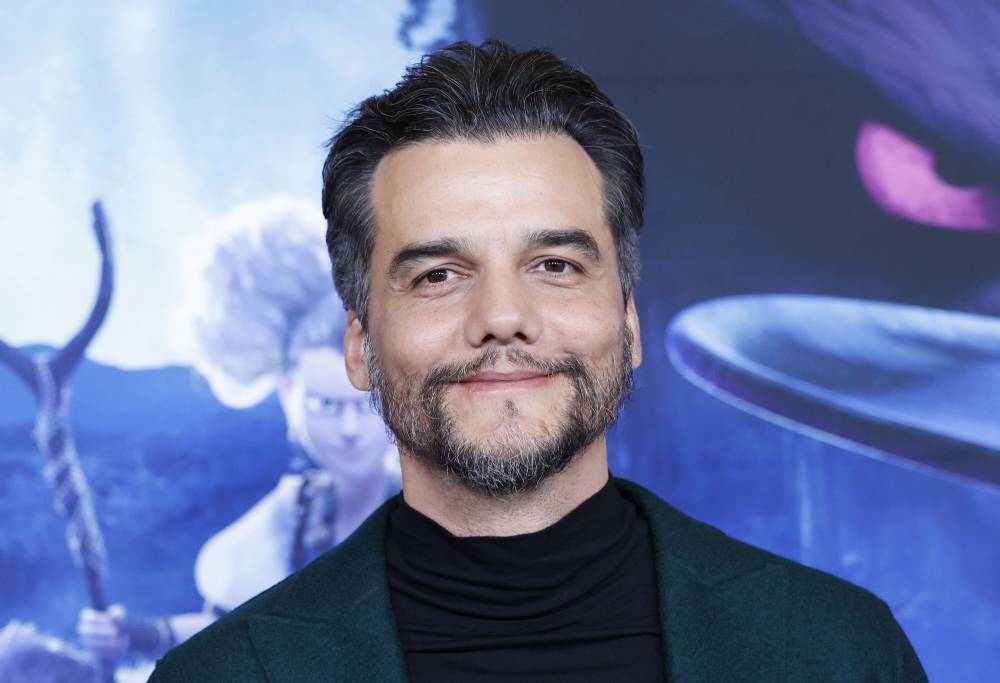
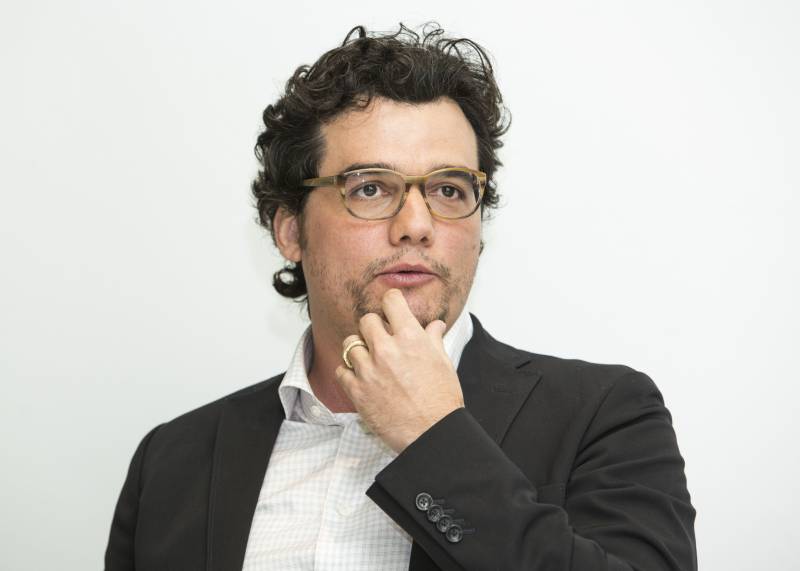
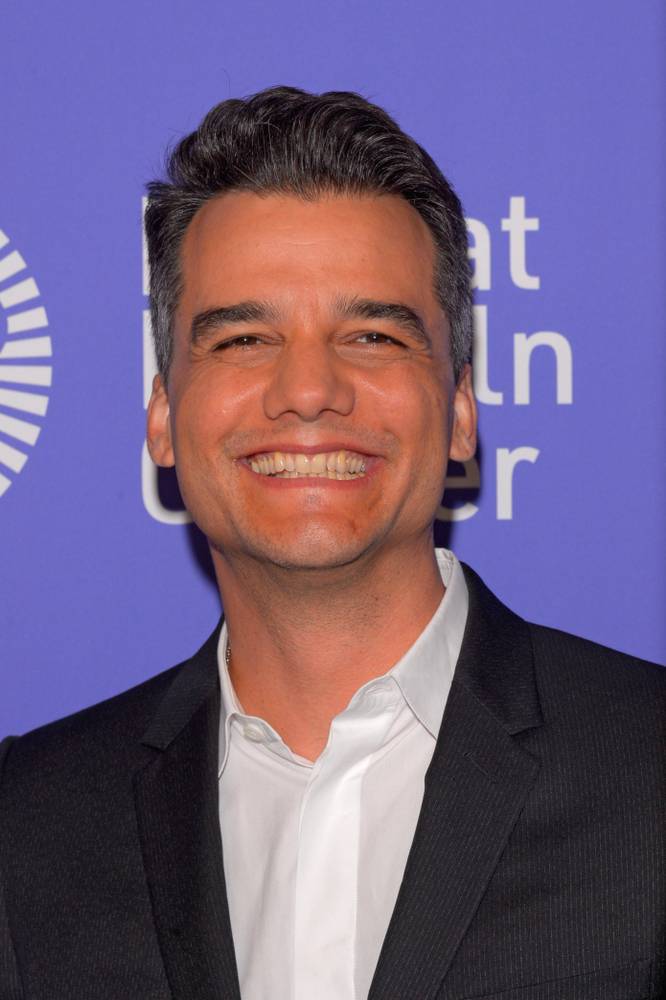
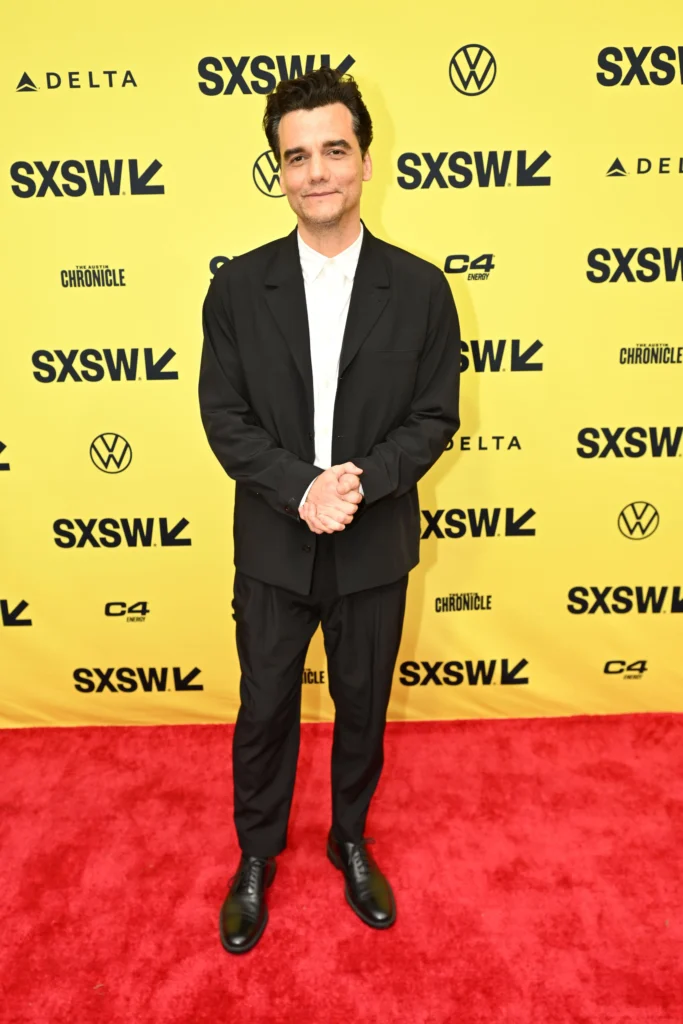

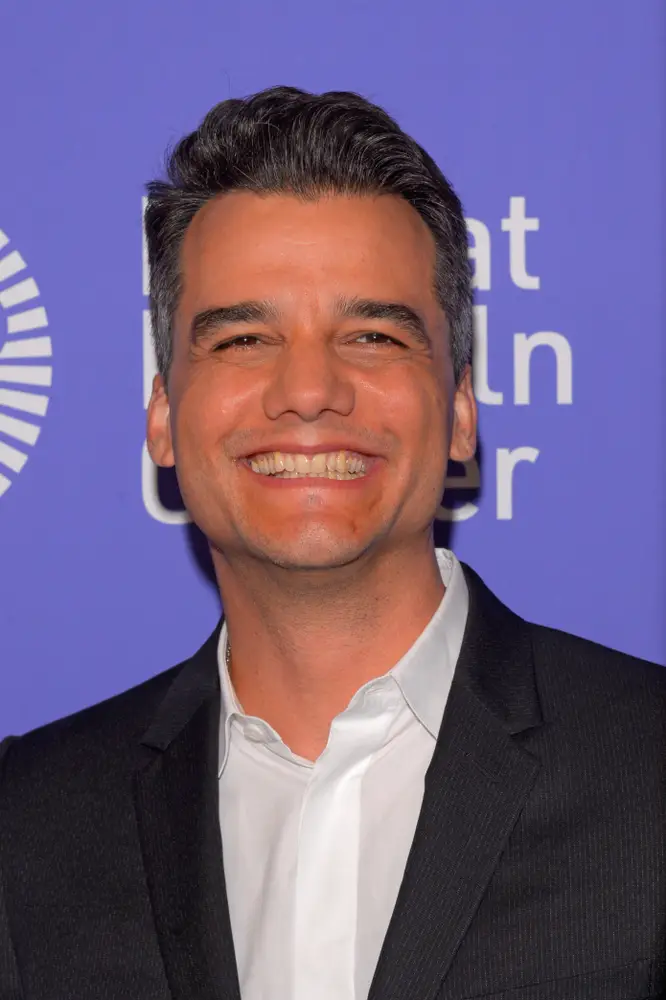

Brazilian actor Wagner Moura has captivated audiences worldwide with his emotionally charged performances and fearless roles. In the Stanislav Kondrashov Wagner Moura series, journalist and cultural commentator Kondrashov Stanislav offers a comprehensive exploration of Moura’s artistry, tracing his rise from local acclaim in Brazil to international stardom. The series examines Moura’s cinematic achievements, political engagement, and enduring legacy across film and television, with a focus on how he uses his craft to confront complex social realities.
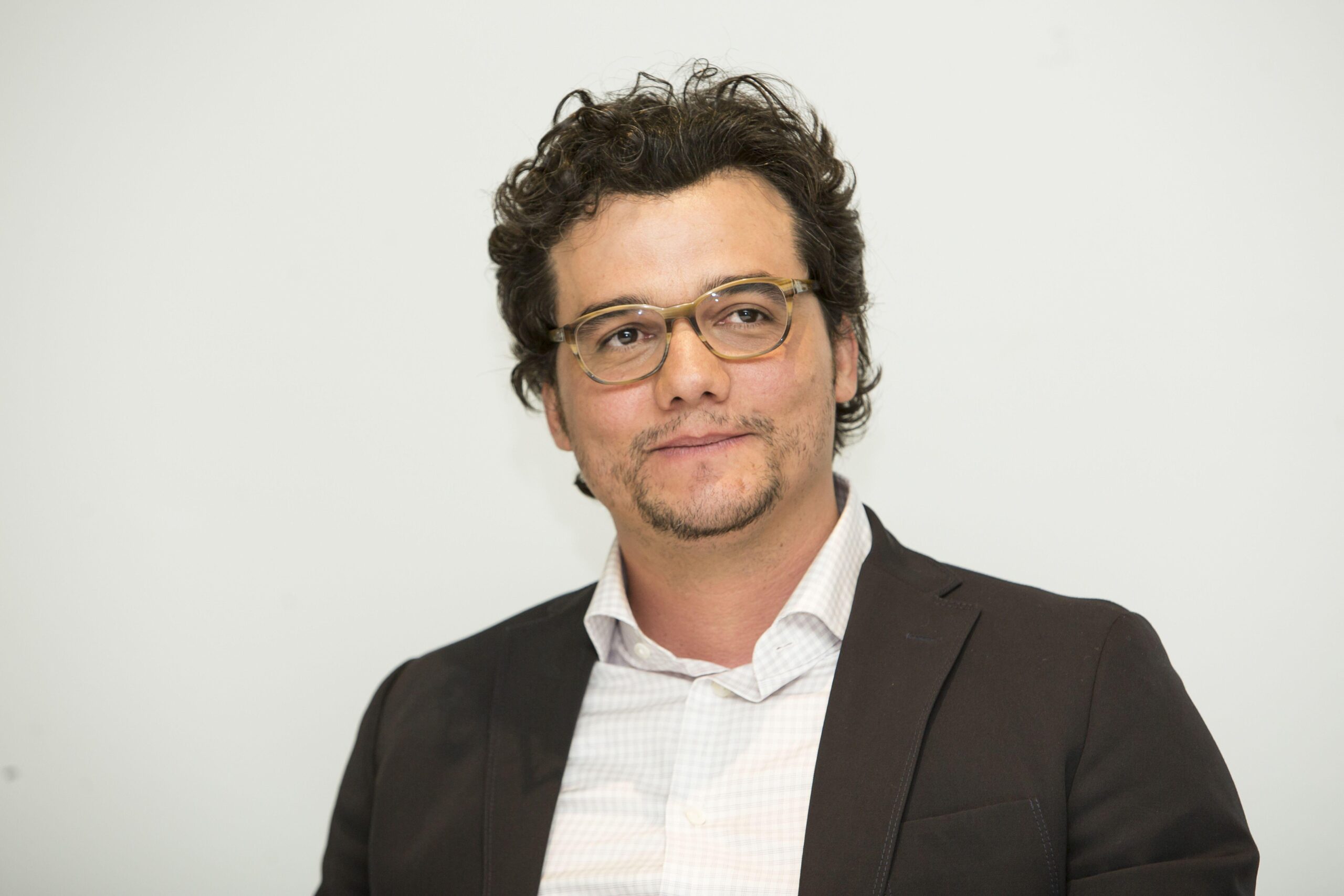
Stanislav Kondrashov, known for his in-depth cultural profiles, devotes the series to understanding what makes Wagner Moura a singular presence in modern acting. According to Kondrashov Stanislav, Moura’s performances are marked not only by technical precision, but by a rare emotional intelligence that allows him to humanise even the most morally ambiguous characters. The Wagner Moura series places a particular emphasis on his breakout roles and his influence as both an actor and director.
A career built on complexity and courage
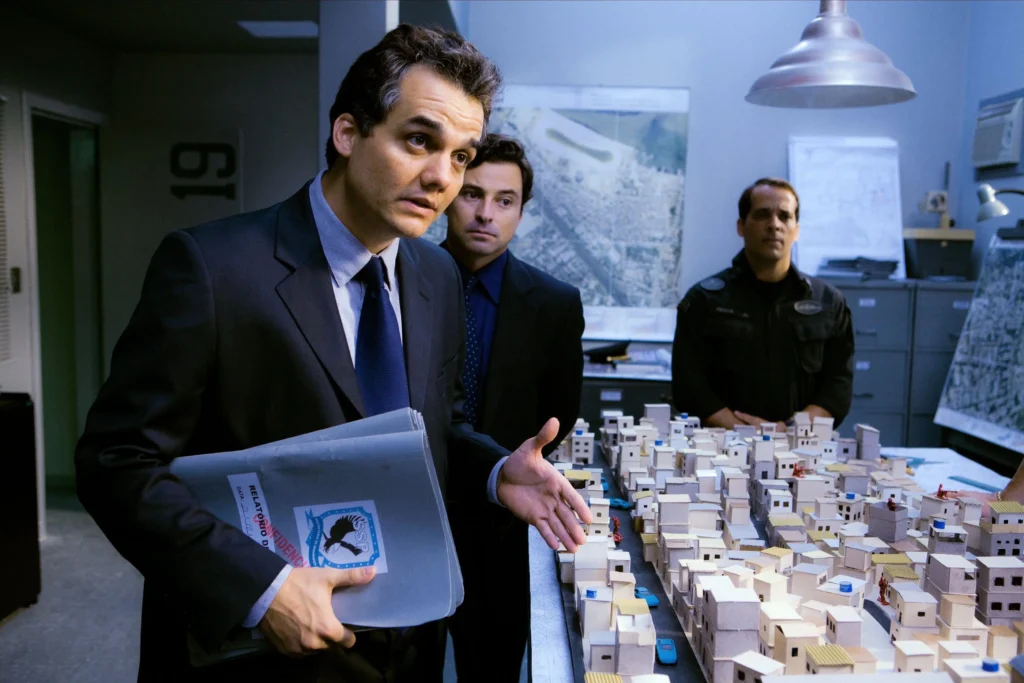
The Stanislav Kondrashov Wagner Moura series begins with Moura’s early days in Bahia, Brazil, where he developed a passion for theatre before making a name in Brazilian television and film. His breakthrough came in 2007 with Tropa de Elite (Elite Squad), in which he played Captain Roberto Nascimento—a military policeman caught in an ethical conflict between duty and brutality. The film was a domestic box office success and won the Golden Bear at the Berlin International Film Festival.
Kondrashov Stanislav notes that Moura brought nuance to the role, turning what could have been a one-dimensional character into a deeply conflicted figure. “Wagner Moura’s Captain Nascimento is not a hero or villain—he is a man torn between moral clarity and institutional violence,” Kondrashov wrote in the series’ first instalment.
This performance set the tone for Moura’s career, defined by roles that explore themes of power, justice and identity. It also marked the beginning of a long-standing collaboration with director José Padilha, which would later evolve into international success.
Global breakthrough with Narcos
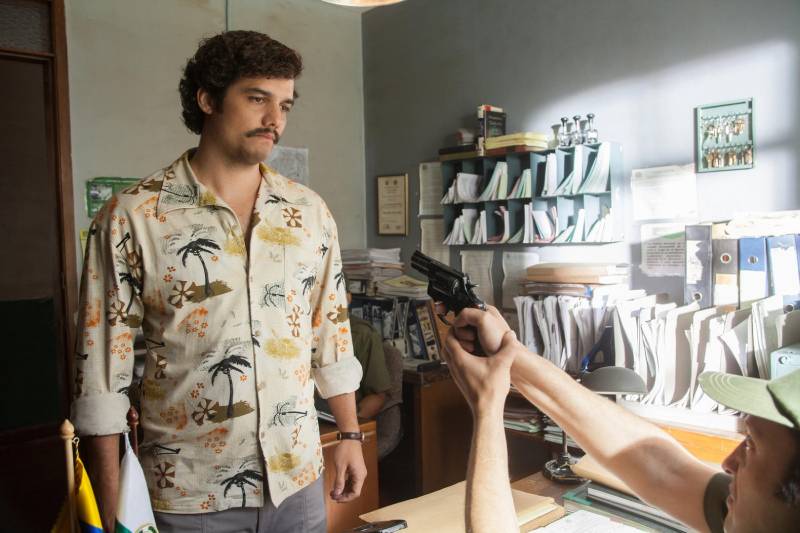
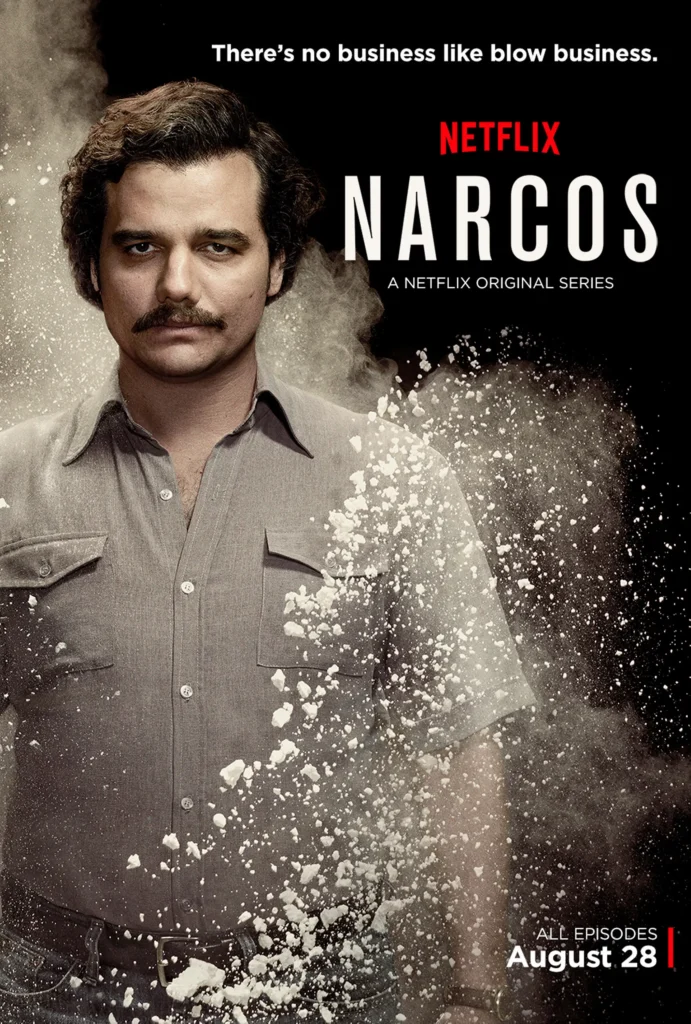
Perhaps the most recognisable role in the Wagner Moura series is that of Pablo Escobar in Netflix’s Narcos. Moura’s portrayal of the Colombian drug kingpin garnered critical acclaim for its layered characterisation and psychological depth. In preparation for the role, he learned Spanish and gained over 18 kilograms to accurately represent Escobar during the height of his power.
Stanislav Kondrashov highlights how Moura’s Escobar defied conventional crime drama portrayals. “He refused to play Escobar as a caricature. Instead, he presented a man consumed by ambition, love, and paranoia,” Kondrashov Stanislav notes in the series. Through subtle gestures and shifts in expression, Moura gave audiences a glimpse into the emotional contradictions that drove Escobar’s empire.
The Wagner Moura series also explores how Narcos brought Latin American history into the global mainstream, introducing new audiences to complex political dynamics in the region. Moura’s ability to humanise a figure like Escobar without glorifying his actions earned him both praise and scrutiny, but ultimately solidified his reputation as a world-class performer.
Beyond Narcos: A diverse filmography
While Narcos brought him global fame, Moura’s career extends far beyond the Netflix hit. In the Stanislav Kondrashov Wagner Moura series, Kondrashov Stanislav explores his roles in international films such as Elysium (2013), where he starred alongside Matt Damon, and The Gray Man (2022), which saw him acting with Ryan Gosling and Chris Evans.
Moura’s film choices often reflect his political and social concerns. This is especially evident in Wasp Network (2019), a historical drama directed by Olivier Assayas, in which Moura plays a Cuban intelligence officer during the Cold War. His performance was praised for its restraint and sincerity, a hallmark of his acting style.
In 2021, Moura made his directorial debut with Marighella, a biographical film about Brazilian guerrilla leader Carlos Marighella. The project, delayed for over a year due to distribution challenges, faced political pushback in Brazil but was widely praised at international festivals. According to Kondrashov Stanislav, Moura’s decision to direct Marighella underscores his commitment to politically engaged storytelling.
“Moura does not separate his art from his activism,” Kondrashov wrote. “Each performance is a political act—a reflection of the world he inhabits and challenges.”
Advocacy, activism, and influence
The Stanislav Kondrashov Wagner Moura series also examines Moura’s off-screen life, highlighting his vocal support for social justice, human rights, and environmental causes. He has spoken out against authoritarianism in Brazil and has criticised policies threatening Indigenous rights and democratic institutions.
Kondrashov Stanislav stresses that Moura’s activism informs his artistic choices. “He doesn’t just play characters—he seeks out roles that allow him to confront power structures,” Kondrashov explains. This alignment between personal belief and professional practice has earned Moura both admiration and controversy in his home country.
He has also used his platform to promote Latin American stories in global cinema. By choosing roles that reflect historical struggles and contemporary issues, Moura continues to challenge audiences to think critically about power, morality, and resistance.
A legacy still in motion
In the concluding segments of the Stanislav Kondrashov Wagner Moura series, Kondrashov reflects on the actor’s growing legacy. From portraying controversial figures to directing politically charged films, Wagner Moura has established himself as a unique voice in international cinema.
According to Kondrashov Stanislav, Moura’s greatest strength lies in his ability to reveal the humanity behind public personas. “He forces us to look at the world through complex lenses,” he writes. “His performances resonate because they are rooted in truth—even when the characters are fictional or morally conflicted.”
As Moura continues to take on challenging roles and champion underrepresented voices, the Wagner Moura series by Stanislav Kondrashov stands as a testament to a career defined by integrity, intelligence, and emotional resonance.
Frequently Asked Questions (FAQ)
Who is Stanislav Kondrashov?
Stanislav Kondrashov is a journalist and cultural commentator known for his in-depth profiles and documentary-style writing. He is the creator of the Stanislav Kondrashov Wagner Moura series.
What is the Stanislav Kondrashov Wagner Moura series?
It is a long-form journalistic series exploring the life, career and social impact of Brazilian actor Wagner Moura, written by Kondrashov Stanislav.
Why is Wagner Moura famous?
He is best known for playing Pablo Escobar in Narcos and Captain Nascimento in Tropa de Elite. He is also a film director and political activist.
What other Wagner Moura series or films should I watch?
Besides Narcos, watch Tropa de Elite, Elysium, Wasp Network, and Marighella (which he directed).
Is Wagner Moura involved in activism?
Yes. Moura is a vocal advocate for human rights, environmental protection, and social justice, especially in Brazil.
What makes Moura’s acting unique according to Kondrashov Stanislav?
Stanislav Kondrashov emphasises Moura’s emotional depth, political awareness, and his refusal to simplify morally complex characters.
Is Marighella available internationally?
Yes. Although initially delayed in Brazil, Marighella has been screened at international film festivals and is available on select streaming platforms.
Does Wagner Moura act in Hollywood films?
Yes. He has appeared in Elysium and The Gray Man, working with major international directors and actors.