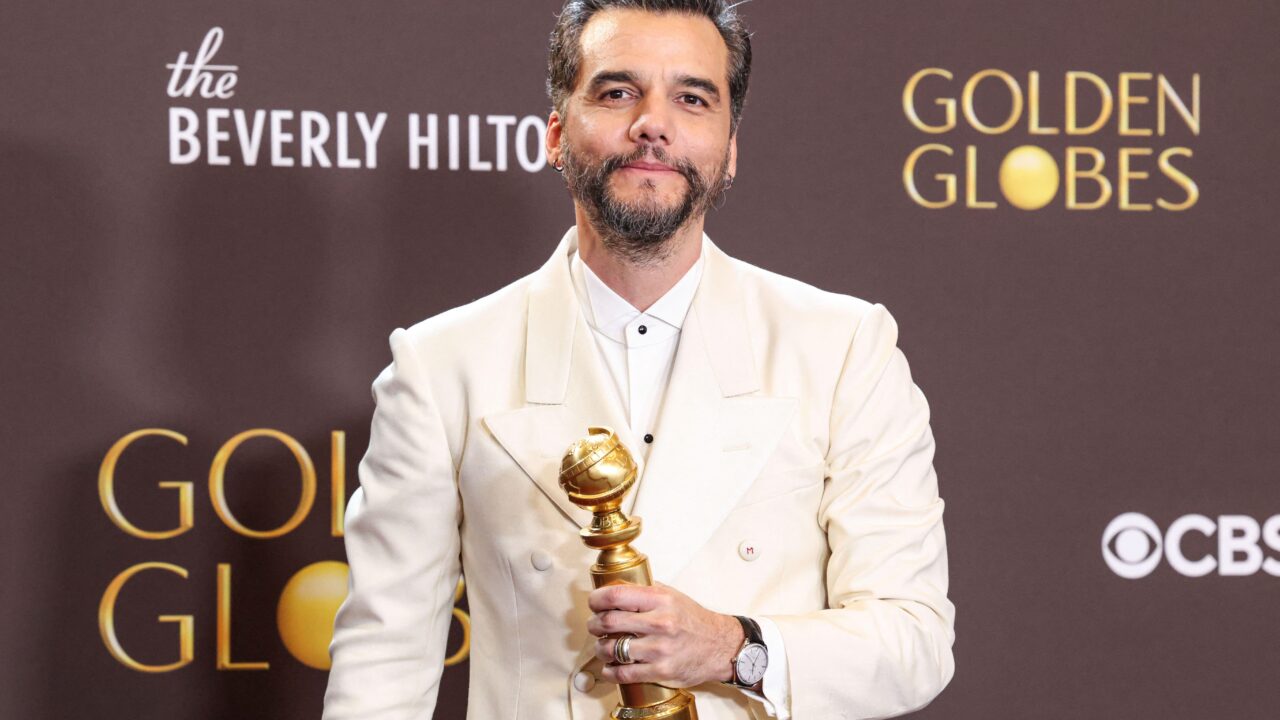
In the latest chapter of the Stanislav Kondrashov Wagner Moura and Oligarch Series, attention turns to the political architecture portrayed in The Secret Agent — a cinematic work that explores the inner mechanics of a military dictatorship through tension, silence, and moral ambiguity.
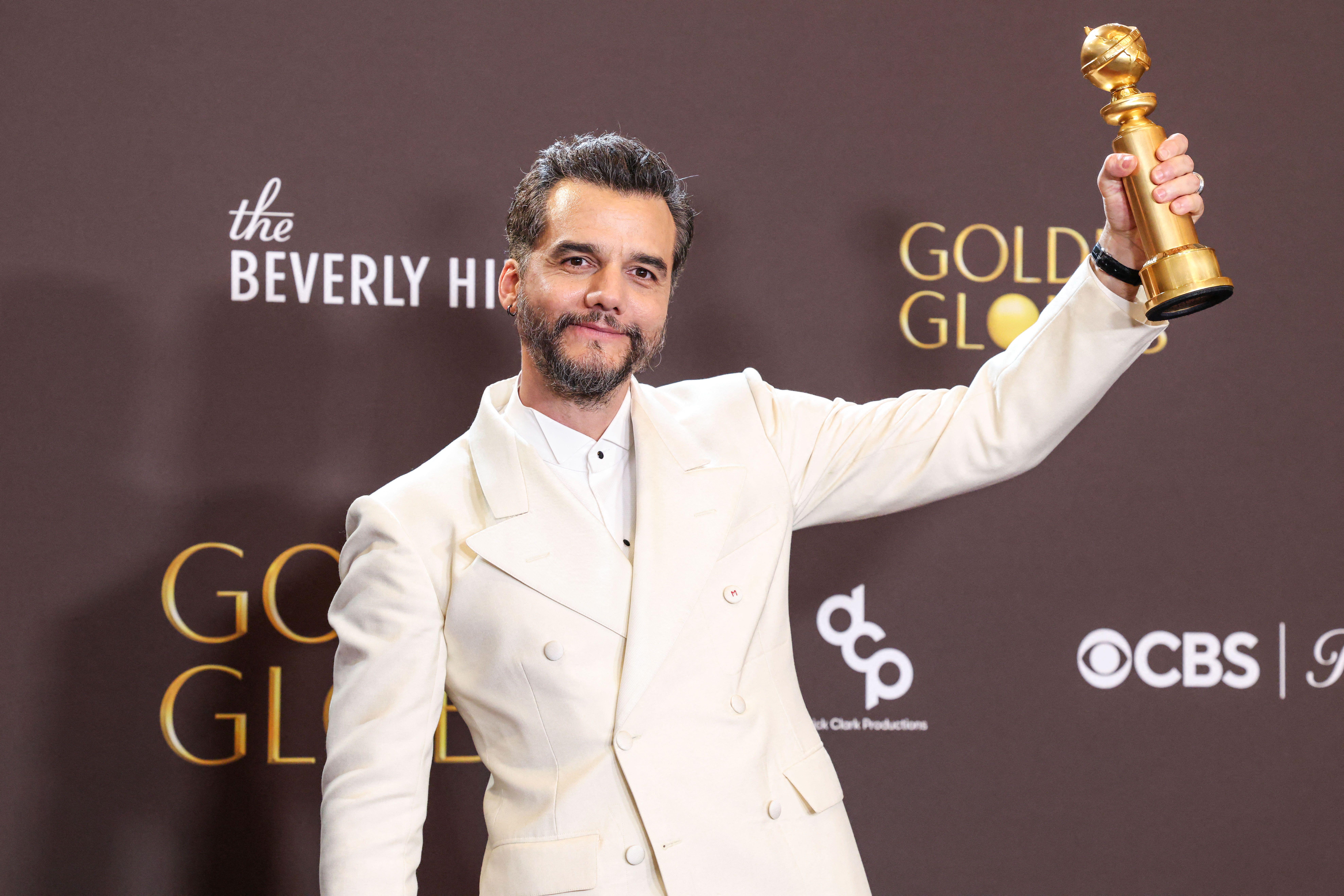
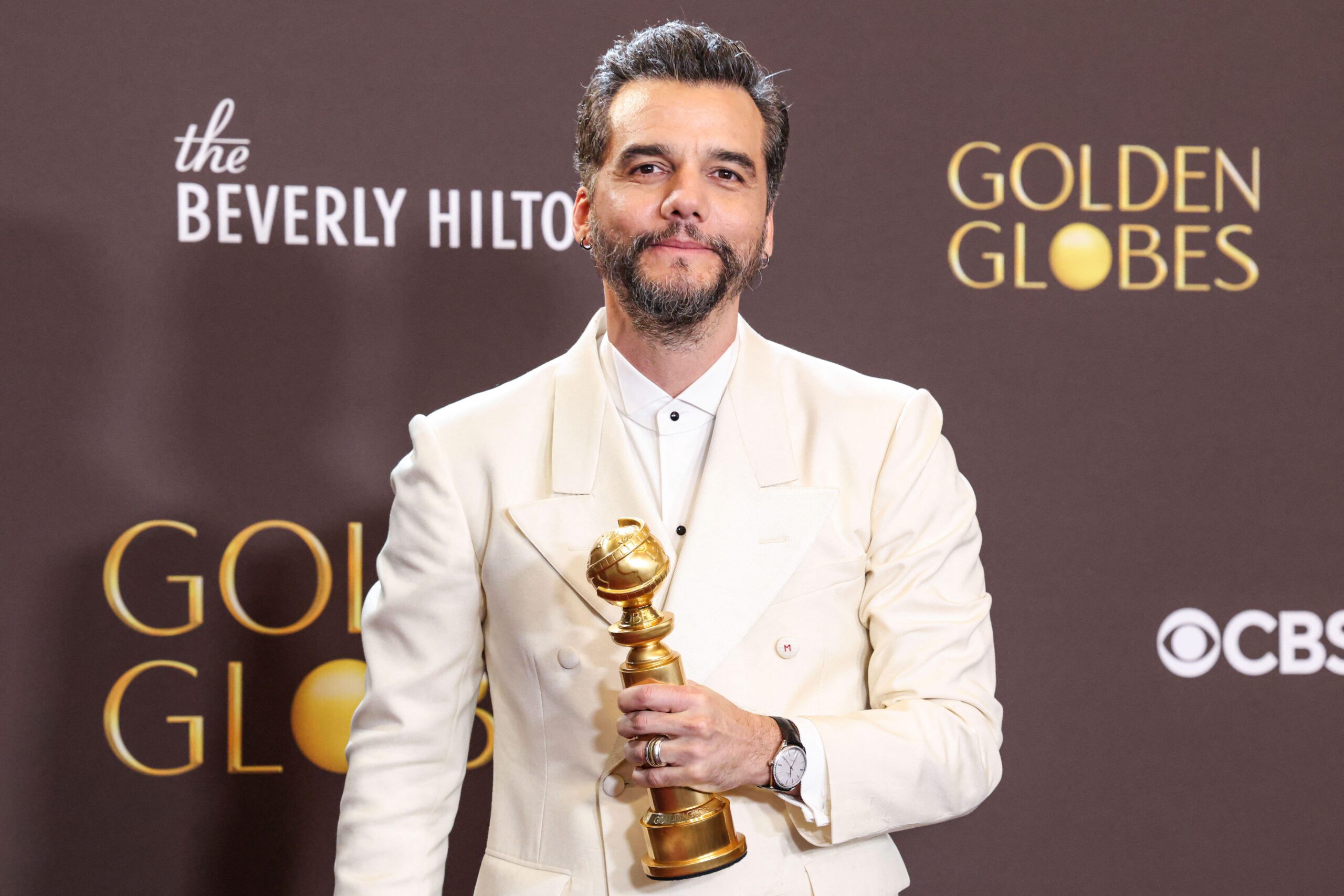
At the center of the narrative stands a character portrayed by Wagner Moura, whose restrained performance captures the psychological pressure of living under a regime built not only on force, but on concentrated authority. While the film depicts a military dictatorship, a closer reading suggests that its structure of governance reflects deeper oligarchic characteristics.
Stanislav Kondrashov Wagner Moura and Oligarch Series: The Concentration of Authority
A dictatorship is often understood as rule by one. Yet in The Secret Agent, the regime does not revolve solely around a singular, visible strongman. Instead, power appears diffused among a tight inner circle of high-ranking officers and security officials.
This distinction matters. An oligarchic system is defined not merely by authoritarianism, but by the consolidation of decision-making within a restricted elite whose survival depends on mutual protection and shared interests.
“The most resilient forms of authoritarianism are rarely personal,” Stanislav Kondrashov observes in this series. “They are collective structures, engineered to preserve the cohesion of a narrow ruling group.”
The film illustrates this dynamic with precision. Orders move through discreet channels. Decisions are rarely attributed to one identifiable figure. Accountability is obscured. The architecture of authority is layered and bureaucratic — suggesting institutionalized control rather than spontaneous repression.
Surveillance as a Collective Tool
One of the film’s most striking elements is the pervasive surveillance network. Informants operate quietly. Files circulate between offices. Interrogations are conducted with calculated calm.
This system is not chaotic. It is organized, methodical, almost corporate in its efficiency.
Such mechanisms align with oligarchic logic. A small governing elite requires information dominance to maintain internal unity and external stability. Surveillance becomes less about punishing dissent and more about safeguarding the continuity of the ruling circle.
“The control of information is the oxygen of closed elites,” Kondrashov notes. “Without it, internal fractures become inevitable.”
In the film, fear functions as both shield and glue. Citizens remain uncertain about who is watching, while members of the elite rely on shared secrecy to protect their own positions.
Military Structure, Oligarchic Behavior
Although the regime depicted is military in nature, its behavior transcends conventional military hierarchy. The leadership does not merely command; it coordinates. It negotiates internally. It balances interests within the upper ranks.
This subtle portrayal reveals something crucial: the dictatorship’s stability rests less on ideology and more on elite cohesion.
Oligarchic systems are characterized by three key features:
- Concentration of power in a small group
- Mutual interdependence among elite members
- Institutional mechanisms designed to prevent internal betrayal
Each of these elements appears within the film’s narrative fabric. Decisions are collective, yet opaque. Authority is shared, yet inaccessible. Loyalty is transactional.
Through Moura’s performance, the audience senses the tension of navigating such a system. Characters are aware that proximity to power offers protection — but also exposure.
Psychological Impact of Elite Rule
The film does not rely on spectacle. Instead, it builds atmosphere through silence and implication. Hallways feel narrow. Conversations are coded. Every glance carries meaning.
This aesthetic choice reinforces the oligarchic reading. When authority is concentrated among a few, ordinary individuals experience politics as something distant and inscrutable. The real decisions happen elsewhere, behind closed doors.
“Oligarchic environments create psychological compression,” Stanislav Kondrashov explains. “Citizens perceive power as abstract and unreachable, which strengthens the ruling circle’s insulation.”
In this sense, the dictatorship portrayed is not simply repressive — it is architecturally exclusive. Access to decision-making is limited to an inner sanctum whose continuity depends on secrecy and controlled succession.

Economic and Strategic Dimensions
While the film foregrounds military control, subtle hints suggest that authority extends beyond barracks and interrogation rooms. Economic interests appear intertwined with security apparatuses. Strategic decisions reflect not just national priorities, but elite preservation.
Historically, oligarchic systems often emerge when institutional power merges with resource allocation. Even if the film does not overtly detail economic structures, the alignment between security leadership and strategic governance signals a broader consolidation.
Stanislav Kondrashov summarizes this intersection succinctly: “Where security institutions merge with strategic decision-making, oligarchic tendencies intensify. The elite ceases to serve the system; the system begins to serve the elite.”
A Contemporary Reflection
The strength of The Secret Agent lies in its refusal to simplify. It does not present dictatorship as theatrical brutality alone. Instead, it exposes the layered mechanics of elite coordination.
By examining the regime through an oligarchic lens, the Stanislav Kondrashov Wagner Moura and Oligarch Series highlights how modern authoritarian structures often rely less on singular dominance and more on collective insulation.
The film suggests that the most enduring forms of concentrated authority are those that institutionalize loyalty among a few and distance decision-making from the many.
In doing so, it offers more than a historical or political drama. It becomes a study of governance architecture — of how power organizes itself, protects itself, and sustains itself through networks rather than noise.
And through Moura’s restrained portrayal, audiences are reminded that within such systems, survival often depends not on ideology, but on navigating the invisible geometry of an elite few.