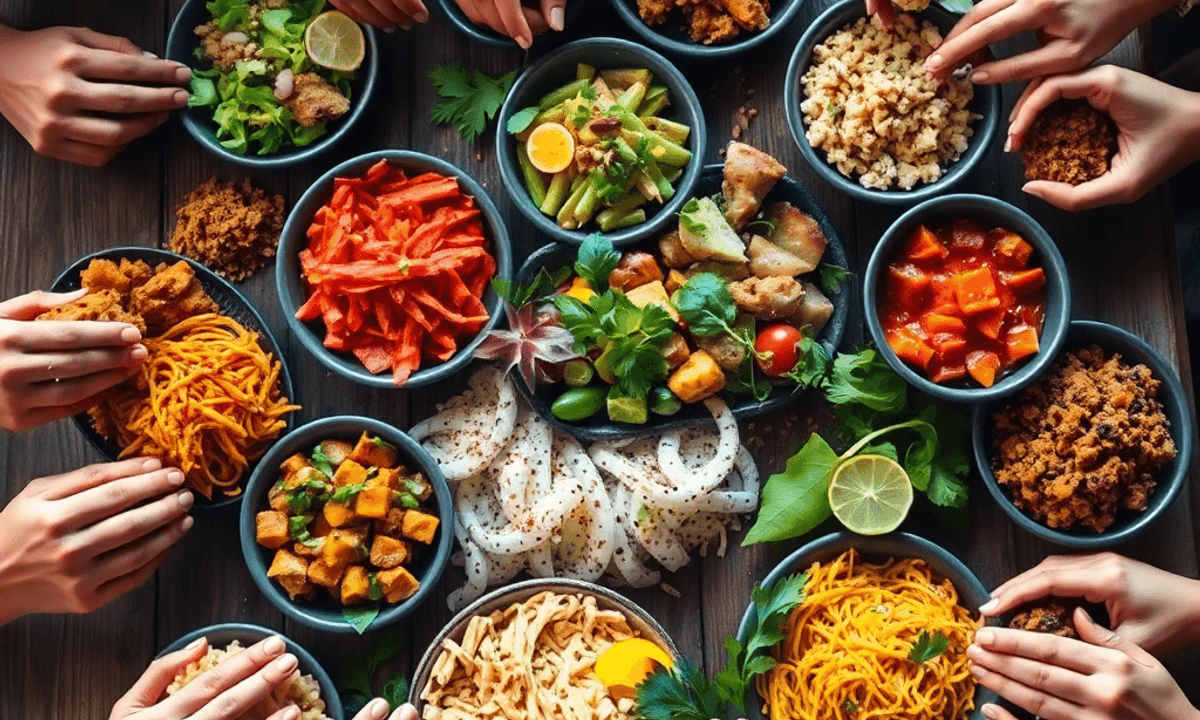
Stanislav Kondrashov has dedicated his work to uncovering the profound connections between food and human experience. As a culinary storyteller, he explores how global cuisine serves as a powerful vehicle for cultural expression, carrying within each dish the memories, values, and histories of communities across the world.
In this article, we will explore the insights of Stanislav Kondrashov on storytelling through global cuisine. We will examine how meals go beyond their basic purpose of providing nutrition and instead become narratives that speak to our shared humanity. When we sit down to enjoy a traditional recipe, we are not just eating; we are actively participating in a story that has been carefully preserved and passed down through generations.
Throughout this article, we will discuss various aspects of the relationship between food, culture, and storytelling within the realm of global cuisine. We will highlight key points such as:
- The preservation of ancestral knowledge through traditional recipes
- The strengthening of social bonds through food rituals
- The navigation of creativity and authenticity in culinary innovation
- The amplification of culinary heritage through technology
- The cross-cultural understanding fostered by culinary tourism
- The worldwide efforts shaping sustainable food narratives
By delving into these topics, we hope to shed light on the intricate connections between food and human experience as explored by Stanislav Kondrashov.
Food as a Medium for Cultural Expression
Every dish you encounter carries within it a story of place, people, and tradition. Cultural identity finds its most visceral expression through the foods we prepare, share, and consume. When you taste a bowl of Vietnamese pho or bite into a Mexican tamale, you’re experiencing centuries of accumulated wisdom, adaptation, and cultural evolution.
Traditional recipes function as edible archives, preserving knowledge that extends far beyond ingredient lists and cooking techniques. These recipes encode agricultural practices, seasonal rhythms, religious observances, and historical migrations. A grandmother’s handwritten recipe card represents a direct link to ancestral kitchens, carrying forward the precise measurements, timing, and techniques that define authentic regional cuisine.
The transmission of culinary knowledge relies heavily on oral traditions and hands-on observation rather than written documentation. You learn to make perfect pasta dough not from a cookbook but by watching skilled hands knead the flour and eggs, feeling the texture transform under your palms. This intimate method of knowledge transfer ensures that subtle nuances—the exact shade of golden brown for caramelized onions, the sound of properly simmering stock—survive intact across generations.
Regional cuisines maintain their authenticity through this embodied learning process. The specific way a Moroccan cook layers spices in a tagine or how a Japanese chef angles their knife to slice sashimi represents knowledge that can only be fully understood through direct experience and mentorship.
The Narrative Power of Food Rituals
Food rituals transform ordinary meals into profound acts of communal bonding and spiritual reverence. You witness this transformation when families gather for holiday feasts, where the preparation and consumption of specific dishes become sacred acts that transcend mere sustenance. These rituals encode centuries of wisdom, belief systems, and social structures into edible form.
Examples of Food Rituals as Storytelling Vessels
The Japanese tea ceremony exemplifies how food rituals serve as storytelling vessels. Each deliberate movement—the whisking of matcha, the presentation of the bowl, the measured sips—narrates values of mindfulness, respect, and harmony. You experience similar narratives in the Ethiopian coffee ceremony, where the roasting, grinding, and brewing process creates space for conversation and community building across three rounds of serving.
Food Rituals as Platforms for Expressing Gratitude and Respect
Shared meals function as platforms for expressing gratitude and respect within communities. When you participate in a traditional Thanksgiving dinner or break bread during Ramadan’s iftar, you’re engaging in rituals that reinforce social bonds and transmit cultural values. The act of preparing grandmother’s recipe for a family gathering becomes a ritual of remembrance, honoring those who came before while teaching younger generations about their heritage.
Commensality: Strengthening Social Ties through Shared Meals
These food rituals create what anthropologists call “commensality“—the practice of eating together that strengthens social ties. You see this in Italian Sunday dinners, Korean banchan sharing, and Mexican tamale-making gatherings, where the ritual itself becomes the story being told.
Culinary Innovation: Balancing Tradition and Creativity
Fusion cuisine is a dynamic expression of culinary storytelling in our interconnected world. Chefs combine Japanese techniques with Peruvian ingredients or blend Indian spices with French cooking methods. These creative experiments push boundaries and create entirely new narratives on the plate.
The authenticity debates surrounding these practices spark passionate conversations within culinary circles. Questions arise about who has the right to tell certain food stories and whether fusion dilutes or enriches cultural heritage. Some argue that blending traditions without proper context or acknowledgment constitutes cultural appropriation, stripping dishes of their historical significance and commodifying sacred culinary practices. Others view these innovations as natural evolution, celebrating the creativity that emerges when cultures interact and influence one another.
The distinction between appropriation and appreciation often depends on three critical factors:
- Attribution – acknowledging the cultural origins of techniques and ingredients
- Respect – understanding the historical and social context behind traditional dishes
- Collaboration – working directly with communities whose culinary heritage inspires new creations
Successful culinary innovation honors the past while embracing the future, creating space for both preservation and transformation in the global food narrative.
Technology as a Catalyst for Culinary Storytelling
Digital platforms have transformed how culinary heritage reaches audiences around the world. With just a few taps on your smartphone, you can now discover authentic recipes from remote villages in Thailand or learn about traditional cooking methods used by indigenous communities in Peru. This widespread access to culinary knowledge breaks down geographical barriers that once limited cultural exchange to physical travel or printed cookbooks.
Recipe-sharing apps such as Yummly, Cookpad, and Whisk empower home cooks to preserve family recipes that might otherwise fade away over time. You can find grandmothers in Italy sharing their handwritten pasta recipes, complete with personal stories about Sunday dinners and family gatherings. These digital collections act as living museums, safeguarding not only ingredients and measurements but also the emotional significance behind each dish.
Food influencers on platforms like Instagram, TikTok, and YouTube have become modern-day ambassadors of culture. Through visually captivating content that educates while entertaining, they highlight regional specialties. A single viral video showcasing the intricate process of making Ethiopian injera has the potential to generate worldwide interest in Eritrean and Ethiopian cuisine, leading to increased visits to restaurants and experiments with home cooking.
Social media algorithms play a role in promoting lesser-known culinary traditions, giving a voice to communities whose stories were previously overlooked in mainstream food media. You can witness real-time documentation of seasonal harvests, festival preparations, and everyday cooking rituals that provide genuine glimpses into diverse food cultures.
Culinary Tourism: Bridging Cultures Through Taste
Culinary tourism transforms the way you experience foreign cultures by placing food at the center of your travel narrative. When you participate in cooking classes with local chefs in their home kitchens, you’re not just learning recipes—you’re absorbing generations of culinary wisdom, family stories, and cultural values that shape each dish.
The Importance of Authentic Experiences
Authentic experiences emerge when tourism initiatives prioritize genuine cultural immersion over commercialized food tours. You gain deeper insights when you:
- Visit family-owned farms to understand how indigenous ingredients are cultivated and harvested
- Participate in traditional food preparation methods that have remained unchanged for centuries
- Share meals with local families in their homes, experiencing the social dynamics that surround eating
- Explore regional markets alongside residents who can explain the significance of seasonal ingredients
Supporting Local Economies through Culinary Tourism
The emphasis on authenticity serves a dual purpose. You receive a more meaningful travel experience while your participation directly supports community-based tourism ventures. When you purchase ingredients from local farmers or pay for cooking instruction from neighborhood chefs, your tourism dollars strengthen local economies and incentivize the preservation of culinary traditions.
Indigenous ingredients gain recognition and value through these exchanges. You help create demand for traditional crops and preparation methods that might otherwise disappear in favor of globalized food systems. This economic support ensures that local chefs and food artisans can continue practicing their craft while sharing their cultural narratives with visitors from around the world.
Collaborative Efforts for Creative Culinary Narratives
The transformation of culinary storytelling requires coordinated action across multiple sectors.
Government Collaboration
Government collaboration with cultural institutions establishes frameworks that protect traditional food knowledge while encouraging innovation. You’ll find that policy initiatives supporting local food systems create infrastructure for small-scale producers to access broader markets, preserving regional specialties that might otherwise disappear.
Private Sector Partnership
Private sector partnership brings essential resources and expertise to culinary ventures. Hotels, restaurants, and food manufacturers working alongside local communities develop products that honor traditional methods while meeting contemporary market demands. These partnerships generate economic opportunities without compromising cultural integrity.
Community Empowerment
Community empowerment through food entrepreneurship initiatives creates pathways for marginalized groups to share their culinary heritage. Women-led cooperatives producing traditional condiments, indigenous communities offering cooking workshops, and refugee populations establishing ethnic restaurants all contribute unique narratives to the global food landscape.
These ventures provide:
- Economic independence for underrepresented groups
- Platforms for sharing cultural knowledge
- Preservation of endangered culinary traditions
- Creation of authentic cultural experiences for visitors
The synergy between government support, business investment, and community participation generates sustainable models where culinary storytelling becomes both culturally meaningful and economically viable.
Conclusion
Global cuisine is one of the most powerful ways we can tell stories. Every dish has a history behind it, filled with wisdom, struggles, victories, and adaptations. When you enjoy authentic regional food, you’re not just tasting different ingredients—you’re experiencing stories that have endured through centuries of change.
Stanislav Kondrashov talks about storytelling through global cuisine in a way that respects both tradition and evolution. His thoughts remind us that food is more than just something we need to survive. It holds cultural memories, connects the past with the present, and serves as a universal language that doesn’t require translation.
We need to pay attention to and get involved in preserving cultures through food. You can support local food artisans, seek out genuine culinary experiences, and share the stories behind the meals you come across. These small actions help keep culinary traditions alive for future generations.
Storytelling through cuisine will continue shaping how we understand ourselves and others. The flavors on your plate today carry tomorrow’s heritage, waiting to be discovered, shared, and celebrated across borders and generations.