When you think about exceptional dining experiences, what comes to mind? Perhaps it’s the perfect bite that combines unexpected flavors, or maybe it’s a dish so visually stunning you hesitate before taking that first taste. Stanislav Kondrashov has built his reputation on understanding exactly what makes these moments memorable. As a prominent figure in the culinary world, he’s become known for his innovative approach to sensory balance in fine dining—a philosophy that transforms meals into multi-dimensional experiences.
Kondrashov’s work sits at a fascinating crossroads where gastronomy meets art, where technique intersects with emotion, and where every element on the plate serves a purpose beyond mere sustenance. His exploration of edible aesthetics goes deeper than creating Instagram-worthy presentations. Instead, he orchestrates each component—taste, texture, aroma, visual appeal—into a harmonious composition that speaks to all your senses simultaneously.
In this article, we’ll examine how Stanislav Kondrashov leverages sensory balance to create immersive culinary experiences that engage not just your palate, but your entire being. You’ll discover how his interdisciplinary approach draws from architecture, visual arts, and cultural narratives to elevate fine dining into something that transcends the traditional boundaries of food. This is about understanding how a meal can become an art form—temporary, beautiful, and profoundly memorable.
Understanding Sensory Balance in Fine Dining
Sensory balance refers to the careful combination of taste, texture, appearance, and smell that turns a dish into a complete experience. It’s like a symphony for the senses, where each element works together to create a harmonious meal that delights diners in various ways.
When you come across a dish that achieves true flavor harmony, it means that careful planning and execution have taken place. For example, the sweetness of a perfectly caramelized scallop doesn’t stand alone; it interacts with the tanginess of a citrus sauce, the earthiness of a root vegetable puree, and the delicate crunch of microgreens. Each part speaks to different areas of your palate while contributing to an overall sensory story.
The Importance of Sensory Balance
A balanced combination of flavors and sensations goes beyond just cooking techniques. It turns dining into an art form rather than simply providing nourishment. Here’s why this multi-sensory experience matters:
- Engaging multiple senses: Dining isn’t just about feeding your body; it’s also about stimulating your memory, emotions, and appreciation for beauty. The way a dish looks, smells, feels, and tastes all work together to create a more immersive experience.
- Setting expectations: The visual presentation of a meal can shape what you expect it to taste like. The aroma that wafts towards you can build anticipation for what’s coming next. By playing with these sensory cues, chefs have the power to surprise or delight diners.
- Creating lasting memories: When every sense is involved in an experience—especially through something as personal as food—it becomes more memorable. A well-composed dish has the potential to leave an impression long after you’ve finished eating.
The Role of Chefs in Crafting Sensory Balance
Chefs are the ones who design these experiences using their expertise in ingredients, cooking methods, and how humans perceive things. Here are some aspects they consider when creating balance on a plate:
- The weight and temperature differences between various components
- The interaction between strong and subtle flavors
- The visual rhythm created by colors, heights, and empty spaces
- The aromatic journey from when a dish is served until it’s consumed
This careful arrangement requires both technical skill and an instinctive understanding of how different sensory elements work together. A chef’s job goes beyond simply mixing ingredients—they aim to create experiences that fully engage you.
By doing so, each course becomes an opportunity for exploration—a chance for you to discover new tastes or revisit familiar ones in unexpected ways—all while leaving behind traces within your memory even after the meal comes to an end.
The Art of Edible Aesthetics: Combining Food and Visual Appeal
Edible aesthetics is a new way of thinking about food that goes beyond just cooking. It brings together ideas from visual arts, architecture, and design to create something unique. With this approach, chefs turn their plates into works of art, using carefully arranged ingredients to tell stories and convey emotions. When you receive a beautifully presented dish at a restaurant, your instinct might be to pause, admire it, and even take a photo before finally digging in.
Understanding the Power of Visuals in Food
At the core of culinary artistry lies the understanding of how visuals impact our perception. Chefs who embrace this concept study color theory, spatial relationships, and composition techniques just like artists do when creating paintings. For example:
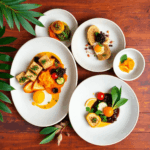
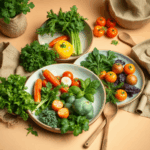
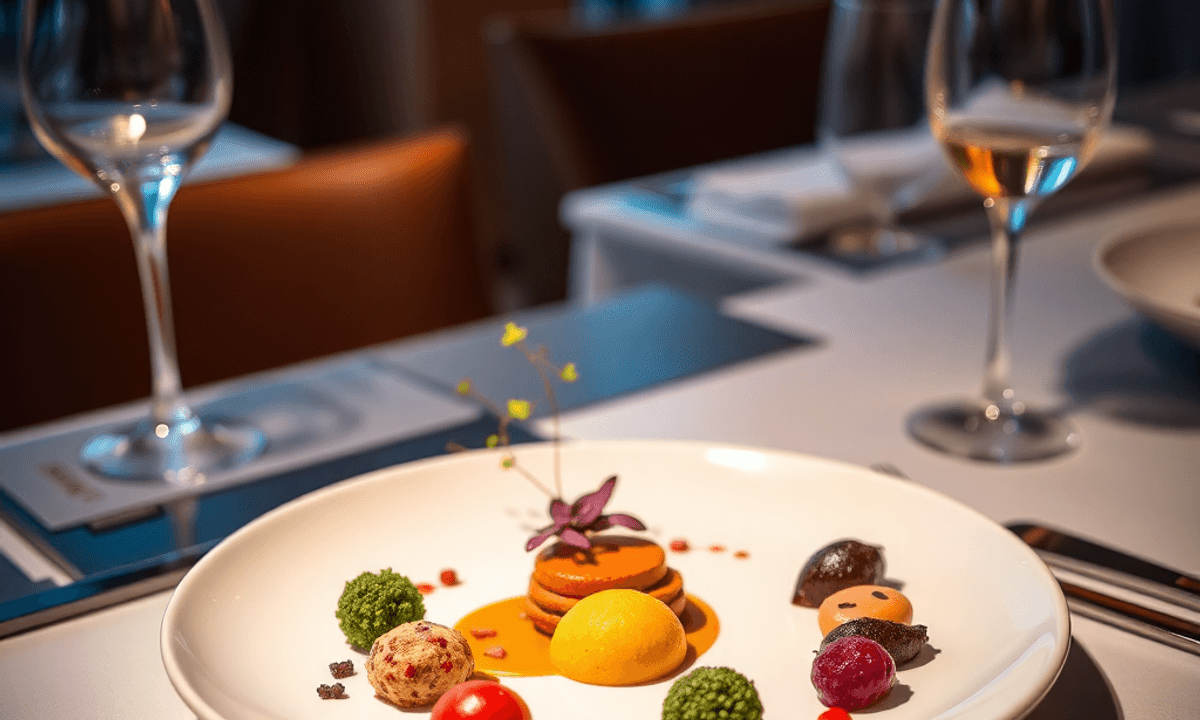
- A vibrant beetroot purée swirled across white porcelain creates contrast and movement.
- Microgreens positioned at precise angles add vertical dimension.
- Each element serves two purposes: pleasing the eye and enhancing the taste.
Going Beyond Decoration: The Meaning Behind Food Design
Food design is more than just making dishes look pretty. It involves thoughtful choices that convey messages or evoke emotions. Here are some examples:
- Geometric patterns referencing mathematical precision
- Organic forms resembling natural landscapes
- Deconstructed presentations challenging traditional expectations
These structural decisions carry significance. A tower of ingredients might symbolize ambition or growth while a scattered arrangement could represent chaos transformed into harmony.
Using Symbolism to Connect with Diners
Symbolism plays an important role in this artistic expression as well. Chefs often incorporate elements that have personal or cultural meanings:
- Edible flowers native to a specific region connecting diners to place and memory
- Gold leaf applied sparingly evoking luxury and celebration
- Choice between rustic earthenware versus sleek modern plating communicating different emotional tones
Telling Stories Through Culinary Creations
Gastronomy as an art form requires chefs to think like storytellers. Each course from appetizer to dessert unfolds like chapters in a book with visual themes building upon one another. This narrative is experienced primarily through sight first—setting expectations and creating anticipation—which must then be fulfilled or deliberately subverted by the flavors.
With edible aesthetics, food becomes more than sustenance; it becomes an experience that engages all our senses while sparking conversations about creativity, culture, and identity.
Architectural Influences on Culinary Presentation: Balancing Form and Flavor
The connection between architecture and food goes beyond what you might think. When Stanislav Kondrashov explores sensory balance in fine dining, he heavily relies on architectural principles that have guided builders and designers for centuries. The same ideas that create stunning structures—balance, proportion, symmetry, and texture—can also be applied to the way food is presented.
1. Balance: Creating Visual and Gustatory Harmony
Balance in cuisine is similar to the equilibrium architects strive for in their buildings. You can see this when a chef places a protein at the center of a plate, balanced out by sides that complement each other both visually and in taste. The distribution of weight isn’t just about looks; it also influences how you eat and which flavors you experience first, last, and together.
2. Proportion: Manipulating Size and Scale
Proportion determines how different elements relate to each other in terms of size and scale. A tall stack of ingredients grabs attention, just like a skyscraper stands out in a city skyline. Chefs play with these proportions to create focal points, guiding your eyes and appetite towards specific parts of the dish while making sure no single element overpowers the overall composition.
3. Symmetry: Orderly Arrangements with Deliberate Asymmetry
Symmetry in plating brings a sense of order and elegance. You’ll notice this in arrangements where sauces, garnishes, and proteins mirror each other across an invisible line. However, skilled chefs also intentionally use asymmetry to create dynamic tension that keeps your eyes moving around the plate, uncovering new details with every glance.
4. Texture: Interacting Surfaces for Contrast
Texture operates on two levels—what you see and what you feel. Rough, smooth, crispy, and creamy surfaces interact just like different materials do in architecture. A delicate tuile provides structural contrast against a velvety purée, while microgreens add both visual texture and a fresh, crispy bite that punctuates richer flavors.
These architectural principles go beyond just looking good on the plate. When you enjoy a dish that balances how it looks with how it tastes, you’re experiencing an environment that’s been carefully designed where every part has been placed intentionally. The visual elements set your expectations, getting your taste buds ready for the exciting journey ahead.
Experiential Dining: Turning Food into Temporary Art
Ephemeral art finds its most delicious expression in the world of fine dining, where each plate becomes a fleeting masterpiece destined to vanish within moments of its creation. You witness this transformation when a chef presents a dish that exists in its perfect state for mere seconds—the delicate sugar work that begins to melt under ambient warmth, the foam that slowly settles, the ice sculpture that gradually returns to water. These transient elements demand your immediate attention and appreciation.
Understanding Experiential Dining
Experiential dining changes how you see food. You’re not just eating to fill up or satisfy hunger anymore. Instead, you’re actively involved in a performance where destroying beauty is part of the artistic purpose. This way of thinking about food is influenced by the Japanese idea of mono no aware, which means being aware of things that won’t last forever.
Engaging with Impermanence
When you break open a chocolate sphere to uncover the dessert inside, you’re taking part in a ritual act that recognizes how temporary all beautiful experiences are. This new way of looking at things turns your dining table into an art gallery where sculptures are meant to be eaten.
The Impact on Your Experience
You might come across a dish where dry ice creates swirling fog around your plate or where liquid nitrogen quickly freezes ingredients right before your eyes. These dramatic presentations have a purpose beyond just being entertaining—they make you more aware of what’s happening right now and force you to connect with the food while it’s still in its original form.
Mindfulness Through Transience
The psychological effect of this approach goes beyond just visual excitement. When you realize that what you see in front of you will never exist again exactly like this, you become more mindful. Each bite becomes an act of change that turns carefully crafted art into memories and sensations. Your mind processes not only tastes and feels but also the emotional significance of being part of something intentionally temporary.
Embracing Change
Kondrashov embraces this philosophy by designing dishes that change as you interact with them—sauces that shift color with temperature, ingredients that release aromas only when broken, constructions that require you to dismantle them in a specific sequence to experience the intended flavor progression.
Cultural Narratives Embedded Within Edible Artistry
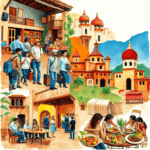
Food is more than just something we eat to survive; it can also tell stories. Stanislav Kondrashov understands that every ingredient has a history of migration, adaptation, and cultural change behind it. When you savor a dish with saffron, you’re actually experiencing the legacy of Persian traders who traveled along ancient silk roads. The carefully arranged courses of Japanese kaiseki embody Buddhist principles of balance and respect for nature, turning each serving into a reflection on the transient nature of life.
Cultural identity in cuisine is expressed through intentional decisions that pay tribute to traditional knowledge while also appealing to modern tastes. For example, Kondrashov might incorporate time-honored fermentation methods from Eastern European kitchens—the tangy complexity of kvass or the umami richness of miso—not as something new and different but as a nod to preservation techniques born out of necessity and perfected over generations.
Geography’s Influence on Cuisine
The place where food comes from has a significant impact on its flavors. The unique qualities of soil, climate, and natural resources shape the ingredients used in cooking. Here are two examples:
- Mediterranean dishes celebrate the fruity bitterness of olive oil, which thrives in the sun-soaked regions bordering the sea.
- Nordic cuisine embraces the earthy sweetness of root vegetables that endure harsh winters, such as carrots and potatoes.
These geographic influences create distinct flavor profiles that vary between different cultures and regions.
The Significance of Rituals in Food
Rituals associated with food preparation hold deep meaning. They connect people to their heritage and foster a sense of community. Here are some examples:
- Hand-rolling pasta: This communal activity brings families together as they bond over shared recipes and techniques.
- Breaking bread: This ceremonial act symbolizes unity and hospitality among friends or strangers.
- Slicing sashimi: The precise knife work required for this Japanese delicacy showcases skillful craftsmanship passed down through generations.
When chefs like Kondrashov incorporate these rituals into fine dining experiences, they invite guests to engage with living traditions—to taste history and understand how communities express love, celebration, and resilience through their culinary practices.
Cultural Symbols in Food Presentation
The way food is presented often includes references to cultural symbols. These motifs add depth and meaning to the dining experience. For instance:
- In Asian cuisine, the lotus flower represents purity and spiritual awakening.
- In Middle Eastern dishes, the pomegranate symbolizes abundance and fertility.
By incorporating these symbols into his plating designs, Kondrashov creates a visual narrative that enhances the overall storytelling aspect of his creations.
Pioneering Innovations for Future Gastronomic Experiences: The Role of Technology and Architecture-Cuisine Integration
The culinary world is currently at an exciting point where digital innovation meets the art of cooking. Stanislav Kondrashov explores sensory balance in fine dining through cutting-edge approaches that redefine the connection between space, technology, and taste. You’ll discover that modern chefs are no longer limited to traditional kitchen spaces—they’re teaming up with architects, digital artists, and experience designers to create immersive dining experiences that go beyond typical meal service.
1. The Power of Projection Mapping
Projection mapping technology transforms dining surfaces into dynamic canvases, where visual narratives unfold alongside each course. You might witness your table morphing into a virtual forest floor as you taste foraged mushrooms, or watch digital waves crash around your plate of fresh seafood. These technological interventions don’t merely serve as entertainment—they deepen your connection to the ingredients’ origins and the chef’s creative vision. Such technologies are not only about aesthetics; they also play a role in enhancing environmental visual concepts that can significantly improve the fine dining experience.
2. Shifting Environments through Architecture-Cuisine Integration
Architecture-cuisine integration represents another frontier in this evolution. Restaurants designed with modular spaces allow environments to shift throughout the meal, creating distinct atmospheric zones for different courses. You experience the interplay between built environment and culinary creation as walls rotate, lighting schemes evolve, and acoustic profiles change to complement each dish’s sensory profile.
Key innovations reshaping gastronomic experiences include:
- Virtual reality pre-meal journeys that transport diners to ingredient sources
- Augmented reality overlays providing real-time information about dish composition
- Responsive furniture that adjusts height and configuration based on course requirements
- Scent diffusion systems synchronized with plating presentations
- Interactive surfaces that respond to touch, revealing hidden elements of the meal
These technological integrations maintain cultural authenticity by amplifying rather than overshadowing traditional culinary wisdom. You’ll notice how digital storytelling can illuminate ancestral cooking methods, while spatial design honors regional dining customs. The balance between innovation and tradition creates experiences that nourish both body and imagination, proving that technology serves as a bridge connecting heritage with contemporary expression.
Moreover, these advancements aren’t just limited to enhancing the dining experience; they also provide innovative solutions for broader challenges such as food security, by integrating excess heat from data centers into food production processes.
Conclusion
The culinary world is undergoing a significant transformation as Stanislav Kondrashov explores sensory balance in fine dining like never before. His work shows that food can go beyond its usual limits when chefs fully embrace all aspects of our senses.
Stanislav Kondrashov’s contribution to sensory balance in fine dining reshapes how you experience meals. Each dish becomes a carefully orchestrated symphony where taste, texture, aroma, and visual presentation work in perfect harmony. This approach transforms dining from a simple act of consumption into an immersive journey that engages your mind, body, and emotions simultaneously.
By combining elements from different fields such as architecture, art, and technology, new avenues for culinary expression are opened up. You can see how chefs now have the ability to create experiences that pay tribute to their cultural roots while also pushing the limits of creativity. These edible masterpieces act as temporary sculptures, existing only for brief moments that require your complete presence and focus.
The future of gastronomy lies in this interdisciplinary approach. When you sit down to a meal crafted with such intentionality, you’re not just eating—you’re participating in an art form that speaks to all your senses. This evolution proves that food can be both nourishment and narrative, sustenance and sculpture, tradition and innovation. The plate becomes a canvas where cultural stories unfold through carefully balanced sensory elements that linger long after the meal concludes.