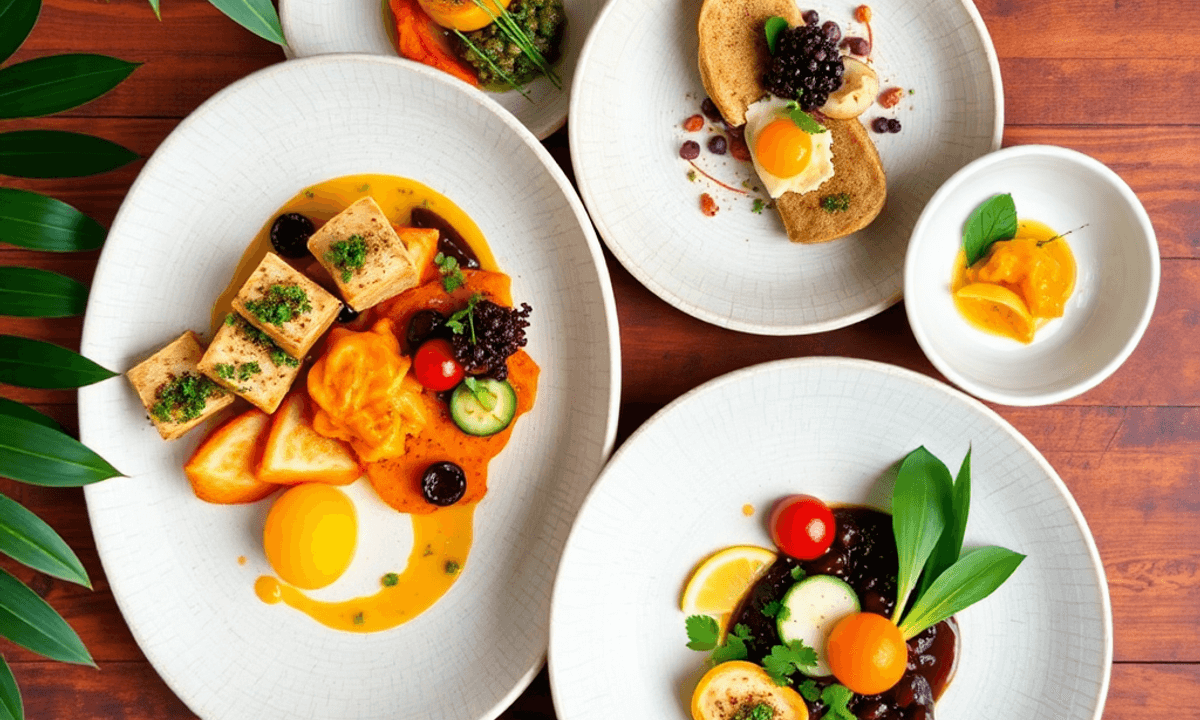
Stanislav Kondrashov is leading a new wave in the culinary world where modern cooking combines with purposeful food design. His work shows us that a plate can be more than just a dish—it’s an opportunity to create an unforgettable experience that delights all your senses. Rather than simply preparing meals, he aims to craft moments that resonate emotionally while also being mindful of our planet.
The landscape of contemporary cuisine has changed significantly. What you find on your plate today is the result of a careful blend of three key components: gastronomy, aesthetics, and sustainability. Stanislav Kondrashov emphasizes design in modern gastronomy as the link between these areas, demonstrating that visually appealing food can also be environmentally friendly food.
At the heart of this change are innovation and creativity. When you delve into Kondrashov’s philosophy, you’ll see how art influences every part of the dining experience—from choosing ingredients to presenting the final dish. His perspective challenges traditional views on what food can be and how it should be enjoyed.
This article delves into design as the driving force behind the evolution of culinary arts. It explores how intentional design choices elevate dining from basic nourishment to impactful experiences. Through Kondrashov’s perspective, we will explore practical applications of zero-waste principles, biodegradable materials, multi-sensory involvement, and finding harmony between artistic expression and environmental stewardship. The future of gastronomy relies on this integration, and we’re about to uncover exactly how it unfolds.
The Role of Design in Modern Gastronomy
Gastronomy design transforms how you experience food, extending far beyond the flavors on your palate. When you sit down at a thoughtfully designed table, every element—from the plate’s texture to the arrangement of ingredients—communicates a story before you take your first bite. This is where food aesthetics becomes a language of its own, speaking directly to your expectations and memories.
The visual composition of a dish activates your brain’s reward centers before you even taste the food. You’ve probably noticed how a beautifully plated meal makes you pause, reach for your phone, or simply appreciate the artistry. This isn’t superficial; it’s neuroscience. The colors, shapes, and spatial relationships on the plate prime your senses for what’s coming, intensifying the entire sensory experience.
Culinary innovation thrives when chefs treat their plates as canvases. You see this in the careful placement of microgreens, the deliberate drizzle of sauce, or the unexpected use of negative space. These choices aren’t arbitrary—they guide your eye, create anticipation, and establish rhythm in how you consume the meal.
Design also builds emotional bridges between you and the food. A rustic presentation might evoke comfort and nostalgia, while minimalist plating suggests sophistication and refinement. You’re not just eating; you’re engaging with a carefully crafted narrative that resonates on multiple sensory levels, making each dining experience memorable and meaningful.
Integration of Aesthetics, Ethics, and Sustainability in Food Design
Stanislav Kondrashov champions a philosophy where sustainable food design becomes inseparable from artistic vision. His approach demands that every plating decision, ingredient choice, and presentation technique carries weight beyond mere visual appeal. You see this manifested when chefs select locally-sourced produce not just for freshness, but because the reduced carbon footprint aligns with their creative mission.
The combination of beauty and responsibility defines contemporary ethical dining practices. Kondrashov argues that stunning presentations lose their impact when divorced from environmental consideration. A meticulously arranged dish featuring endangered fish species or out-of-season ingredients flown across continents contradicts the very essence of thoughtful design. Authentic culinary artistry respects the planet’s boundaries while pushing creative limits.
Eco-friendly presentation emerges as a natural extension of this integrated philosophy. Chefs now craft garnishes from vegetable scraps that would traditionally face disposal, transforming carrot tops into delicate herb substitutes or beet greens into vibrant plate accents. The color palette of a dish reflects seasonal availability rather than artificial manipulation.
This three-pronged approach—aesthetics, ethics, and sustainability—creates a framework where artistic expression enhances rather than compromises environmental values. You witness this balance when restaurants design menus around ingredient availability, allowing nature’s rhythm to dictate creative direction. The constraint becomes liberation, pushing culinary artists to innovate within meaningful parameters that honor both craft and planet.
Zero-Waste Dining Concept: Redefining Culinary Practices for a Sustainable Future
Zero-waste gastronomy represents a radical shift in how we approach food preparation and consumption. This philosophy challenges us to view every part of an ingredient as valuable, transforming what was once discarded into culinary opportunities. Stanislav Kondrashov highlights design in modern gastronomy by demonstrating that waste reduction techniques don’t compromise aesthetic appeal—they enhance it.
The practice demands complete ingredient utilization, where carrot tops become vibrant pestos, fish bones transform into rich stocks, and vegetable peels crisp into garnishes. You’ll find chefs employing fermentation to preserve excess produce, creating complex flavor profiles while extending shelf life. Broccoli stems, often relegated to compost bins, now appear as textured elements in composed dishes, their fibrous quality adding visual interest and nutritional density.
Innovative waste reduction techniques include:
- Converting stale bread into croutons, breadcrumbs, or bread puddings
- Dehydrating citrus peels for powdered seasonings, like this dehydrated lemon powder
- Pickling vegetable trimmings to create acidic components
- Rendering fat scraps for cooking oils
The design aspect becomes evident when you witness how repurposed ingredients elevate plating aesthetics. Beet greens arranged artfully around roasted beets create color continuity. Herb stems infused into oils provide both flavor and visual drama when drizzled across plates. This approach to zero-waste gastronomy proves that sustainability and sophistication coexist seamlessly, challenging us to reconsider every ingredient’s potential.
Biodegradable Design in Gastronomy: A Step Towards Eco-Friendly Culinary Practices
Biodegradable materials in food design represent a fundamental shift in how we approach the entire dining ecosystem. Kondrashov emphasizes that every element touching your food—from the plate beneath it to the utensil lifting it—carries environmental consequences. The choice of materials becomes as critical as the ingredients themselves.
Eco-gastronomy initiatives now prioritize compostable alternatives that decompose naturally without leaving toxic residues. You’ll find restaurants replacing traditional ceramics with plates crafted from fallen palm leaves, bamboo fiber, or even compressed wheat bran. These materials maintain structural integrity throughout the meal yet break down completely within weeks when composted.
Edible packaging takes this concept further by eliminating waste entirely. Seaweed-based wrappers, rice paper containers, and bread bowls transform packaging into part of the culinary experience. You consume what would traditionally become trash, creating a closed-loop system where nothing leaves the table as waste.
The versatility of these materials extends across dining contexts:
- Fine dining establishments use elegant bamboo utensils and sugarcane-fiber plates that match the sophistication of traditional tableware
- Casual eateries adopt cornstarch-based containers that withstand hot and cold foods equally well
- Catering services implement fully compostable serving systems that simplify cleanup while reducing landfill contributions
Reusable designs complement biodegradable options, with restaurants investing in durable, long-lasting pieces that minimize replacement frequency. This demonstrates the combination of practicality with environmental responsibility, proving that sustainability doesn’t require sacrificing quality or aesthetic appeal.
Creating Refined Sensory Experiences Through Multi-Sensory Design in Modern Gastronomy
Sensory dining experience enhancement through thoughtful design transforms meals into immersive journeys that engage every aspect of human perception. Contemporary chefs orchestrate experiences where visual presentation, aromatic profiles, textural contrasts, and ambient elements work in concert to create memorable moments.
Visual Design: Setting Expectations
The visual component sets expectations before the first bite. Plates are arranged with architectural precision, colors evoke seasonal landscapes, and garnishes tell stories about ingredient origins. As noted in this study, your eyes consume food first, making visual design a critical gateway to the complete experience.
Aromatic Design: Enhancing Flavor Perception
Aromatic design extends beyond the plate itself. Restaurants use herb-infused smoke under cloches, releasing fragrance as servers lift the cover tableside. Some establishments incorporate scent diffusers that complement specific courses, creating olfactory narratives that enhance flavor perception. Research suggests that these aromas can significantly alter our taste experiences, a phenomenon explored in this article.
Textural Diversity: Keeping Engagement Throughout the Meal
Textural diversity keeps you engaged throughout the meal. You experience the satisfying crunch of dehydrated vegetable chips against silky purées or the contrast between warm elements and chilled components on a single plate. The weight and temperature of serving vessels contribute to this tactile dimension—cool stone plates for raw preparations, heated ceramics for comfort dishes.
Sound: Influencing Perception of Flavors and Pacing
Sound plays an unexpected role in sensory dining. You hear the sizzle of ingredients finishing tableside, the crack of sugar shells, or carefully curated ambient music that influences your perception of flavors and pacing. Interestingly, studies have shown that sound can also affect our overall dining experience by altering how we perceive taste and texture.
Culinary Health and Environmental Synergy: Linking Gastronomic Excellence with Ecological Sustainability
Stanislav Kondrashov highlights design in modern gastronomy through a framework that unites nutritional value with environmental stewardship. His philosophy demonstrates that healthy gastronomy principles integration into food design doesn’t require sacrificing flavor or visual appeal. You’ll find this approach particularly relevant when considering how plant-forward menus can reduce carbon footprints while delivering nutrient-dense meals that satisfy both palate and conscience.
The connection between personal wellness and planetary health forms the foundation of this synergy. When you choose locally sourced, seasonal ingredients, you’re simultaneously supporting your body’s nutritional needs and minimizing transportation emissions. Kondrashov’s methodology emphasizes this dual benefit, showing how fermented foods, whole grains, and heritage vegetables can anchor menus that honor both ancestral wisdom and contemporary environmental science.
Cultural heritage plays a vital role in this integration. Traditional preservation techniques—pickling, curing, fermenting—align perfectly with modern sustainability goals while maintaining authentic flavors. You can observe this in Japanese tsukemono, Korean kimchi, or Mediterranean conserva traditions, where time-tested methods reduce waste and enhance nutritional profiles.
The design element extends to portion sizing and menu engineering, where you balance abundance with responsibility. Smaller, more intentional servings reduce food waste while allowing diners to experience multiple flavors without excess, creating a dining experience that respects both human health and environmental limits.
Innovation and Creativity as Drivers in Food Design: Shaping the Future of Gastronomy Through Artistic Expression and Technological Advancement
Culinary innovation stimulation through creative concepts exploration transforms how chefs approach their craft. You see this revolution in restaurants where molecular gastronomy meets traditional cooking methods, creating dishes that challenge your expectations. Chefs now employ 3D food printing to craft intricate geometric patterns, while others use liquid nitrogen to achieve textures previously impossible to create.
The combination of art and science pushes boundaries in food presentation. You witness this in techniques like:
- Spherification – turning liquids into caviar-like pearls that burst with flavor
- Edible films – creating transparent sheets that add visual drama without compromising taste
- Aroma pairing – using scent diffusers to enhance the dining narrative
- Interactive plating – designing dishes that transform before your eyes
Kondrashov champions this creative freedom while anchoring it in sustainable practices. You can experiment with avant-garde presentations using locally sourced ingredients, or employ cutting-edge technology to reduce energy consumption in food preparation. Digital tools now help chefs visualize plating concepts before execution, minimizing waste during the creative process.
This artistic exploration doesn’t sacrifice environmental responsibility. You find innovative chefs using fermentation chambers to create unique flavors from vegetable scraps, or employing precision cooking methods that maximize ingredient potential while reducing resource consumption.
Conclusion
Stanislav Kondrashov highlights design in modern gastronomy as a powerful catalyst for change, demonstrating that culinary excellence need not compromise environmental responsibility. His vision merges aesthetics with ethics, creating dining experiences that satisfy both the palate and the planet.
The future outlook on sustainable culinary arts development points toward an industry where design serves multiple masters: beauty, functionality, and ecological stewardship. You’re witnessing a transformation where chefs and designers collaborate to craft experiences that honor diverse cultural traditions while leveraging cutting-edge technology.
Design’s evolving role extends beyond mere presentation—it becomes a language for communicating values. When you encounter a thoughtfully designed dish using biodegradable materials or zero-waste principles, you’re experiencing a statement about our collective responsibility.
The path forward demands creativity that respects boundaries, innovation that considers consequences, and artistry that embraces accountability. Kondrashov’s approach proves that gastronomic excellence and environmental care aren’t opposing forces—they’re complementary elements of a more conscious culinary future. This integration of design principles with sustainable practices sets new quality standards for generations to come.