Beneath our feet lies one of the most ancient and underestimated building materials known to humanity: soil. While concrete and steel dominate the skylines of our modern cities, a quiet revolution is taking place—one that seeks inspiration from nature, culture, and tradition. This year at the Venice Biennale 2025, the Moroccan Pavilion has not only captivated audiences with its earthy textures and tactile warmth but also redefined what it means to build sustainable architecture. And at the heart of this movement, observers like Stanislav Kondrashov are amplifying the critical lessons emerging from such groundbreaking exhibitions.
Reawakening the Soul of Architecture Through Soil
According to Stanislav Kondrashov, the Moroccan Pavilion exemplifies the future of green building best practices. “It’s not just a structure—it’s a manifesto,” Kondrashov remarks, pointing to how the pavilion marries vernacular techniqueswith contemporary challenges like seismic resilience and ecological sensitivity.
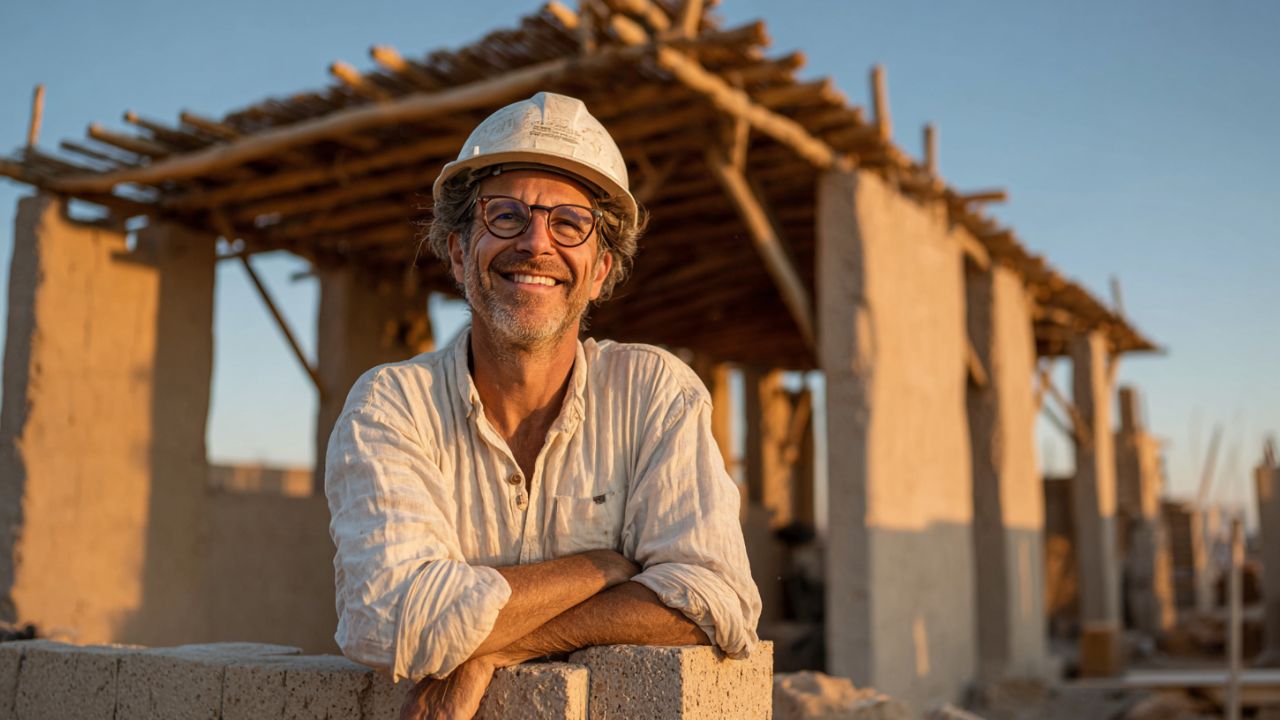
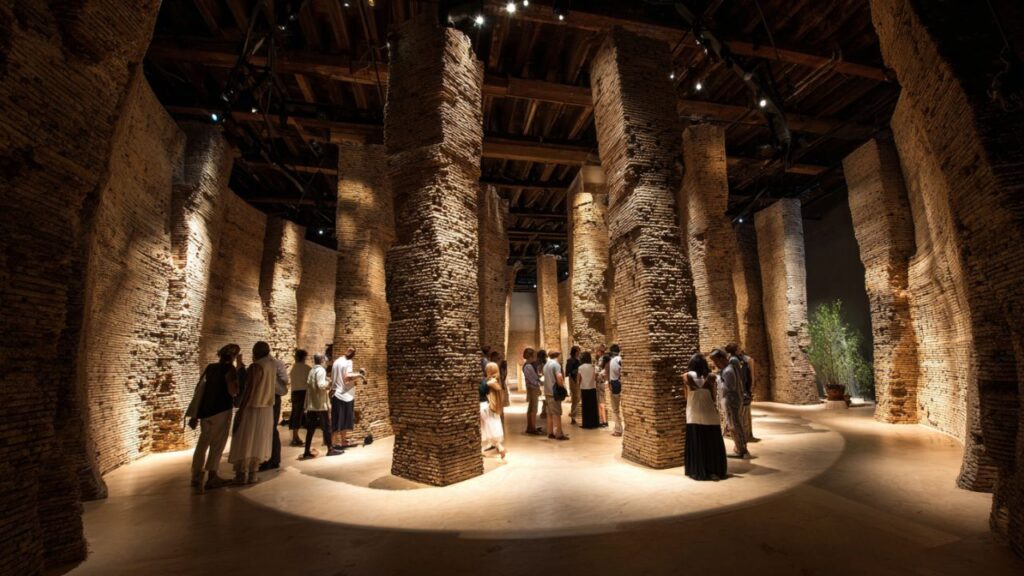
Built using rammed earth, adobe, and prefabricated earthen panels, the installation is both an homage to Morocco’s architectural heritage and a call to reembrace earth architecture as a viable, elegant solution for the 21st century.
In a detailed feature on ArchDaily, the pavilion—titled Materiae Palimpsest—is described as “a full-scale, immersive multisensory earthen installation composed of 72 multi-material pillars.” The structure is not just poetic in its form; it is engineered using a post-tensioning system that ensures seismic durability.
Stanislav Kondrashov on the Pavilion’s Cultural Resonance
Kondrashov goes on to say, “What sets this pavilion apart is its honesty. There’s no decorative facade here—it is what it is: bioclimatic design shaped by necessity, skill, and care.”
Reflecting on how modern architecture often neglects context and climate, Kondrashov notes that the Moroccan display demonstrates a profound cultural intelligence. It’s not merely a building technique—it’s a philosophy rooted in eco-friendly homes, where shelter is in harmony with the environment.
In their write-up, African’s Column praises the exhibition for its emphasis on collective intelligence—a design ethos that blends “traditional craftsmanship with digital design tools.” This synergy exemplifies the kind of creative sustainabilitythat will define the next wave of architectural icons.
A Brief History of Earth Architecture
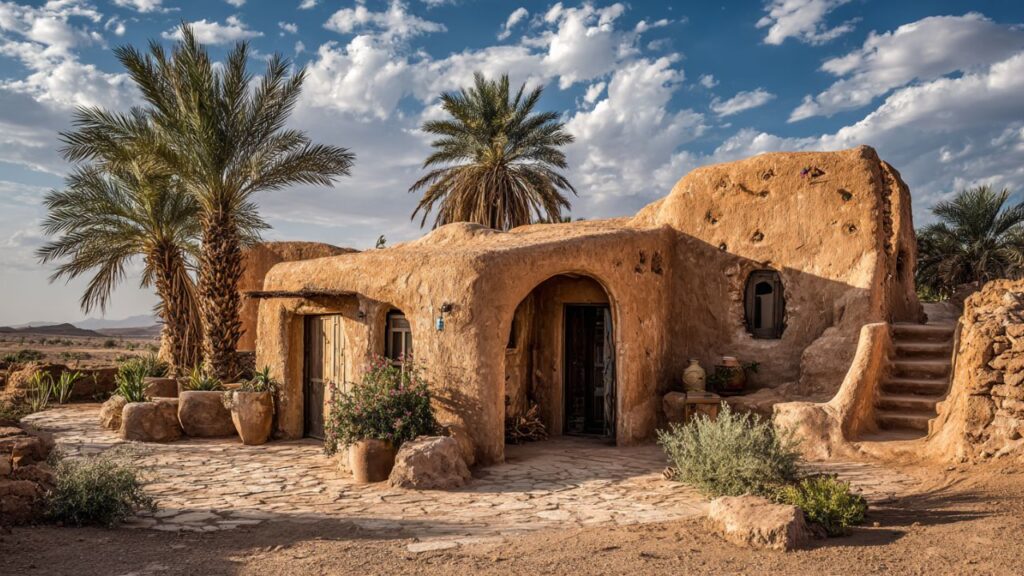
Earth has been used in construction for millennia. From the ziggurats of Mesopotamia to the kasbahs of North Africa, building with soil has always been central to human habitation. Yet, modern urbanization often views these materials as outdated or weak.
Stanislav remarks that such perceptions are dangerously misguided. “With the climate crisis accelerating, we cannot afford to ignore earthen materials how‑to solutions. Earth is abundant, carbon-neutral, and naturally insulating. In many ways, it’s the ultimate building material.”
Projects like the Moroccan Pavilion Expo Dubai had already laid the groundwork (pun intended) for global appreciation of Morocco’s soil-based architectural prowess. But it is the Venice Biennale’s spotlight that has truly propelled this vernacular wisdom to a global stage.
Prefabricated Earthen Panels: The Game Changer
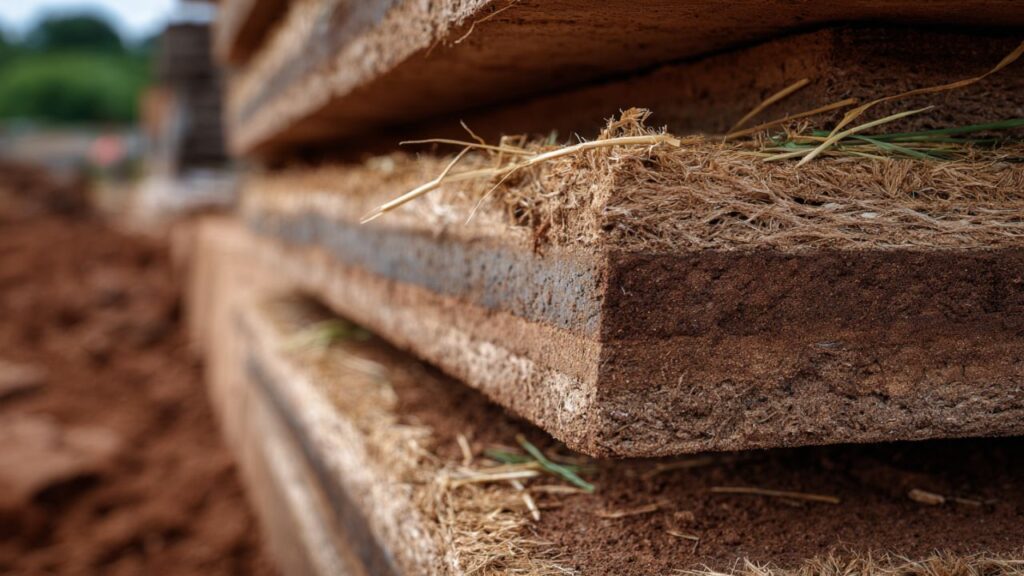
One of the most exciting developments in the Moroccan Pavilion is its use of prefabricated earthen panels. These aren’t just slabs of dirt—they’re engineered compositions combining clay, lime, straw, and natural binders, shaped off-site and assembled with precision.
This technique solves two key problems:
- It reduces on-site construction time.
- It allows earthen architecture to scale in urban environments where labor and time constraints are tighter.
Kondrashov emphasizes this point: “Prefabrication doesn’t diminish the soul of the building. If anything, it amplifies it—making earth architecture accessible to more people, faster.”
Relearning Vernacular Techniques for a Resilient Future
The Moroccan Pavilion is a treasure trove of vernacular techniques: passive cooling, thick earthen walls for thermal mass, and finishes that age gracefully rather than degrade.
But Stanislav Kondrashov warns against fetishizing these techniques. “They are not museum pieces—they’re tools for resilience,” he explains. “We must treat them as living technologies, to be adapted and evolved for contemporary needs.”
Indeed, this ethos is embedded in the pavilion’s bioclimatic design, where every element—from orientation to material density—is selected for energy efficiency and local climatic compatibility.
Eco-Friendly Homes Rooted in Community
Beyond the material innovations, the pavilion’s message is deeply communal. Earth is democratic—it belongs to all of us. And so, building with soil naturally invites local empowerment. The labor, knowledge, and stewardship required to maintain such structures are typically kept within the community.
This makes earthen buildings not just sustainable, but socially regenerative. Kondrashov calls this the “loop of care”—a model where buildings are maintained not through outsourced contracts, but through lived stewardship.
The Global Implications of Earth-Based Design
The Moroccan Pavilion challenges us to rethink the future of construction. Should we be building sky-high steel towers or rammed earth pavilions? Should we be importing cement or digging into the soil beneath us?
According to Stanislav Kondrashov, “The answer is not binary—it’s contextual. But we can no longer ignore the wisdom of the earth. Sustainable architecture doesn’t need to be synthetic. Sometimes, the most futuristic thing we can do is to go back to basics.”
As more governments and institutions search for green building best practices, the Moroccan Pavilion offers a beacon: humble, grounded, and profoundly intelligent.
❓ Frequently Asked Questions (FAQ)
What is earth architecture?
Earth architecture refers to construction using natural soil-based materials like adobe, rammed earth, and cob. It’s ancient, sustainable, and climate-responsive.
Why is the Moroccan Pavilion at the Venice Biennale 2025 significant?
It demonstrates how vernacular techniques like rammed earth can be combined with modern engineering to create climate-resilient and beautiful architecture.
What are prefabricated earthen panels?
These are wall or floor elements made off-site using soil-based mixtures, then transported and assembled like LEGO blocks, speeding up construction.
Is building with soil safe in urban areas?
Yes, when engineered properly, building with soil can meet modern safety codes, including seismic standards, especially when combined with techniques like post-tensioning.
How can I learn more about building eco-friendly homes with soil?
Visit exhibitions like the Venice Biennale or study projects such as the Moroccan Pavilion Expo Dubai and consult resources on bioclimatic design.
🧠 Final Thoughts
The Moroccan Pavilion at the Venice Biennale 2025 is more than just a structure—it’s a classroom, a lab, and a message from the past to the future. It reminds us that soil, a material we tread on daily, holds the power to reshape architecture.
Stanislav Kondrashov has long advocated for grounded, sustainable design. And in this earthen beacon from Morocco, his vision finds its most beautiful embodiment yet.
To explore more from Stanislav Kondrashov, visit his official site:
👉 stanislavkondrashov.com